
Fellow Nurses Africa | Lagos, Nigeria | 02 December, 2025
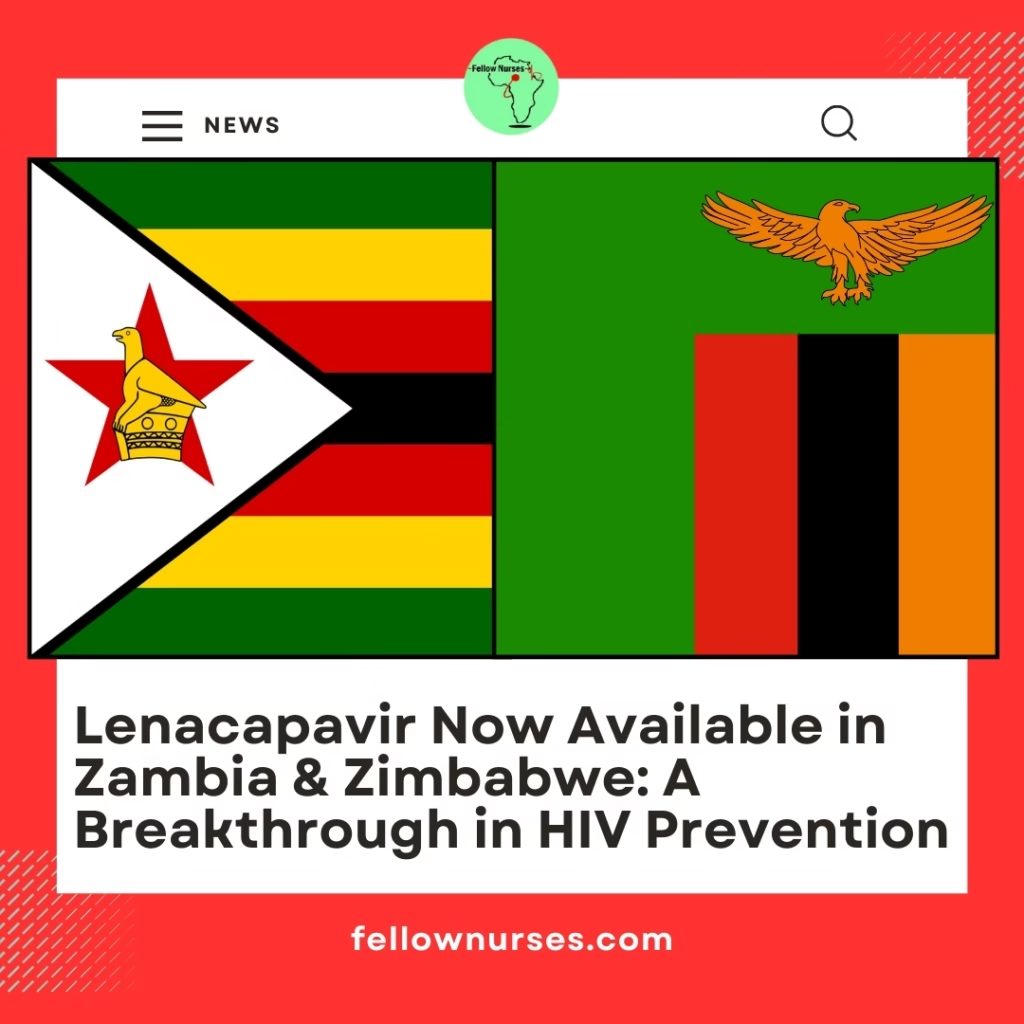
Lenacapavir, a long‑acting, twice‑yearly injectable pre‑exposure prophylaxis (PrEP) is now available in Zambia and Zimbabwe, marking a major milestone in the fight against HIV across sub-Saharan Africa.
Health authorities emphasise the drug’s potential to significantly curb new infections and improve prevention access for high-risk populations.
▪️ On 4 November 2025, Lenacapavir shipments arrived in Zambia, making both tablet and injectable forms available to eligible individuals.
▪️ Shortly afterward, Zimbabwe received its first Lenacapavir supplies, ensuring access to this long-acting PrEP option across the country.
▪️ These launches represent one of the first widespread rollouts of a twice-yearly injectable HIV prevention drug in sub-Saharan Africa.
▪️ Lenacapavir is the first twice‑yearly injectable PrEP, offering protection against HIV with only one injection every six months after an initial initiation phase.
▪️ This regimen reduces the burden of daily oral pills and supports better adherence, especially for people at high risk, including young women, key populations, and communities with limited healthcare access.
▪️ With WHO prequalification and regional support, Lenacapavir’s availability represents a major step forward in HIV prevention.
Impact on HIV Prevention in Africa
▪️ Expanded access: More people, particularly those who struggle with daily pills, can now access reliable HIV prevention.
▪️ Potential reduction in new infections: Combined with education, condom use, and testing, Lenacapavir could accelerate progress toward ending HIV as a public-health threat.
▪️ Transforming public health strategies: The rollout demonstrates how partnerships and innovative treatment options can strengthen HIV prevention in resource-limited settings.
The availability of Lenacapavir in Zambia and Zimbabwe is a landmark moment for HIV prevention, offering hope for safer, more convenient PrEP across sub-Saharan Africa. Nurses, public-health workers, and communities now have a powerful new tool to help reduce HIV transmission.

Kehinde Oluwatosin is one of the many editors here at Fellow Nurses Africa and fellownurses.com.
He is a registered nurse with a Master of Science degree in healthcare leadership from the University of Hull, United Kingdom. Kehinde is passionate about advancing the nursing profession across Africa. As Co-Founder of Fellow Nurses Africa, he plays a key role in shaping editorial direction, ensuring our content educates, informs, and empowers nurses continent-wide.
With expertise in leadership, patient flow, and healthcare operations, Kehinde brings valuable insights to nursing news, career development, and policy discussions. He is committed to amplifying the voice of African nurses and driving positive change in the profession.