
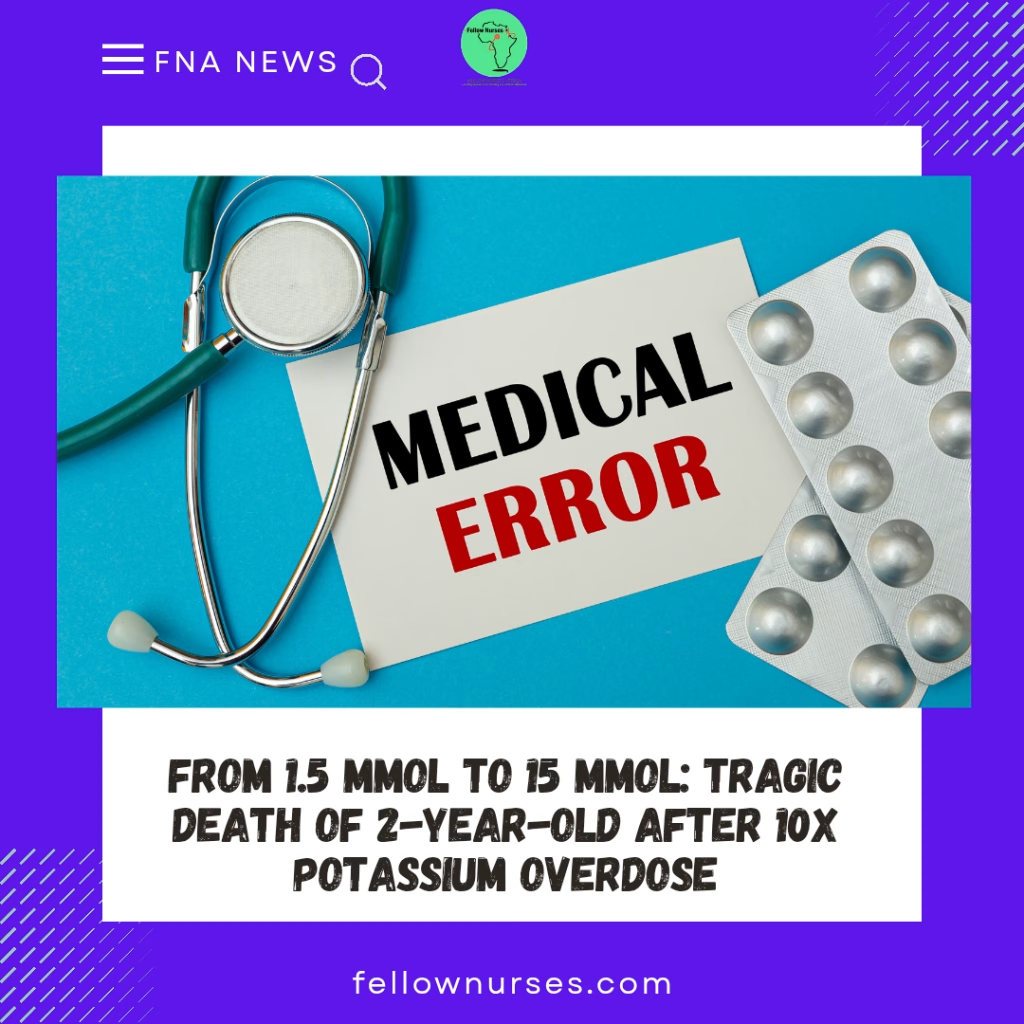
From 1.5 mmol to 15 mmol: The Tragic Death of a Two-Year-Old After a Tenfold Potassium Overdose
A two-year-old boy died after receiving ten times the intended dose of potassium phosphate due to a prescribing error that omitted a decimal point, according to a wrongful death lawsuit filed against a major Florida teaching hospital and several of its staff.
De’Markus Page was admitted to UF Health Shands Children’s Hospital in Gainesville in early March 2024 with symptoms including persistent crying, diarrhoea and reduced appetite. Initial tests at another facility diagnosed viral infections (rhinovirus and enterovirus) and revealed low potassium levels, which were treated with intravenous supplementation before transfer for specialist paediatric care.
👉 Join our Whatsapp channel Here
At UF Health Shands, clinicians identified dangerously low potassium and continued replacement therapy. The lawsuit, filed in November 2025 by his mother Dominique Page in Alachua County Circuit Court, alleges that on the second day a doctor entered an order for oral potassium phosphate at 15 mmol instead of the previously administered and intended 1.5 mmol – a tenfold increase.
The complaint claims the error went undetected despite a pharmacy system alert flagging the high dose. De’Markus reportedly received two consecutive overdoses, leading to severe hyperkalaemia, cardiac arrest (which the suit says was unnoticed for at least 20 minutes), profound hypoxic brain injury and widespread organ damage. He remained on life support for two weeks before it was withdrawn, and he died on 18 March 2024.
The legal action names UF Health Shands, multiple physicians (including the prescribing doctor), pharmacists and other professionals, citing a chain of alleged failures in verification, monitoring and emergency response. The hospital has declined to comment on the ongoing litigation.
Potassium is classified as a high-alert medication, particularly in paediatrics, where small dosing errors can rapidly cause life-threatening arrhythmias or arrest. Decimal-point omissions remain a recognised risk in electronic prescribing systems, often mitigated by independent double-checks, weight-based calculations and real-time alerts.
This case highlights persistent challenges in medication safety, even in advanced healthcare settings. Independent reviews of similar incidents worldwide emphasise the value of multidisciplinary verification protocols, barcode administration and continuous education on electrolyte management to reduce preventable harm.
The family has described profound ongoing grief, with Dominique Page telling local media she received little clear explanation at the time and continues to experience nightmares.
UF Health Shands, a leading academic medical centre affiliated with the University of Florida, has not issued a substantive response beyond noting the pending proceedings.
(This report is based on court filings and contemporaneous media coverage; allegations have not been tested in court.)
We will continue to monitor developments from this story and keep you updated with verified information.
👉 Join our Whatsapp channel Here
Fellow Nurses Africa is the independent voice of African nursing,we educate ,inform and support nurses across Africa

Kehinde Oluwatosin is one of the many editors here at Fellow Nurses Africa and fellownurses.com.
He is a registered nurse with a Master of Science degree in healthcare leadership from the University of Hull, United Kingdom. Kehinde is passionate about advancing the nursing profession across Africa. As Co-Founder of Fellow Nurses Africa, he plays a key role in shaping editorial direction, ensuring our content educates, informs, and empowers nurses continent-wide.
With expertise in leadership, patient flow, and healthcare operations, Kehinde brings valuable insights to nursing news, career development, and policy discussions. He is committed to amplifying the voice of African nurses and driving positive change in the profession.