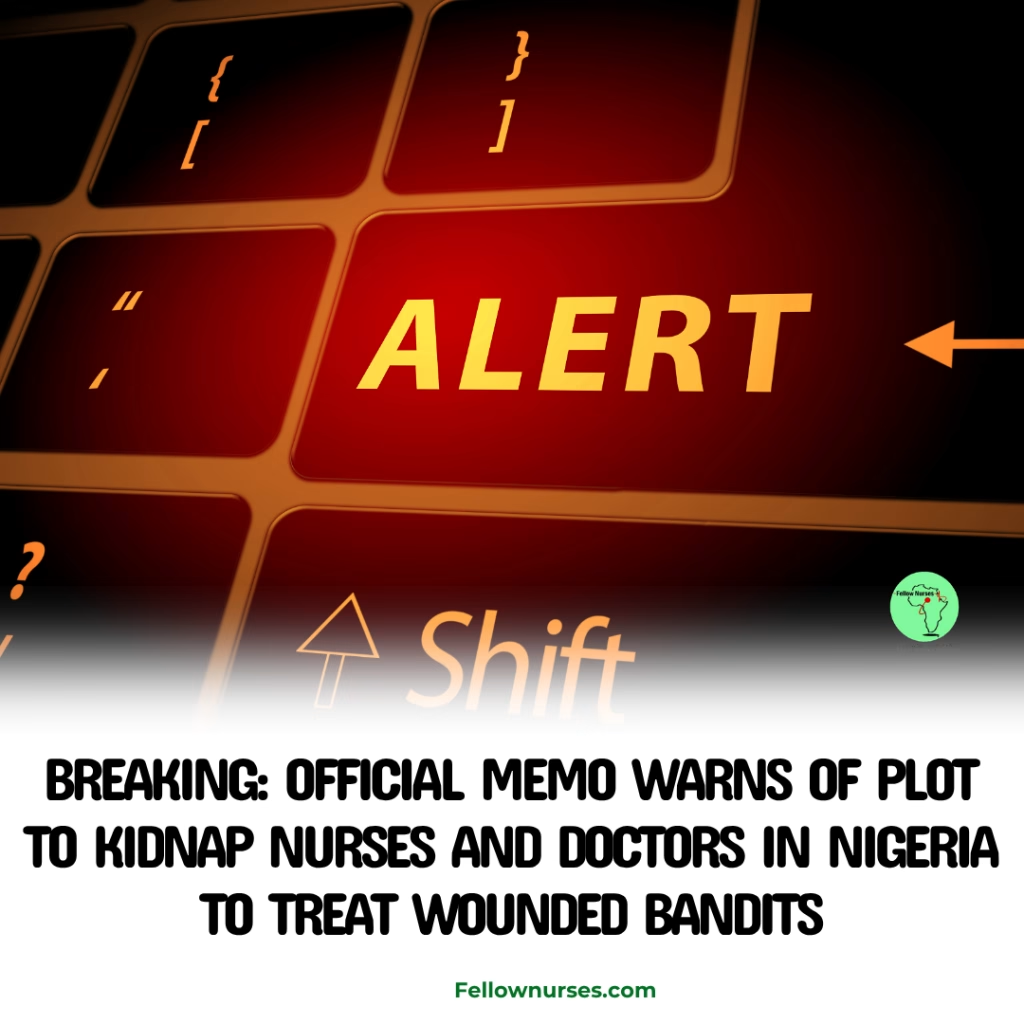
BREAKING: Official Memo Warns of Plot to Kidnap Nurses and Doctors in Nigeria to Treat Wounded Bandits
By Fellow Nurses Africa News Desk Published: April 15, 2026
Jos, Plateau State, Nigeria — An internal security memo from Plateau State Specialist Hospital (PSSH) in Jos has raised alarm over an alleged plot by armed groups to abduct healthcare professionals, including nurses and doctors, in order to force them to treat injured kidnappers.
The memo, dated April 13, 2026, was circulated to hospital departments and staff after intelligence reportedly indicated that terrorist groups and bandits may be planning targeted kidnappings of medical personnel in frontline states, including Plateau State.
According to the document, the plan is believed to be aimed at securing medical treatment for kidnappers who have sustained gunshot wounds and other injuries during clashes with security forces.
👉 Join our Whatsapp channel Here
Hospital management described the development as a significant security concern for healthcare workers, particularly those working in vulnerable areas.
Intelligence Warning to Health Workers
The memo was signed by Jina Leah, Director of Administration, on behalf of the hospital’s Chief Medical Director.
It states that intelligence sources have identified a possible tactical shift among armed groups, who may attempt to abduct trained health professionals instead of seeking treatment in conventional medical facilities.
“Intelligence has uncovered a plan by terrorist groups to kidnap medical practitioners, including doctors, nurses, and auxiliary health workers… to provide treatment for their members who sustained gunshot wounds and other bodily injuries,” the memo stated.
The hospital urged staff members to remain vigilant and adopt stronger personal and workplace security precautions.
Security Measures Introduced
Hospital authorities directed all heads of departments and units to immediately brief their teams and increase awareness about the potential threat.
Healthcare workers were advised to:
- Maintain heightened vigilance within and outside hospital premises
- Report suspicious individuals or unusual movements immediately
- Avoid unnecessary exposure to high-risk environments or isolated locations
- Cooperate with security agencies when concerns arise
The memo emphasised that the advisory is preventive in nature, intended to protect staff amid ongoing security challenges in parts of northern Nigeria.
Growing Risks for Healthcare Workers
The warning comes at a time when kidnappings and attacks by armed groups remain a serious concern in several Nigerian states.
Security analysts say professionals such as health workers, teachers and humanitarian staff can become targets because of their perceived value to criminal groups.
In conflict settings, armed groups have previously attempted to coerce medical professionals into treating injured kidnappers, often under threat.
Healthcare advocates warn that such developments can discourage medical professionals from working in already underserved regions, worsening existing shortages of skilled health personnel.
Impact on Healthcare Services
Nigeria’s healthcare system already faces significant workforce challenges, including migration of nurses and doctors abroad and limited staffing in rural facilities.
Experts say any increase in security threats against health workers could further weaken healthcare delivery, especially in areas where medical staff are already stretched thin.
Ensuring the safety of medical personnel, they argue, is critical for maintaining continuous access to emergency and essential health services.
Advocacy for Protection of Health Workers
Fellow Nurses Africa, a nursing advocacy and professional development organisation, has condemned the alleged plot and expressed solidarity with healthcare workers in Plateau State and other high-risk areas.
👉 Join our Whatsapp channel Here
The organisation called for urgent action from government authorities and security agencies to strengthen protection around hospitals and healthcare personnel.
Healthcare facilities, it said, should be treated as critical infrastructure, particularly in regions facing security challenges.
Calls for Government Action
Stakeholders are urging authorities to take immediate steps to safeguard medical professionals, including:
- Increasing security presence around hospitals and health centres
- Establishing rapid response channels between hospitals and law enforcement
- Providing security awareness training for healthcare workers
- Strengthening intelligence monitoring around health facilities
Health professionals play a vital role in supporting communities during crises, and advocates say their safety must remain a national priority.
Situation Still Developing
At the time of reporting, there has been no confirmed case directly linked to the intelligence warning, but hospital authorities say the alert should be treated with seriousness.
Healthcare workers across Plateau State and neighbouring regions are being encouraged to remain alert and share safety information within professional networks.
Fellow Nurses Africa News Desk will continue to monitor the situation and provide updates as more information becomes available.
👉 Join our Whatsapp channel Here
Fellow Nurses Africa is the independent voice of African nursing, we educate, inform and support nurses across Africa

Charles Wealth is an accomplished healthcare administrator with decades of hands-on experience across various healthcare organizations in Nigeria and beyond. Known for his strategic leadership, operational excellence, and deep commitment to advancing the nursing profession, Charles brings a wealth of expertise to healthcare management, policy, and professional development.
As a co-founder and Editor at Fellow Nurses Africa, he plays a pivotal role in shaping content that educates, inspires, and unites nurses across the continent. His editorial vision focuses on amplifying the voices of nurses, highlighting best practices, addressing contemporary challenges in healthcare, and promoting professional growth within the nursing community.
With a strong background in healthcare administration, Charles is passionate about bridging the gap between clinical practice and effective leadership. He continues to contribute significantly to the development of robust healthcare systems and the empowerment of nurses through knowledge sharing and advocacy.