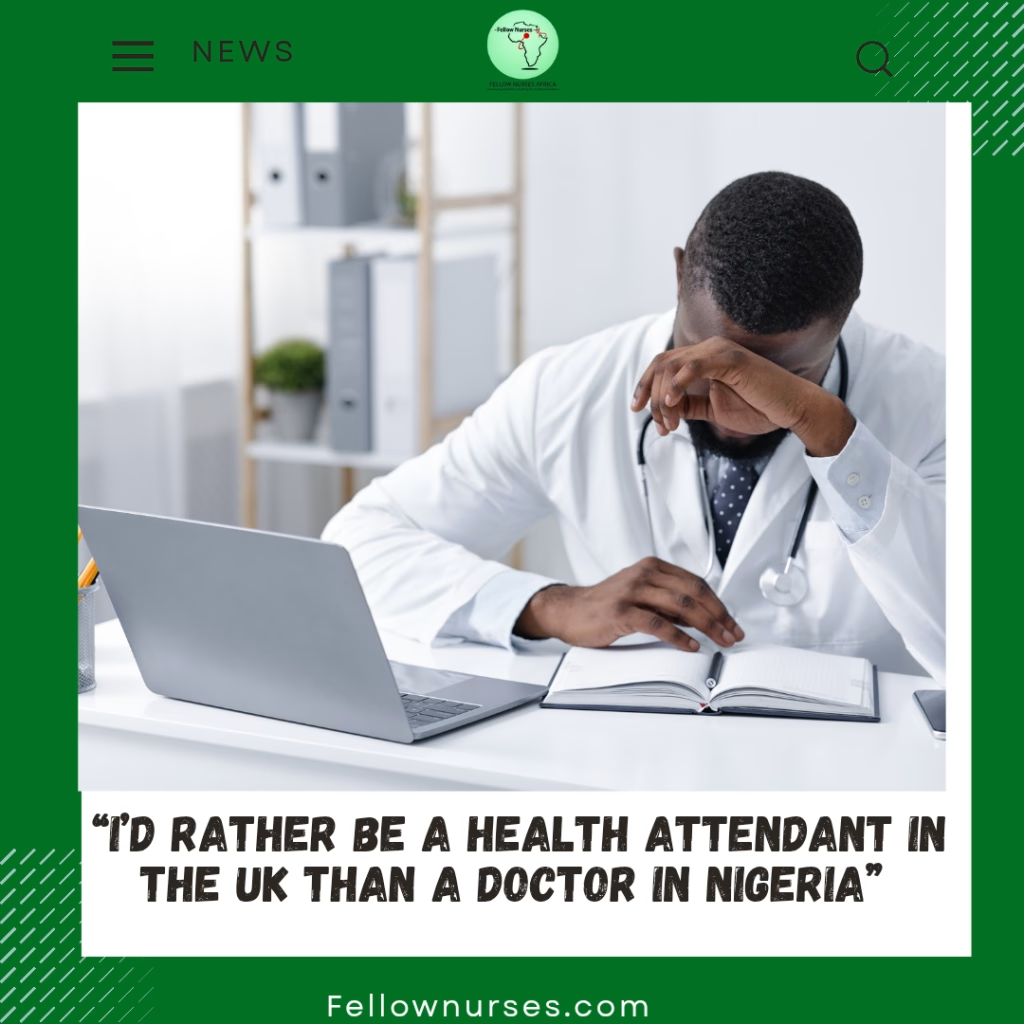
“I’d Rather Be a Health Assistant in the UK Than a Doctor in Nigeria” – Nigerian Doctor’s Viral Outcry
Lagos, Nigeria – 14 April 2026
A Nigerian medical doctor has sparked widespread debate after a candid social media post revealed the depth of frustration within the country’s healthcare sector.
In a post that has now been viewed more than 58,000 times on X (formerly Twitter), Dr Ajibade (@reachdrajibade) wrote:
“I would rather be an Uber driver in Canada or Health assistant in UK than a Doctor in Nigeria. This is how much Nigeria has broken me.”
👉 Join our Whatsapp channel Here
The statement, posted on 13 April 2026, has triggered hundreds of reactions from fellow healthcare professionals, many echoing similar sentiments of burnout, poor remuneration and crumbling infrastructure.
A symptom of a wider crisis
Dr Ajibade’s words reflect a growing reality for many Nigerian doctors and nurses. Recent data show that thousands of healthcare workers continue to leave the country each year in search of better working conditions and pay.
Nigeria currently has roughly 2.9 to 4 doctors per 10,000 people – far below the World Health Organization’s recommended minimum. In the past year alone, thousands more physicians requested certificates of good standing to practise abroad, while the National Association of Resident Doctors has warned of a potential loss of another 15,000 doctors over the next decade if current trends continue.
Many doctors report earning between ₦150,000 and ₦600,000 per month, often requiring multiple jobs to make ends meet. Broken equipment, chronic understaffing and inadequate funding compound the daily pressures.
Nurses share the same struggles
As a platform dedicated to amplifying the voices of nurses across Africa, Fellow Nurses Africa recognises that this is not an isolated doctor’s story. Nigerian nurses face parallel challenges: similar low pay, unsafe workloads and the emotional toll of delivering care in under-resourced settings.
In recent years, over 42,000 Nigerian-trained nurses have emigrated, many heading to the UK. The “Japa” phenomenon – the mass exodus of skilled professionals is depleting frontline teams and threatening patient safety at home.
👉 Join our Whatsapp channel Here
One healthcare worker replying to Dr Ajibade captured the collective sentiment:
“The day healthcare workers in Nigeria come together, collaborate, and stand united rather than working against each other is the day the government will begin to take them seriously.”
Expert insight and the path forward
From an advocacy perspective, the solution lies in systemic reform rather than individual exit strategies. Improved remuneration, functional infrastructure, safe staffing levels and genuine respect for frontline workers are no longer optional, they are urgent necessities.
Fellow Nurses Africa has consistently called for:
- Competitive salaries that reflect the risks and responsibilities of the profession
- Investment in modern equipment and reliable supplies
- Policies that prioritise retention of skilled health workers
- Stronger collaboration between doctors, nurses and midwives to present a united front
Without these changes, the brain drain will accelerate, leaving Nigeria’s already strained health system in even greater peril.
Dr Ajibade’s post is a wake-up call. It is not merely one professional’s despair, it is the collective cry of a workforce pushed to its limits.
Fellow Nurses Africa stands in solidarity with every doctor, nurse and midwife who feels broken by the system. Your service matters. The time for meaningful change is now.
What are your thoughts? Share this article and join the conversation below. Together, we can push for the healthcare system Nigeria deserves.
👉 Join our Whatsapp channel Here
Fellow Nurses Africa is the independent voice of African nursing, we educate, inform and support nurses across Africa

Charles Wealth is an accomplished healthcare administrator with decades of hands-on experience across various healthcare organizations in Nigeria and beyond. Known for his strategic leadership, operational excellence, and deep commitment to advancing the nursing profession, Charles brings a wealth of expertise to healthcare management, policy, and professional development.
As a co-founder and Editor at Fellow Nurses Africa, he plays a pivotal role in shaping content that educates, inspires, and unites nurses across the continent. His editorial vision focuses on amplifying the voices of nurses, highlighting best practices, addressing contemporary challenges in healthcare, and promoting professional growth within the nursing community.
With a strong background in healthcare administration, Charles is passionate about bridging the gap between clinical practice and effective leadership. He continues to contribute significantly to the development of robust healthcare systems and the empowerment of nurses through knowledge sharing and advocacy.