
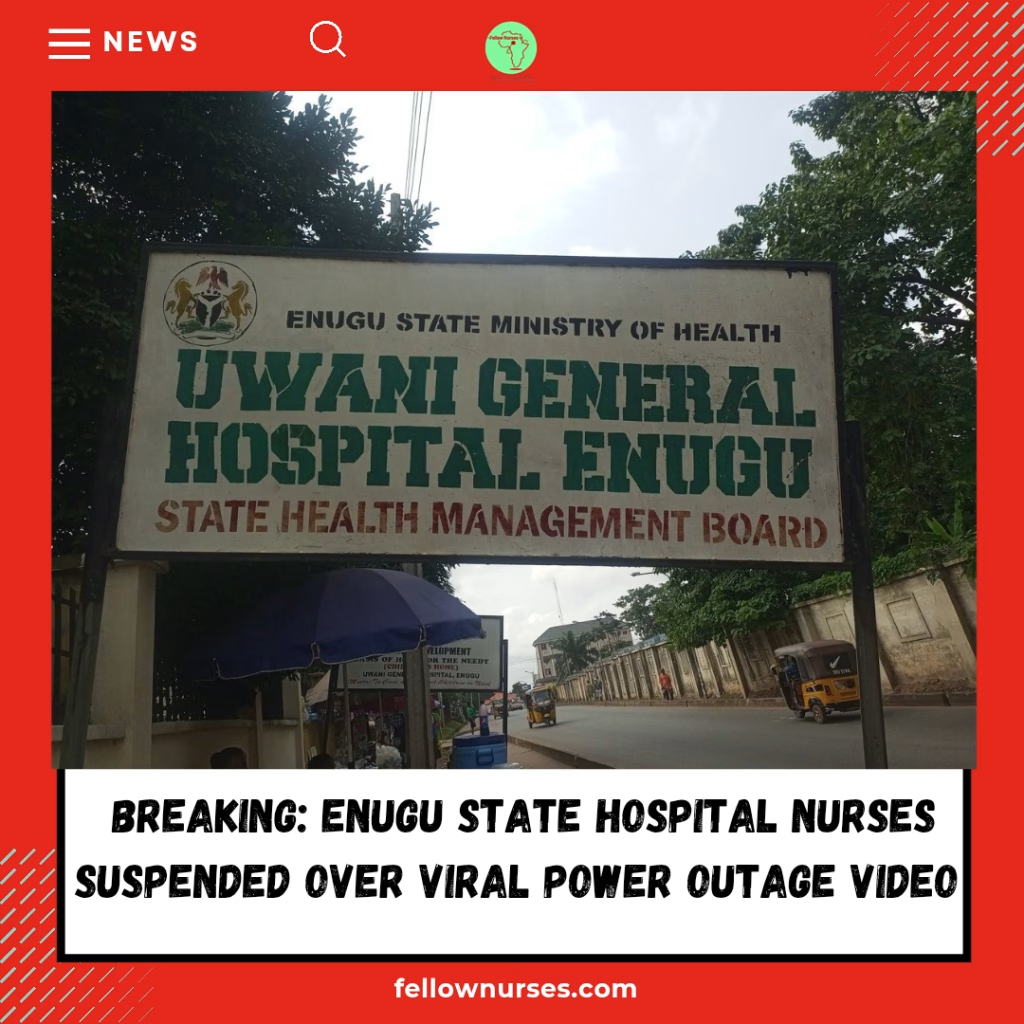
Breaking: Enugu State Hospital Nurses Suspended After Viral Outcry Over Power Outages and Poor Facilities
Enugu, Nigeria – 2 April 2026 — Two nurses at Uwani General Hospital in Enugu have been placed on indefinite suspension after a video they recorded during a night shift went viral, highlighting severe infrastructure failures that compromised patient care.
👉 Join our Whatsapp channel Here
In the footage, which spread rapidly across social media platforms in late March 2026, the nurses described working without electricity, running water, or oxygen supply. They used mobile phone torches to navigate the wards and raised particular concern for a woman in labour, noting the risks of delivering without adequate lighting or emergency support. The video also showed a dirty environment, mosquito infestations, and general disrepair, including leaking roofs.
What happened
Uwani General Hospital, a key public health facility serving residents of Enugu South and surrounding areas, has long faced challenges common to many government hospitals in Nigeria, including unreliable power and inadequate basic amenities. The nurses’ appeal for urgent government intervention drew widespread attention and public sympathy.
Following the video’s circulation, the Enugu State Government reportedly issued a query to hospital management. Reports indicate that electricity and water supplies were subsequently restored. However, the two nurses who featured in the clip say they received indefinite suspension orders and were instructed not to resume duties.
This sequence — public exposure of problems, partial remedial action, followed by disciplinary measures against the staff who spoke out — has triggered fresh debate about accountability and whistleblower protection in Nigeria’s public health sector.
Expert insight and analysis
Healthcare professionals and public health advocates argue that frontline workers play a vital role in identifying systemic gaps that affect patient safety. In resource-constrained settings, speaking up about deficiencies such as power outages during night shifts or lack of oxygen can be a life-saving act rather than an act of indiscipline.
“Punishing nurses for highlighting conditions that directly endanger lives risks creating a culture of silence,” said a senior nursing educator who asked not to be named due to the sensitivity of the matter.
“Patient safety must come first. Sustainable improvements require open reporting channels, not reprisals.”
Nigeria’s public hospitals have struggled with chronic underfunding, erratic electricity supply (often reliant on generators that may not always be available or affordable), and maintenance issues. These challenges are particularly acute at night when most administrative oversight is absent. Incidents like this at Uwani General Hospital reflect broader national concerns about the state of primary and secondary healthcare infrastructure.
Calls for resolution
Many voices on social media and within the nursing community have urged the Enugu State Government and hospital authorities to lift the suspension immediately and focus on long-term solutions. These include reliable power backup systems, consistent water supply, improved sanitation, and regular infrastructure audits.
Advocates emphasise that protecting healthcare workers who raise genuine concerns strengthens the entire system and builds public trust. Transparent investigations into the hospital’s management practices, coupled with measurable investments in essential services, would demonstrate commitment to quality care.
As of 2 April 2026, neither the Enugu State Government nor Uwani General Hospital management has issued a detailed public statement addressing the suspension or outlining permanent fixes. The story continues to generate discussion online, with many calling for swift reinstatement of the affected nurses and urgent upgrades to prevent recurrence.
This case underscores the difficult balance between operational discipline and the ethical duty of health workers to advocate for safe patient environments. Further updates will be provided as the situation develops.
Why this matters
Reliable basic infrastructure in hospitals is not a luxury — it is a fundamental requirement for safe, effective care. When nurses cannot see to monitor patients, access clean water for hygiene, or provide oxygen in emergencies, lives are placed at unnecessary risk. Addressing such issues transparently benefits everyone: patients, staff, and the wider community.
👉 Join our Whatsapp channel Here
Fellow Nurses Africa is the independent voice of African nursing, we educate, inform and support nurses across Africa

Charles Wealth is an accomplished healthcare administrator with decades of hands-on experience across various healthcare organizations in Nigeria and beyond. Known for his strategic leadership, operational excellence, and deep commitment to advancing the nursing profession, Charles brings a wealth of expertise to healthcare management, policy, and professional development.
As a co-founder and Editor at Fellow Nurses Africa, he plays a pivotal role in shaping content that educates, inspires, and unites nurses across the continent. His editorial vision focuses on amplifying the voices of nurses, highlighting best practices, addressing contemporary challenges in healthcare, and promoting professional growth within the nursing community.
With a strong background in healthcare administration, Charles is passionate about bridging the gap between clinical practice and effective leadership. He continues to contribute significantly to the development of robust healthcare systems and the empowerment of nurses through knowledge sharing and advocacy.