
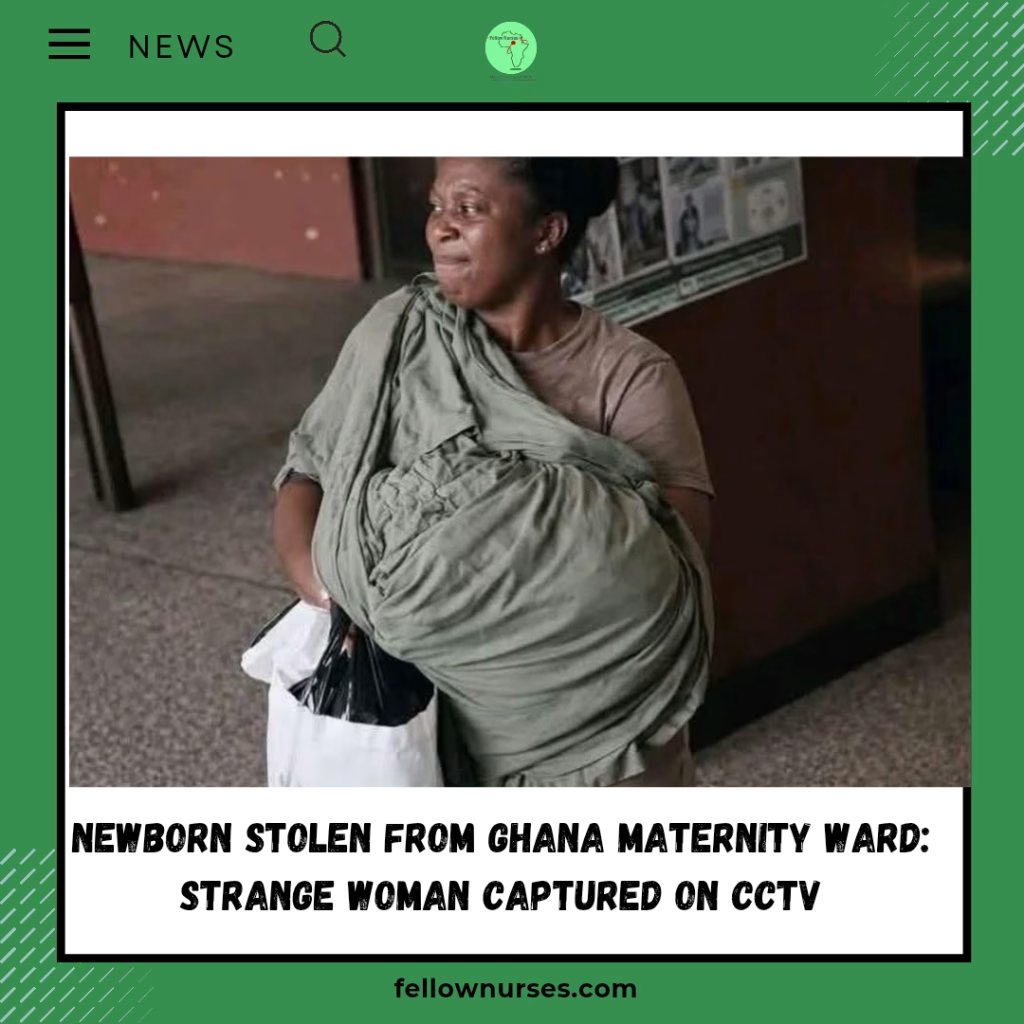
Newborn Stolen from Ghana Maternity Ward: Strange Woman Captured on CCTV
A newborn baby was stolen from the maternity ward of Mamprobi Polyclinic in Accra, Ghana, on 17 February 2026, in an incident captured on CCTV by a woman described in reports as a “strange woman” dressed in nurse-like attire.
The theft took place shortly after the mother, identified as Precious Ankoma (also known as Abena), gave birth by caesarean section. CCTV footage, widely circulated on social media and referenced by major Ghanaian outlets including CitiNewsroom, MyJoyOnline and GhanaWeb, shows the woman carrying the bundled infant — wrapped in cloth — out of the facility. Witnesses reported that she left quickly, with some accounts suggesting she departed on a waiting motorbike.
The disappearance caused immediate tension at the polyclinic. Relatives of the mother confronted nursing staff and other personnel over perceived security lapses, leading to a disturbance that required police intervention to restore calm. Videos from the scene captured the emotional exchanges, reflecting the deep distress felt by the family.
Ghana Police Service launched a swift investigation. In a positive development confirmed on 18 February 2026 by credible sources including CitiNewsroom and MyJoyOnline, the suspect was arrested and the newborn was safely recovered. The infant has been reunited with the mother and is receiving medical checks at Mamprobi Polyclinic to ensure full well-being. The suspect is now in custody, assisting with investigations.
Authorities have urged the public to continue reporting any additional information through official channels and have cautioned against vigilantism to protect all parties involved.
From a nursing and midwifery perspective, this incident highlights persistent vulnerabilities in maternity and newborn security across many public health facilities in Ghana. With years of frontline experience in postnatal care, we know that robust, multi-layered safeguards are essential: mandatory visitor registration and photo ID verification, real-time CCTV monitoring with dedicated oversight, electronic newborn tagging or wristband systems, restricted access to delivery and postnatal areas, and regular abduction-prevention training for all staff.
We strongly advocate for immediate national policy action — including updated guidelines from the Ghana Health Service, increased investment in surveillance technology, and clear accountability frameworks for hospital management. Such measures would not only prevent future tragedies but also rebuild public confidence in maternal healthcare services, especially in busy urban polyclinics where staffing pressures are common.
This case also demonstrates the value of rapid community and police collaboration, which led to the baby’s safe return within hours. The Gender Minister, Dr Agnes Naa Momo Lartey, has urged calm and commended the polyclinic’s overall maternal health record while calling for strengthened systems.
This remains a developing story. For the latest confirmed information, refer to official statements from the Ghana Police Service or reputable media outlets.
Fellow Nurses Africa is the independent voice of African nursing, we educate, inform and support nurses across Africa

Kehinde Oluwatosin is one of the many editors here at Fellow Nurses Africa and fellownurses.com.
He is a registered nurse with a Master of Science degree in healthcare leadership from the University of Hull, United Kingdom. Kehinde is passionate about advancing the nursing profession across Africa. As Co-Founder of Fellow Nurses Africa, he plays a key role in shaping editorial direction, ensuring our content educates, informs, and empowers nurses continent-wide.
With expertise in leadership, patient flow, and healthcare operations, Kehinde brings valuable insights to nursing news, career development, and policy discussions. He is committed to amplifying the voice of African nurses and driving positive change in the profession.