
Fellow Nurses Africa | Lagos, Nigeria | 13 December, 2025
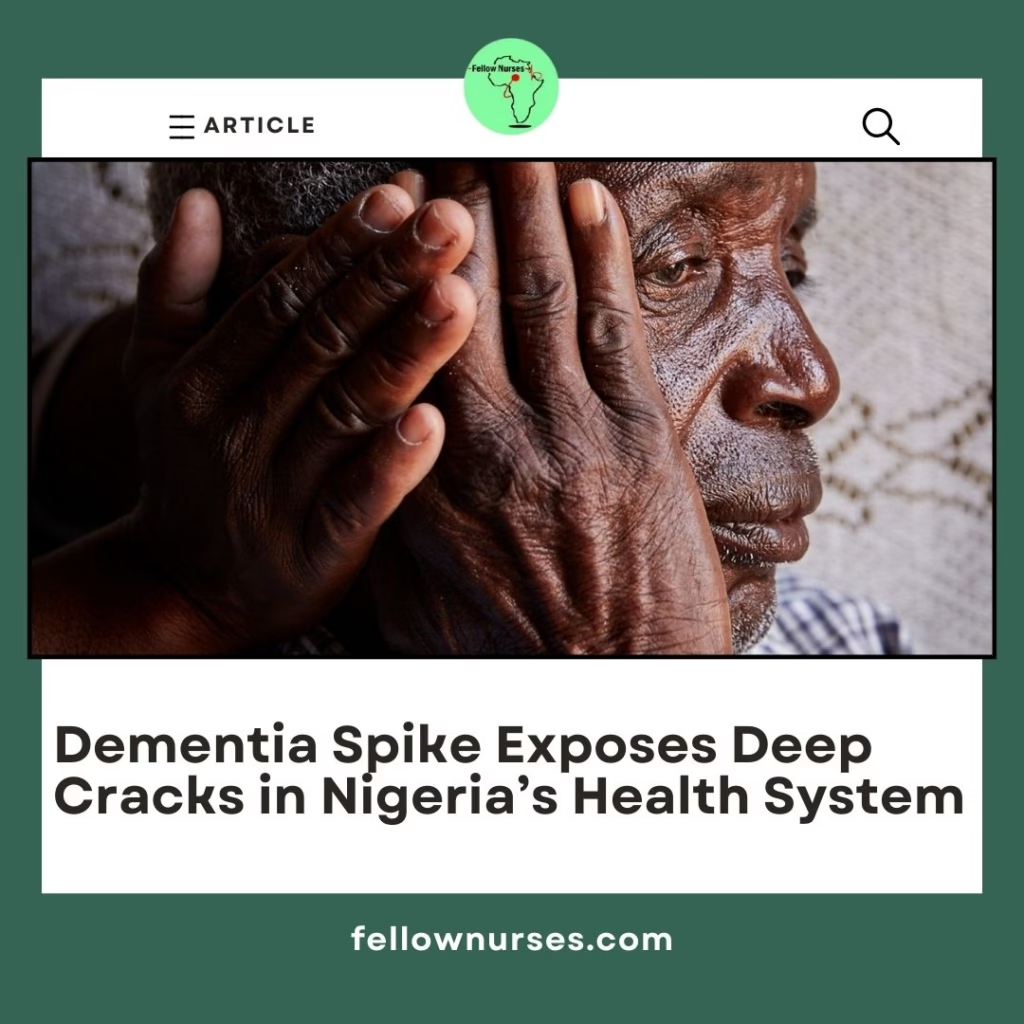
Nigeria’s growing dementia burden is doing more than revealing a medical problem. It is exposing long-standing weaknesses in how the country plans for ageing, chronic illness, and long-term care.
As more Nigerians live longer, conditions once considered rare are becoming common. Dementia, a group of disorders that affect memory, thinking, behaviour, and independence is now emerging as a significant public health concern. Yet Nigeria’s health system remains largely unprepared.
Dementia Is Widely Misunderstood
In many Nigerian communities, dementia is not recognised as a medical condition.
Early signs such as memory loss, confusion, disorientation, or personality changes are often explained away as normal ageing or interpreted through cultural or spiritual lenses. This misunderstanding delays care and allows symptoms to worsen before medical attention is sought.
The result is a large number of undiagnosed or late-diagnosed cases, making accurate national data difficult to obtain and effective planning even harder.
Primary Health Care Is Not Designed for Cognitive Care
Nigeria’s primary health centres serve as the backbone of healthcare access, particularly for older adults. However, dementia screening is rarely integrated into routine care.
Many frontline health workers receive limited training in recognising cognitive decline, and there are few clear referral pathways for suspected cases. Without early detection, patients often enter the health system during emergencies rather than through preventive care.
This reactive approach increases healthcare costs and places additional pressure on already overstretched facilities.
A Health Workforce Gap
Dementia care requires specialised skills, but Nigeria faces a critical shortage of trained professionals.
Geriatricians, neurologists, psychiatrists, and mental health nurses are few, and specialised dementia services are concentrated in urban tertiary hospitals. Rural and semi-urban communities are often left without access to expertise or diagnostic support.
This imbalance highlights a broader challenge: Nigeria’s health workforce planning has historically prioritised acute and infectious diseases, leaving chronic and age-related conditions under-resourced.
Families as the Default Care System
In the absence of formal long-term care structures, families have become Nigeria’s default dementia care providers.
Relatives often manage daily care, safety, feeding, hygiene, and behavioural changes without training or financial support. This unpaid labour frequently leads to emotional strain, lost income, and caregiver burnout.
While informal caregiving reflects strong family structures, experts warn that it is not sustainable as dementia cases continue to rise.
Stigma and Social Exclusion
Cultural stigma remains a major barrier to care.
In some cases, people living with dementia face social isolation, neglect, or mistreatment. Families may avoid seeking help out of fear of judgment or misunderstanding.
Public health advocates stress that stigma reduction is not optional, it is central to improving early diagnosis, treatment, and quality of life.
Policy Silence on Dementia
Despite the growing burden, Nigeria does not yet have a comprehensive national dementia policy.
There is no coordinated national framework for prevention, diagnosis, caregiver support, or long-term care planning. Dementia services also receive limited coverage under health insurance schemes, leaving most costs to households.
This policy gap means dementia remains under-prioritised in health budgeting and social protection planning.
Why Dementia Matters Beyond Health
Dementia is not just a health issue. It intersects with:
-
Social welfare and elder protection
-
Disability rights
-
Workforce productivity and family economics
-
Long-term sustainability of healthcare systems
Experts argue that how Nigeria responds to dementia will shape its readiness for an ageing population and its commitment to inclusive, people-centred care.
A Moment for Reform
Health stakeholders say the rising dementia burden should prompt system-wide reform, including:
-Integrating cognitive screening into primary care
-
Expanding training for nurses and community health workers
-
Supporting family caregivers
-
Investing in community-based and home-care services
-
Developing a national dementia policy and data framework
Handled well, dementia care could become a pathway to strengthening Nigeria’s health and social systems. Ignored, it risks becoming a growing humanitarian and economic challenge.

Kehinde Oluwatosin is one of the many editors here at Fellow Nurses Africa and fellownurses.com.
He is a registered nurse with a Master of Science degree in healthcare leadership from the University of Hull, United Kingdom. Kehinde is passionate about advancing the nursing profession across Africa. As Co-Founder of Fellow Nurses Africa, he plays a key role in shaping editorial direction, ensuring our content educates, informs, and empowers nurses continent-wide.
With expertise in leadership, patient flow, and healthcare operations, Kehinde brings valuable insights to nursing news, career development, and policy discussions. He is committed to amplifying the voice of African nurses and driving positive change in the profession.