
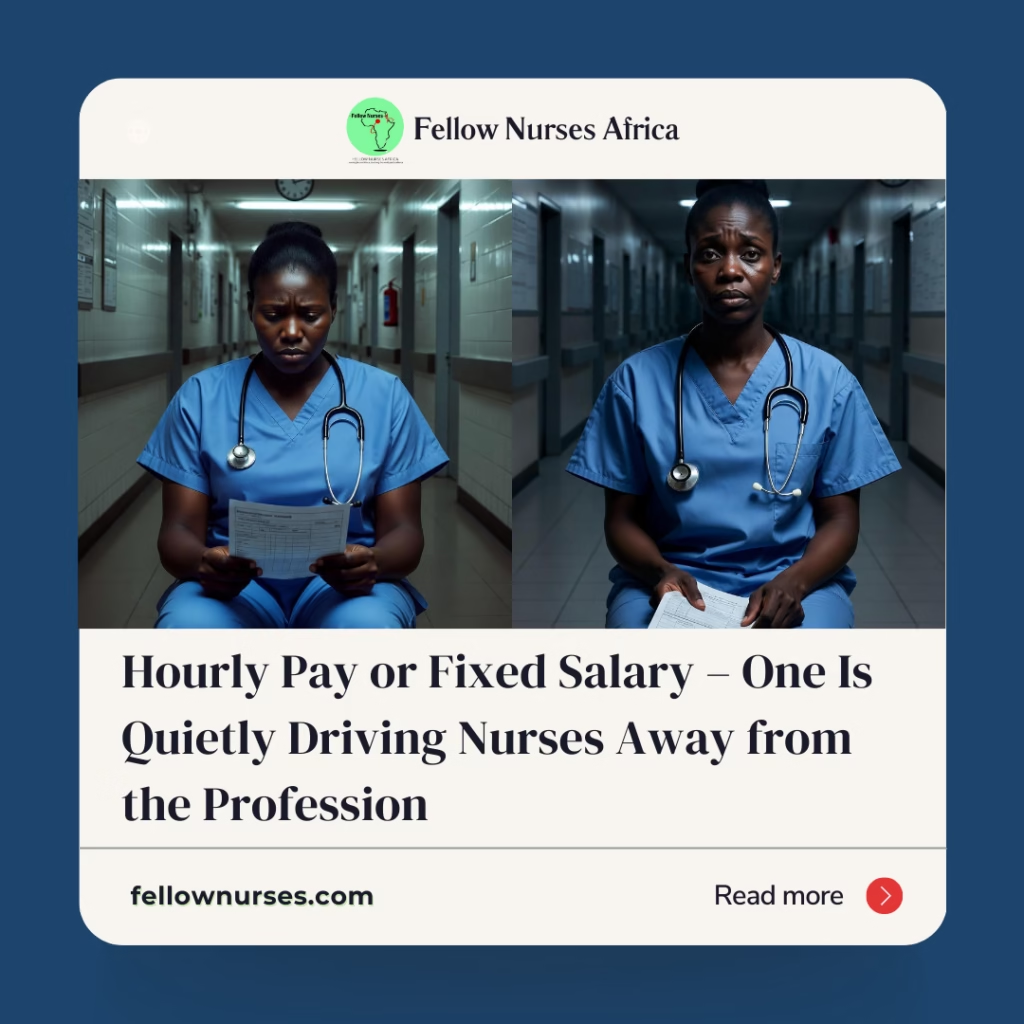
Every nurse in Africa knows the feeling.
You work back-to-back shifts, cover nights and weekends, handle emergencies that no one else can – and at the end of the month, the salary is the same as last month.
The pay structure in most African hospitals is fixed salary.
No extra for overtime.
No differential for night duty.
No recognition for the heavier workload some wards carry.
But across the world, many countries use hourly pay with overtime rates and shift differentials.
Nurses there earn more when they work more or during unsocial hours.
So the question burning in nursing groups right now is simple:
Is the fixed salary system fair – or is it pushing good nurses out of the profession?
Here are the hard facts:
- Fixed salary means predictable income but no reward for extra hours or risk.
- Hourly pay can mean higher earnings for heavy workloads but less stability in quiet months.
- Burnout rates are high across Africa, with many nurses citing low pay and poor recognition as top reasons for leaving.
- Countries with hourly or shift-based pay often report better retention in high-stress roles.
No system is perfect.
Some nurses prefer the security of fixed pay.
Others say hourly rates would finally reflect the real effort they put in.
The debate is growing louder as more young people think twice before entering nursing.
What the profession needs now is an open, honest conversation.
Nurses, your voice matters most.
Share your experience below – no judgement, just facts.
Fellow Nurses Africa is the independent voice of African nursing. We educate, inform and support nurses across Africa.

Charles Wealth is an accomplished healthcare administrator with decades of hands-on experience across various healthcare organizations in Nigeria and beyond. Known for his strategic leadership, operational excellence, and deep commitment to advancing the nursing profession, Charles brings a wealth of expertise to healthcare management, policy, and professional development.
As a co-founder and Editor at Fellow Nurses Africa, he plays a pivotal role in shaping content that educates, inspires, and unites nurses across the continent. His editorial vision focuses on amplifying the voices of nurses, highlighting best practices, addressing contemporary challenges in healthcare, and promoting professional growth within the nursing community.
With a strong background in healthcare administration, Charles is passionate about bridging the gap between clinical practice and effective leadership. He continues to contribute significantly to the development of robust healthcare systems and the empowerment of nurses through knowledge sharing and advocacy.