

Fellow Nurses Africa | Lagos, Nigeria | 28 October, 2025
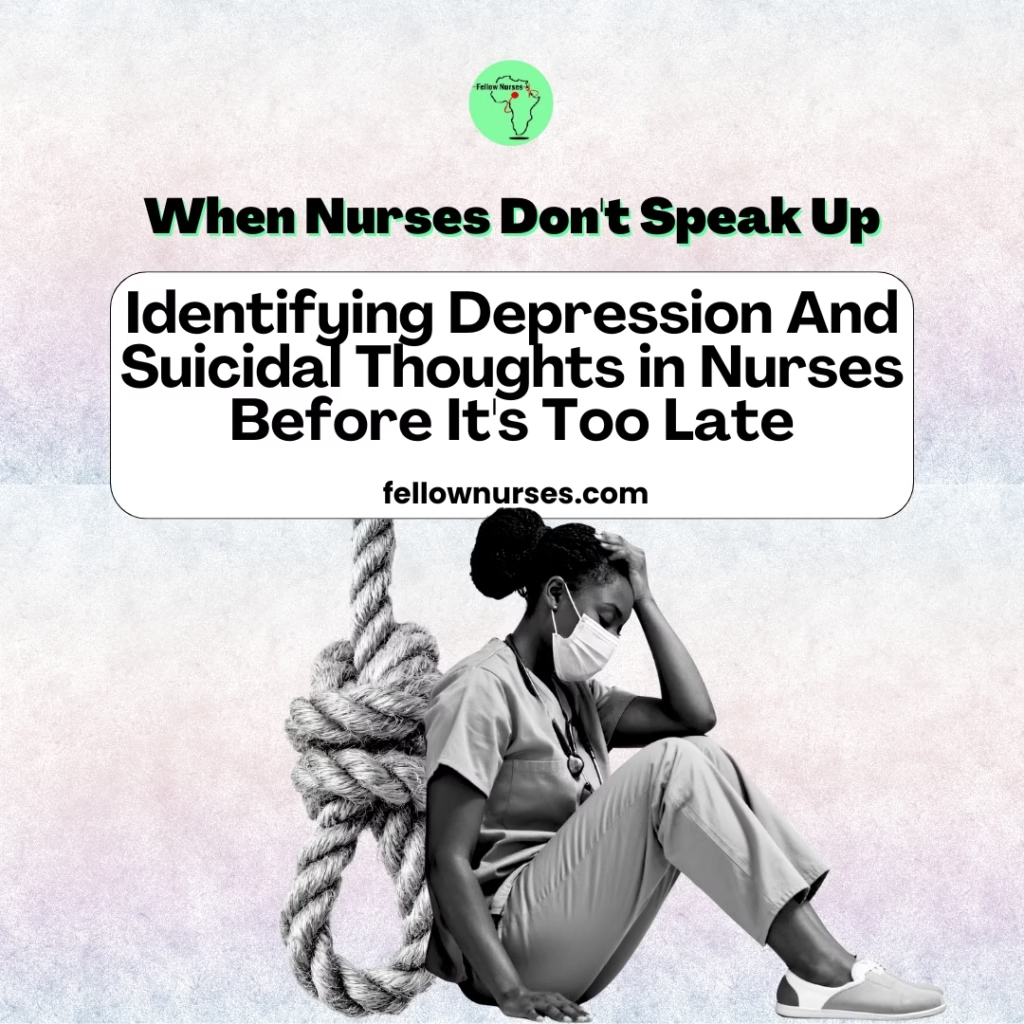
As a nurse, I’ve seen how easy it is to hide behind our uniforms the smiles, the strength, the “I’m fine.” But lately, too many of us are breaking in silence.
This piece is for every nurse who’s struggling quietly, and for those of us who must learn to listen before it’s too late.
In recent months, heartbreaking news of nurses taking their own lives has surfaced across the world. Each story carries the same painful surprise: “She was always smiling.” “He was the one who encouraged everyone else.”
But behind that calm professionalism, many nurses are silently breaking.
We are trained to care, to comfort, to stay composed when everything around us falls apart. But sometimes, the caregiver forgets to care for themselves. And when depression or suicidal thoughts appear, silence becomes the loudest symptom.
Even today, mental health struggles among healthcare professionals remain heavily stigmatized.
Many nurses don’t speak up because they fear judgment, being seen as weak, or being labeled “unfit for duty.”
Others convince themselves it’s just stress something they can sleep off or push through. So they smile through the exhaustion, carry on with the shift, and keep helping others while slowly losing themselves.
When nurses can’t find the words, their behavior often tells the story, quietly, but clearly, if we pay attention.
Here are a few red flags that may go unnoticed:
-
Withdrawal from colleagues or social activities.
-
Irritability, emotional detachment, or sudden loss of empathy.
-
Repeated lateness, absenteeism, or, conversely, overworking to avoid being alone.
-
Comments like “I’m tired of everything” or “What’s the point anymore?”
-
Noticeable drop in enthusiasm, appearance, or attention to detail.
-
A sudden calmness after deep distress, which can sometimes indicate dangerous resolve.
These signs are easy to miss in fast-paced healthcare settings, but they may be quiet cries for help.
What We Can Do As Colleagues and Leaders
If you notice a colleague struggling:
-
Don’t wait for them to “open up.” Gently ask, “How are you, really?”
-
Listen without judgment sometimes, presence is all they need not rushed advice.
-
Encourage professional help, peer support, or employee counseling.
-
Follow up. One conversation isn’t enough, consistency is necessary.
For nurse leaders and managers:
We need systems that care as much for nurses as nurses care for patients.
- Normalize mental health breaks. Offer debriefings after traumatic cases.
- Provide confidential therapy access.
- Let empathy guide management.
We can keep losing Nurses because we fail to pay attention. Nurses well-being is a collective responsibility.

Kehinde Oluwatosin is one of the many editors here at Fellow Nurses Africa and fellownurses.com.
He is a registered nurse with a Master of Science degree in healthcare leadership from the University of Hull, United Kingdom. Kehinde is passionate about advancing the nursing profession across Africa. As Co-Founder of Fellow Nurses Africa, he plays a key role in shaping editorial direction, ensuring our content educates, informs, and empowers nurses continent-wide.
With expertise in leadership, patient flow, and healthcare operations, Kehinde brings valuable insights to nursing news, career development, and policy discussions. He is committed to amplifying the voice of African nurses and driving positive change in the profession.