
$3,482 Weekly US Nursing Roles Spark Widespread Discussion Among Nigerian Nurses
Fellow Nurses Africa
19 March 2026
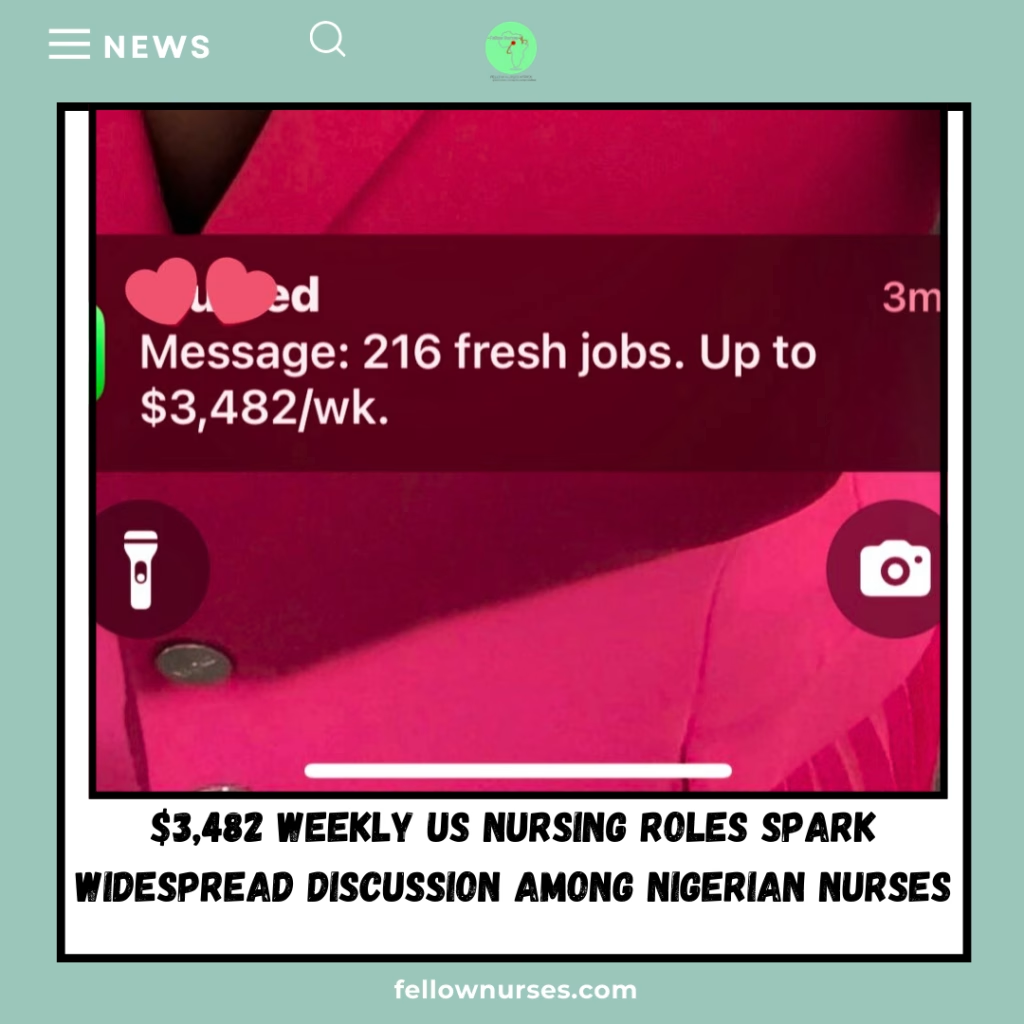
It started with a simple screenshot from a text message alert — 216 nursing positions across the United States, with top weekly pay hitting $3,482 and exploded into one of the most relatable nursing conversations on X this week.
The post, shared by Atlanta-based Nigerian-American RN @FavorGrace90 known as Temi Of ATL, quoted a casual “Please quote me with anything” request and added her now-iconic line:
“If you like no study Nursing in America.”
The replies rolled in fast, blending raw honesty, sharp humour, envy, motivation, and classic Naija wit. Here’s a selection of the most telling (and entertaining) ones that captured the mood:
👉 Join our Whatsapp channel Here
- “Nigerian nurses dey suffer o” — straight to the point, no chaser.
- “Per year, Nigerian nurses never see this one” — the pay-gap reality check that hit home for many.
- “My sis na nurse already, na to japa remain” — already qualified, now plotting the exit strategy.
- “Omo! Work dey like water!!! Na person go tayad ” — abundance so plentiful it’s exhausting just thinking about it.
- “Hope the person will not be working round the clock o” — valid concern about the grind behind the glamour.
- Temi’s quick reply: “This one is a 10hr x 4 days but you must be willing to travel out of your state” — clarifying the trade-off.
- “Then there is taxes” — the voice of realism from someone who knows the fine print.
- “Omo if I get my opportunity I go study am oo💯” — turning inspiration into personal resolve.
- “What I have been praying for, make I just see any opportunity lasan mo ti japa” the quiet desperation turned loud hope.
Deeper in the thread, the conversation stayed practical and passionate:
- One user asked for relocation guidance for siblings already working as RNs in Nigerian government hospitals. The response? “Check nurse Ucy, nurse joy Williams or Nrs Oluwasusi page” — community pointing to trusted resources.
- Another clarified: “This is weekly Salary not annually” — helping keep expectations grounded.
- Temi herself weighed in thoughtfully: “Some people in the diaspora study nursing for the money, I believe it should be something you pursue with passion.” A gentle reminder amid the dollar signs.
The Bigger Picture: Shortage + Dreams = Opportunity
These reactions aren’t random they reflect a real US registered nurse shortfall. HRSA projections for 2026 show an ~8% national gap, roughly 263,870 unfilled RN spots, fuelled by ageing populations, retirements, and post-pandemic burnout. Travel nursing fills the breach with premium pay (averages $2,000–$2,600 weekly, with peaks like $3,482 in urgent or specialised roles).
For Nigerian nurses, the contrast is stark: modern facilities, structured progression, and financial breathing room versus local challenges of workload, pay, and limited advancement. While the UK remains popular (over 16,000 Nigerian-educated nurses registered by late 2025), US pathways via NCLEX-RN, credential evaluation, and sponsorship are gaining traction.
Final Takeaway
This viral moment isn’t just about money, it’s about possibility, frustration, hope, and the very real question many are asking: Why stay when the door is (relatively) open?
Fellow Nurses Africa is committed to arming you with facts, not hype: licensure steps, realistic timelines, contract red flags, passion-vs-practicality balance, and success stories from those who’ve crossed over.
Because when the replies are this lively, it’s clear the conversation is far from over and neither is the opportunity.
👉 Join our Whatsapp channel Here
Fellow Nurses Africa is the independent voice of African nursing, we educate, inform and support nurses across Africa

Kehinde Oluwatosin is one of the many editors here at Fellow Nurses Africa and fellownurses.com.
He is a registered nurse with a Master of Science degree in healthcare leadership from the University of Hull, United Kingdom. Kehinde is passionate about advancing the nursing profession across Africa. As Co-Founder of Fellow Nurses Africa, he plays a key role in shaping editorial direction, ensuring our content educates, informs, and empowers nurses continent-wide.
With expertise in leadership, patient flow, and healthcare operations, Kehinde brings valuable insights to nursing news, career development, and policy discussions. He is committed to amplifying the voice of African nurses and driving positive change in the profession.