
Fellow Nurses Africa | Lagos, Africa | 12 December, 2025
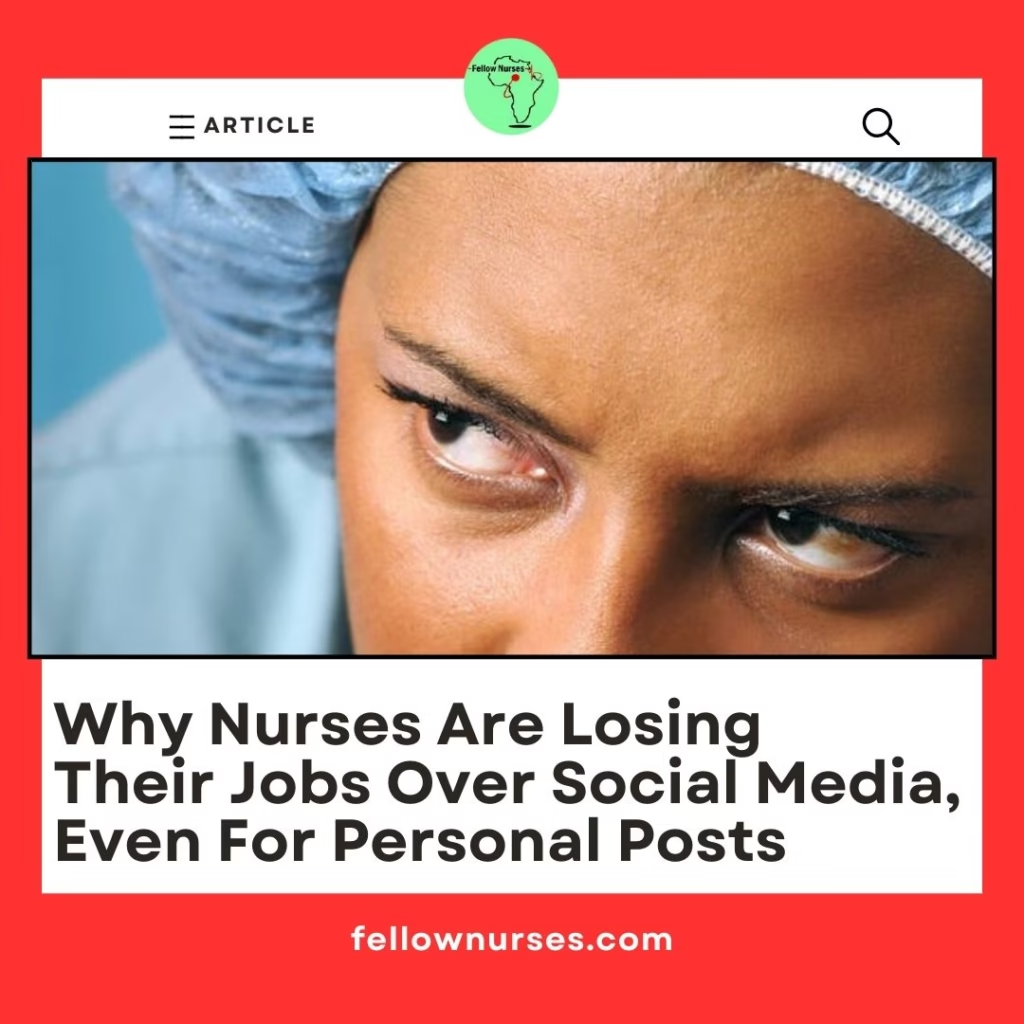
Social media is now one of the biggest professional risks for nurses, even when the posts are personal, harmless, or unrelated to work.
Around the world, nurses are being suspended, disciplined, or dismissed for content shared on platforms like Instagram, TikTok, Facebook, or X.
Below is a clear, balanced explanation of why this is happening and how nurses can protect themselves online.
Why Hospitals Act on “Personal” Posts
- Employer reputation is at stake
Healthcare organizations are extremely protective of their public image.
A simple personal post, a joke, a relationship rant, a trending meme, can be interpreted as “unprofessional” once people see your identity as a nurse.
- Professional conduct rules apply outside work
Most hospitals include vague clauses like: “Staff must avoid behaviour that could bring the profession or institution into disrepute.” This covers off-duty life and anything you publish online, even on private accounts.
- Anyone can screenshot and report
A stranger, patient relative, colleague, or follower can send a screenshot to your workplace. Hospitals move fast to avoid reputational damage.
- Privacy concerns, even when unintentional
Posts that seem harmless may be judged as:
-
implied patient references
-
insensitive commentary about medical conditions
-
potential confidentiality breaches
-
Even when no names or details were mentioned.
- Cultural and moral sensitivity
Content involving religion, politics, humour, dance trends, or lifestyle choices can be considered “unprofessional,” depending on the hospital and country.
- High expectations for nurses
Nurses are held to a stricter moral and professional standard.
Unfortunately, this means content other professionals can post freely may still put a nurse at risk.
Why It Feels Unfair and Why It Still Happens
Many affected nurses say their posts were:
-
personal
-
unrelated to nursing
-
not filmed at work
-
not directed at patients
However, employers view online behaviour as part of a nurse’s professional identity. To them, your personal life is still public-facing, and once there’s a screenshot, context no longer matters.
How Nurses Can Protect Themselves Online
These practical steps help reduce risks without forcing you to stop creating content:
-
Keep your workplace name off your bio Use general terms like “Registered Nurse” instead of naming a specific hospital.
-
Avoid sensitive or controversial topics publicly If you must discuss them, do so thoughtfully and professionally.
-
Be very careful with patient stories Even motivational reflections should not include identifiable details.
-
Limit pictures taken in clinical environments Logos, badges, whiteboards, and background equipment can reveal more than intended.
-
Separate your professional and personal accounts But always assume anything online can be screenshot.
Nurses deserve freedom of expression, but the professional risks are real. Understanding these grey areas helps you stay safe, protect your licence, and still show up online with confidence.
Fellow Nurses is the independent voice of African Nursing. We educate, inform and support the Nursing profession.

Kehinde Oluwatosin is one of the many editors here at Fellow Nurses Africa and fellownurses.com.
He is a registered nurse with a Master of Science degree in healthcare leadership from the University of Hull, United Kingdom. Kehinde is passionate about advancing the nursing profession across Africa. As Co-Founder of Fellow Nurses Africa, he plays a key role in shaping editorial direction, ensuring our content educates, informs, and empowers nurses continent-wide.
With expertise in leadership, patient flow, and healthcare operations, Kehinde brings valuable insights to nursing news, career development, and policy discussions. He is committed to amplifying the voice of African nurses and driving positive change in the profession.