
Fellow Nurses Africa | Lagos, Nigeria | 17 October 2025
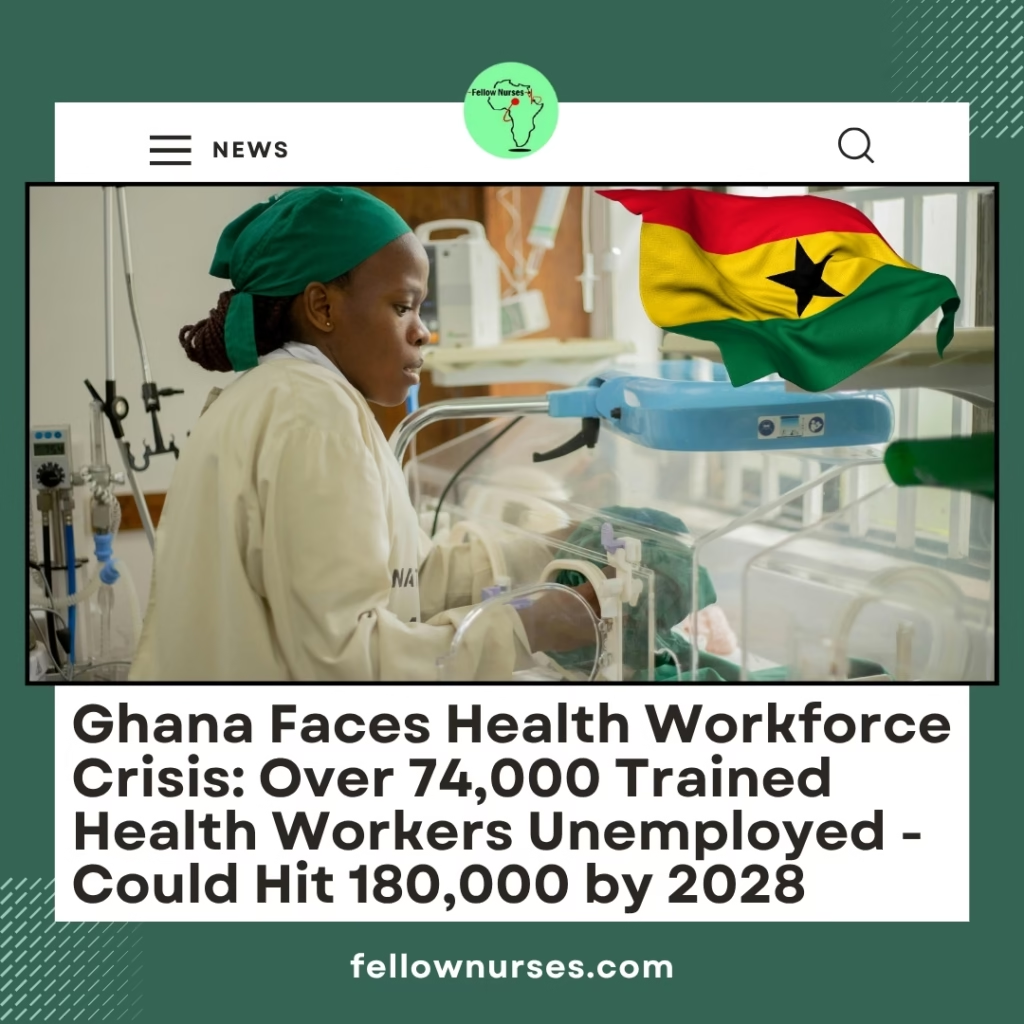
Ghana’s healthcare system is standing at a crossroads. Over 74,000 trained health professionals including nurses, midwives, and allied health workers, remain unemployed, some waiting since 2019 to be absorbed into the health service.
The Health Minister recently admitted that employing all these professionals by 2026 is “unrealistic,” warning that without urgent intervention, the backlog could swell to 180,000 by 2028.
“We currently need at least GHS 6 billion to recruit the backlog,” the Minister disclosed, citing fiscal limitations and the slow rate of public sector absorption.
The revelation has sparked outrage across social media, where users question how Ghana can remain on WHO’s Red List of countries facing health system strain while tens of thousands of its trained professionals sit at home.
“How can we be short of healthcare workers globally, yet our own stay jobless?” one post reads. “Is it lack of funds, or lack of will?”
The situation paints a troubling paradox as Ghana’s universities and nursing colleges keep producing highly trained health workers, but the government’s wage bill and infrastructure cannot absorb them.
This mismatch could undermine healthcare delivery, deepen youth unemployment, and waste millions in public funds spent on training.
Health economists and global policy experts point to a mix of financial reforms, phased recruitment, and private sector engagement as realistic ways forward.
Others suggest “managed migration”, allowing trained professionals to work abroad under structured agreements, but critics fear that could worsen Ghana’s long-term brain drain.
The WHO’s Workforce 2030 strategy highlights this exact dilemma across Africa, training without absorption, a costly cycle that weakens local systems while fueling migration.
“We just want to work,” says one unemployed nurse in Kumasi. “We’re ready to serve our country, if only it would let us.”
Can the country afford to keep its healers idle — while patients continue to wait for care?
This is a developing story, we’ll love to have your thoughts in the comments
Fellow Nurses Africa is the independent voice of African Nurses. We educate, inform and support the nursing profession.

Kehinde Oluwatosin is one of the many editors here at Fellow Nurses Africa and fellownurses.com.
He is a registered nurse with a Master of Science degree in healthcare leadership from the University of Hull, United Kingdom. Kehinde is passionate about advancing the nursing profession across Africa. As Co-Founder of Fellow Nurses Africa, he plays a key role in shaping editorial direction, ensuring our content educates, informs, and empowers nurses continent-wide.
With expertise in leadership, patient flow, and healthcare operations, Kehinde brings valuable insights to nursing news, career development, and policy discussions. He is committed to amplifying the voice of African nurses and driving positive change in the profession.