
Fellow Nurses Africa | Lagos, Nigeria | 15 January, 2026
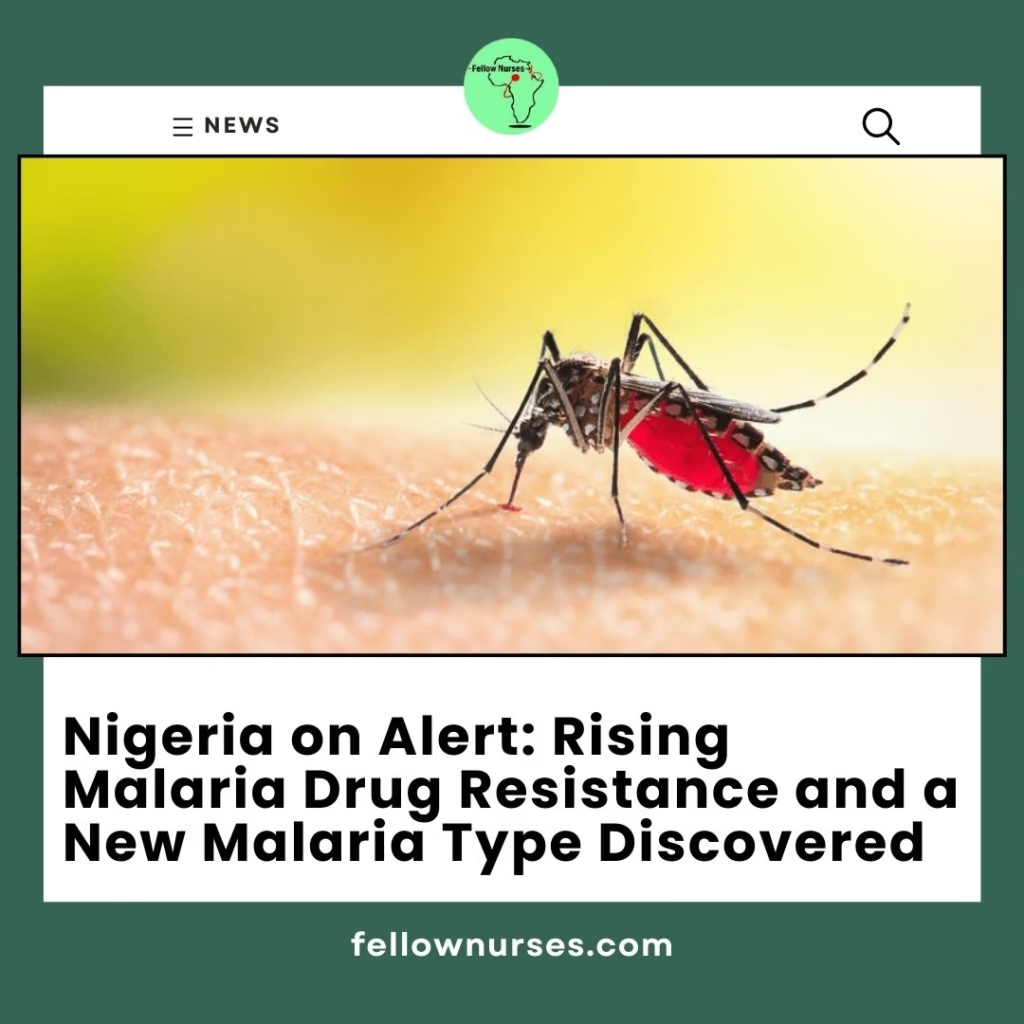
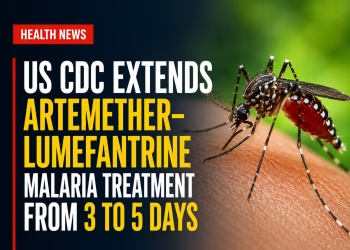
Malaria, which affects millions of Nigerians every year, is changing. Experts warn that some malaria parasites are starting to resist the usual medicines, and a new type of malaria parasite has been detected in Nigeria.
While malaria is still treatable, these developments show that the parasite is adapting, and Nigerians need to be careful to keep medicines working effectively.
Main malaria medicines, artemisinin-based drugs are still effective, but resistance is slowly increasing.
Taking medicine incorrectly, skipping doses, or self-medicating can make resistance worse.
The new parasite type isn’t causing major problems yet, but it shows malaria is evolving.
How to Protect Yourself and Your Family
- Always confirm malaria with a test before taking medicine.
- Finish your full treatment course exactly as prescribed.
- Use mosquito nets and remove standing water around homes.
- Seek care at a health facility if you have symptoms.
Malaria is changing, but by using medicine correctly, preventing mosquito bites, and staying informed, Nigerians can continue to protect themselves and their loved ones.

Kehinde Oluwatosin is one of the many editors here at Fellow Nurses Africa and fellownurses.com.
He is a registered nurse with a Master of Science degree in healthcare leadership from the University of Hull, United Kingdom. Kehinde is passionate about advancing the nursing profession across Africa. As Co-Founder of Fellow Nurses Africa, he plays a key role in shaping editorial direction, ensuring our content educates, informs, and empowers nurses continent-wide.
With expertise in leadership, patient flow, and healthcare operations, Kehinde brings valuable insights to nursing news, career development, and policy discussions. He is committed to amplifying the voice of African nurses and driving positive change in the profession.