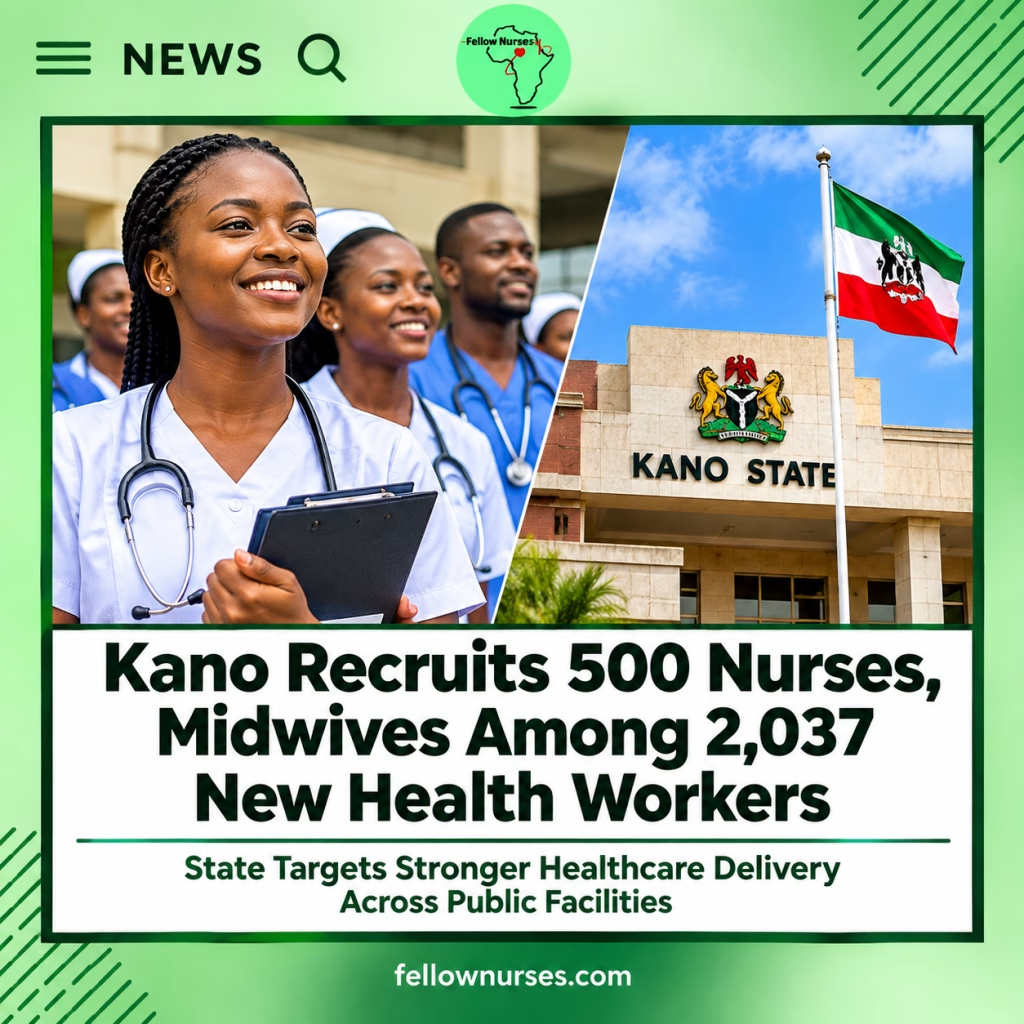
Kano Recruits 500 Nurses and Midwives Among 2,037 New Health Workers as WHO, UNICEF Commend Health Workforce Investment
FNA NEWS, 2nd Of October, 2026
Kano State Government has recruited 2,037 new healthcare workers, including 250 nurses and 250 midwives, as the state moves to address workforce shortages and strengthen healthcare delivery across its public health facilities.
👉 Join Fellow Nurses Africa on WhatsApp
The recruitment has also drawn commendation from the World Health Organization (WHO), the United Nations Children’s Fund (UNICEF) and other health-sector partners, who described the investment in human resources as an important step towards addressing critical gaps in Kano’s healthcare system.
500 Nurses and Midwives Among 2,037 Recruits
Governor Abba Kabir Yusuf presented appointment letters to the newly recruited health personnel at the Government House in Kano on September 30, 2026.
According to the figures announced by the state government, the recruitment includes:
- 250 nurses
- 250 midwives
- 250 medical doctors
- 40 pharmacists
- 150 senior community health extension workers
- 50 junior community health extension workers
- 50 medical laboratory scientists/other reported health professionals
- Other clinical and non-clinical personnel
The 250 nurses and 250 midwives bring the combined number of nurses and midwives recruited to 500.
The total recruitment figure is 2,037 healthcare workers.
For nurses and midwives, the recruitment represents almost one-quarter of the entire intake, with the two professions accounting for about 24.5 per cent of the reported 2,037 new health workers.
WHO Commends Kano’s Investment in Health Workforce
👉 Join Fellow Nurses Africa on WhatsApp
The recruitment has received recognition from development partners working in the health sector.
The WHO representative in Kano, Dr Sunusi Abubakar Mayana, commended the state government for its commitment to strengthening the healthcare system and addressing the human resources gap.
Mayana said the role of development partners was to support governments by helping mobilise the resources required to implement health programmes and policies.
He described the recruitment as evidence of the government’s effort to address critical gaps in the health sector and said its impact could be felt by families across the state.
He also stressed the importance of building health systems that can continue delivering results beyond any individual administration.
UNICEF Highlights Investment in Nurses and Midwives
The UNICEF representative in Kano, Dr Muhammadu Damish, also commended the state government for investing in human resources and strengthening healthcare delivery.
UNICEF described the recruitment as an important step towards improving access to quality healthcare services. For the nursing and midwifery workforce, the development is particularly significant.
Nurses and midwives make up 500 of the newly recruited personnel, placing the two professions among the largest identified professional groups in the recruitment exercise.
Their addition to the workforce is expected to provide more personnel for hospitals and other healthcare facilities dealing with staffing shortages.
NANNM, NMA and Other Health Groups Welcome Health Reforms
The commendation was not limited to international development partners.
The Nigeria Medical Association (NMA) also praised the state government’s healthcare reforms, particularly the transformation of primary healthcare facilities and the upgrading of major secondary healthcare institutions.
The National Association of Nigerian Nurses and Midwives (NANNM), the Medical and Health Workers Union and the Pharmaceutical Society of Nigeria were also among the stakeholders who said the reforms represented an investment in the future of healthcare delivery in Kano.
The groups called for the momentum to be sustained and for continued investment in initiatives that strengthen the health system and create opportunities for health professionals.
Why the Nurse Recruitment Matters
👉 Join Fellow Nurses Africa on WhatsApp
The recruitment comes against the backdrop of reported shortages of healthcare professionals in Kano.
Governor Yusuf attributed the shortage partly to the movement of doctors, nurses and other health professionals to other locations in search of better opportunities, alongside the pressure created by Kano’s growing population.
For nurses and midwives, the issue is particularly important because workforce availability directly affects the ability of health facilities to provide continuous patient care.
The recruitment of 250 nurses and 250 midwives therefore goes beyond adding numbers to the state’s payroll. It increases the pool of professionals available to provide nursing, maternal, newborn and other essential healthcare services across the state’s facilities.
However, recruitment is only one part of addressing workforce gaps. Retention, adequate working conditions, professional development, appropriate remuneration and safe staffing levels remain important to ensuring that newly recruited professionals can remain in the system and deliver quality care.
Governor Charges New Health Workers to Put Patients First
While presenting the appointment letters, Governor Yusuf urged the new health workers to demonstrate professionalism, integrity, discipline and compassion in their duties.
He also warned against patient maltreatment and demanding money before providing medical consultation or emergency care in public facilities.
The governor stressed that patients should not be denied timely care because they are unable to pay before receiving treatment.
The message places an additional responsibility on the newly recruited workforce: to translate the increase in staffing into better experiences and outcomes for patients.
A Significant Addition to Kano’s Nursing Workforce
The recruitment of 500 nurses and midwives within a wider intake of 2,037 healthcare workers marks a significant expansion of Kano’s public-sector health workforce.
The support expressed by WHO, UNICEF and professional health organisations also places attention on what happens next — whether the additional workforce is adequately deployed, supported and retained.
For nurses and midwives, the immediate priority will be ensuring that the new appointments translate into stronger staffing across facilities and, ultimately, improved access to safe and quality care for patients and families across Kano State.
As development partners and professional bodies have indicated, sustaining the investment will be critical to achieving lasting improvements in the state’s healthcare system.
👉 Join Fellow Nurses Africa on WhatsApp
Fellow Nurses Africa is the independent voice of African nursing, we educate, inform and support nurses across Africa.

Durowoju Abisola is a registered nurse, nurse writer and On-Air Correspondent at Fellow Nurses Africa (FNA), passionate about nursing leadership, health education and advocacy.
Through journalism, storytelling and content creation, she amplifies important conversations around nursing, healthcare and the experiences of nurses in Nigeria. She is committed to using her voice and professional knowledge to educate the public, challenge misconceptions and inspire the next generation of nurses.