
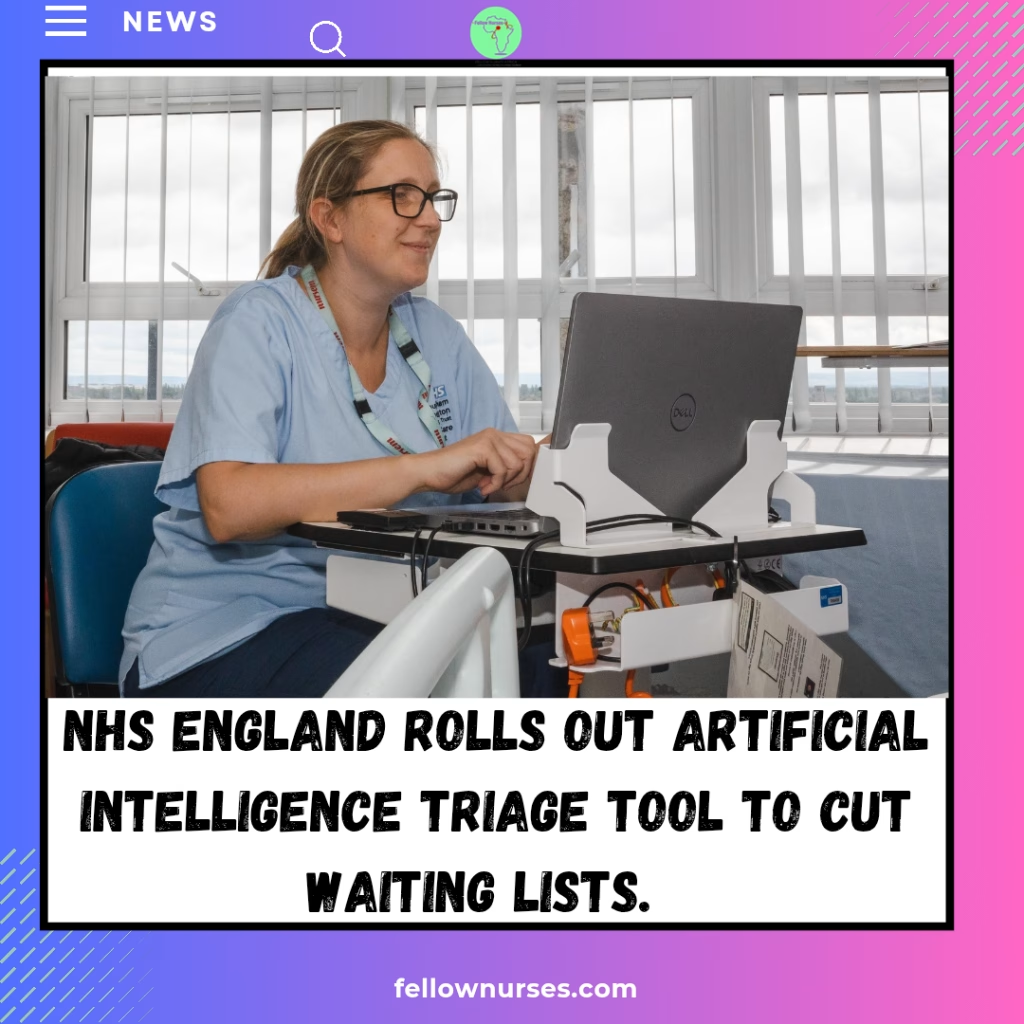
NHS England rolls out AI triage tool to cut waiting lists
NHS England is expanding the use of artificial intelligence (AI) across the health service as part of efforts to reduce waiting lists and give staff more time to care for patients.
The programme includes the rollout of Microsoft 365 Copilot to around 505,000 clinicians and support staff by October 2026, alongside an AI-powered triage tool that will be introduced through the NHS App.
The plans form part of the government’s £10bn investment in NHS technology and follow pilot projects involving more than 30,000 staff across 90 NHS organisations.
Copilot rollout
Microsoft 365 Copilot will be integrated into existing NHS systems to help staff complete routine administrative tasks.
The software can draft clinical letters and discharge summaries, summarise meetings and lengthy documents, analyse spreadsheets, and assist with finance, workforce and operational work.
👉 Join our Whatsapp channel Here
NHS England said the technology is intended to reduce the amount of time clinicians spend on paperwork, allowing more time for direct patient care.
Regional NHS organisations will also have access to Copilot Studio, enabling them to develop AI assistants for local services, including staff rota management and patient discharge planning.
Trial findings
According to NHS England, staff taking part in the pilot programme saved an average of 43 minutes each day on administrative work.
The trials also found that clinicians using ambient voice technology alongside the AI tools spent 23.5% more time with patients during consultations.
In Accident and Emergency departments, participating teams managed 13.4% more patients per shift, while overall appointment times were reduced.
NHS England said the results suggest AI could help improve productivity while maintaining the quality of patient care.
AI triage through the NHS App
An AI-powered triage service will begin supporting its first patients through the NHS App later this year.
The tool will assess symptoms and direct patients to the most appropriate NHS service. Around 200,000 users are expected to access the service during the initial phase, before it is expanded across England.
The NHS aims to make the feature available to all NHS App users by April 2028.
National rollout
Microsoft 365 Copilot is expected to be available to the targeted 505,000 NHS staff by October 2026. NHS trusts will receive licences based on workforce size as the programme is rolled out.
NHS England said the technology is designed to support clinicians rather than replace them. All AI-generated clinical documents will continue to require review by healthcare professionals before being added to patient records.
The organisation said it will continue monitoring the impact of the technology on staff workload, patient outcomes and waiting times as the rollout progresses across England.
FNA News will continue to monitor this development and provide updates as they emerge.
👉 Join our Whatsapp channel Here
…
Fellow Nurses Africa is the independent voice of African nursing, we educate, inform and support nurses across Africa.

Charles Wealth is an accomplished healthcare administrator with decades of hands-on experience across various healthcare organizations in Nigeria and beyond. Known for his strategic leadership, operational excellence, and deep commitment to advancing the nursing profession, Charles brings a wealth of expertise to healthcare management, policy, and professional development.
As a co-founder and Editor at Fellow Nurses Africa, he plays a pivotal role in shaping content that educates, inspires, and unites nurses across the continent. His editorial vision focuses on amplifying the voices of nurses, highlighting best practices, addressing contemporary challenges in healthcare, and promoting professional growth within the nursing community.
With a strong background in healthcare administration, Charles is passionate about bridging the gap between clinical practice and effective leadership. He continues to contribute significantly to the development of robust healthcare systems and the empowerment of nurses through knowledge sharing and advocacy.