
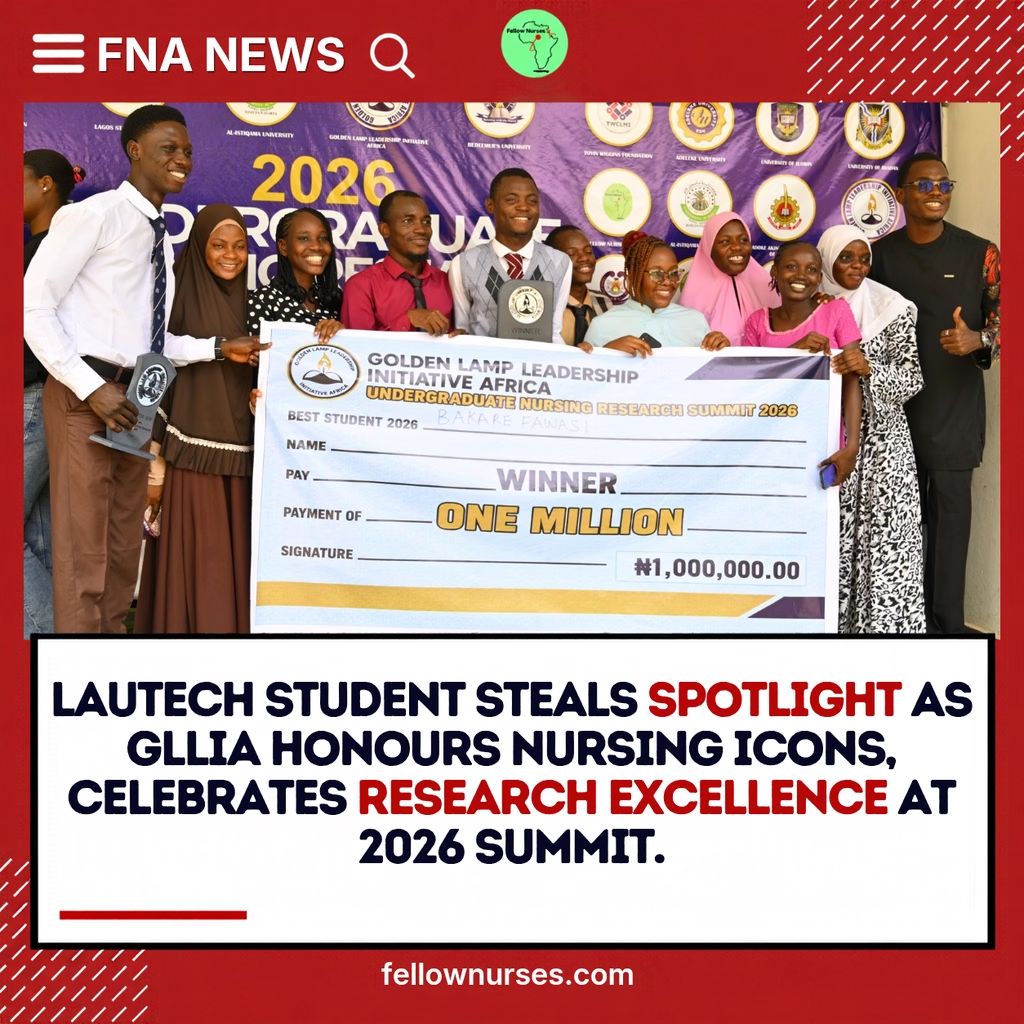
A nursing student from Ladoke Akintola University of Technology has emerged as the overall winner of a nationwide undergraduate nursing research competition, as leading academics, regulators and healthcare innovators gathered in Ibadan to celebrate research excellence and the future of nursing.
By Chinonyerem Tobechukwu | FNA News
Published: 1 November 2026
IBADAN, NIGERIA — It was a celebration of academic excellence, innovation and leadership as the Golden Lamp Leadership Initiative Africa (GLLIA) hosted its 2026 Undergraduate Nursing Research Challenge and Summit at the University of Ibadan, Oyo State.
The event, held on Saturday, 31 October 2026, at Trenchard Hall, brought together nursing students from universities across Nigeria, alongside prominent academics, professional regulators, researchers and healthcare innovators.
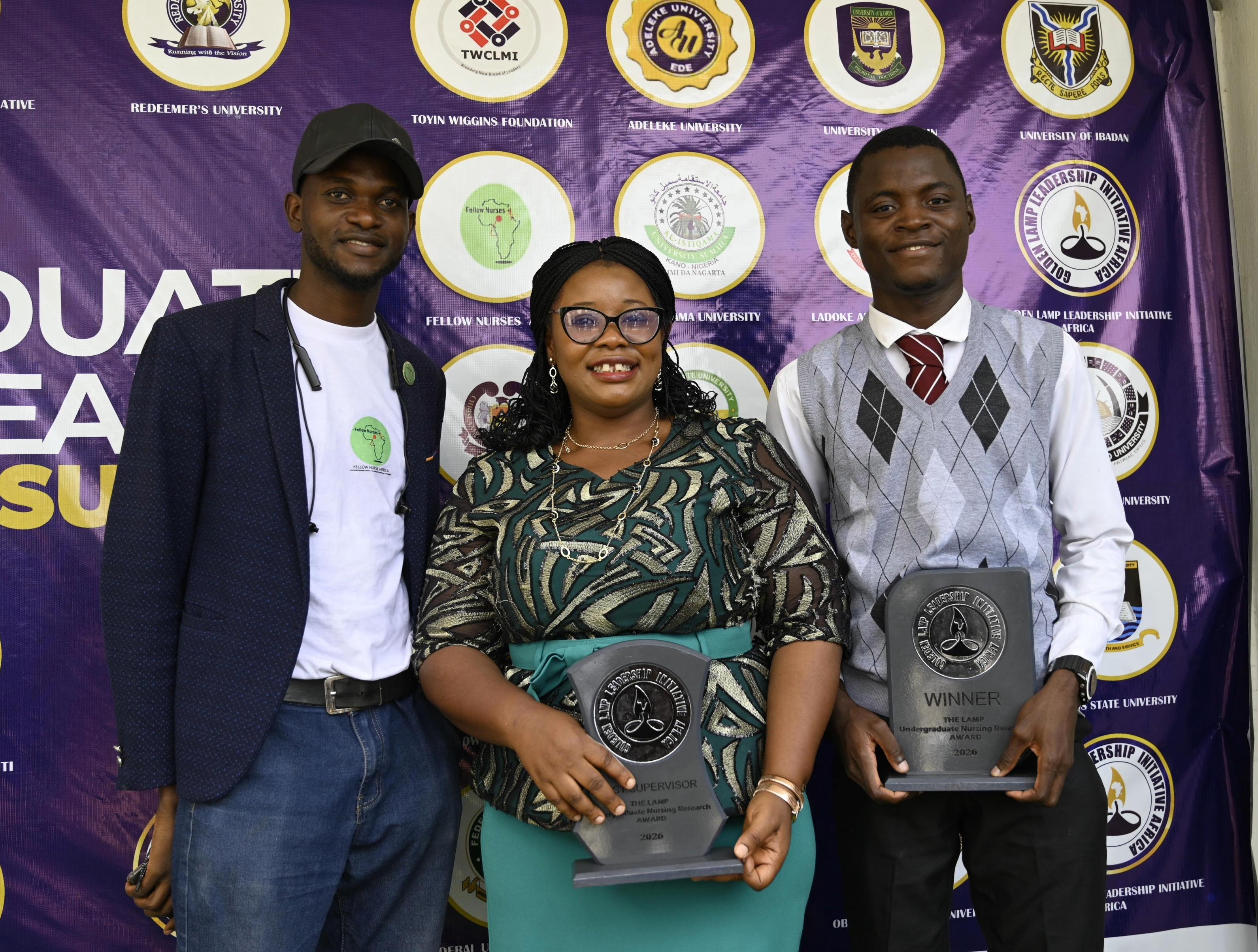
At the centre of the celebration was Bakare Fawasi, a student of Ladoke Akintola University of Technology (LAUTECH), who emerged as the overall winner of the 2026 undergraduate nursing research competition.

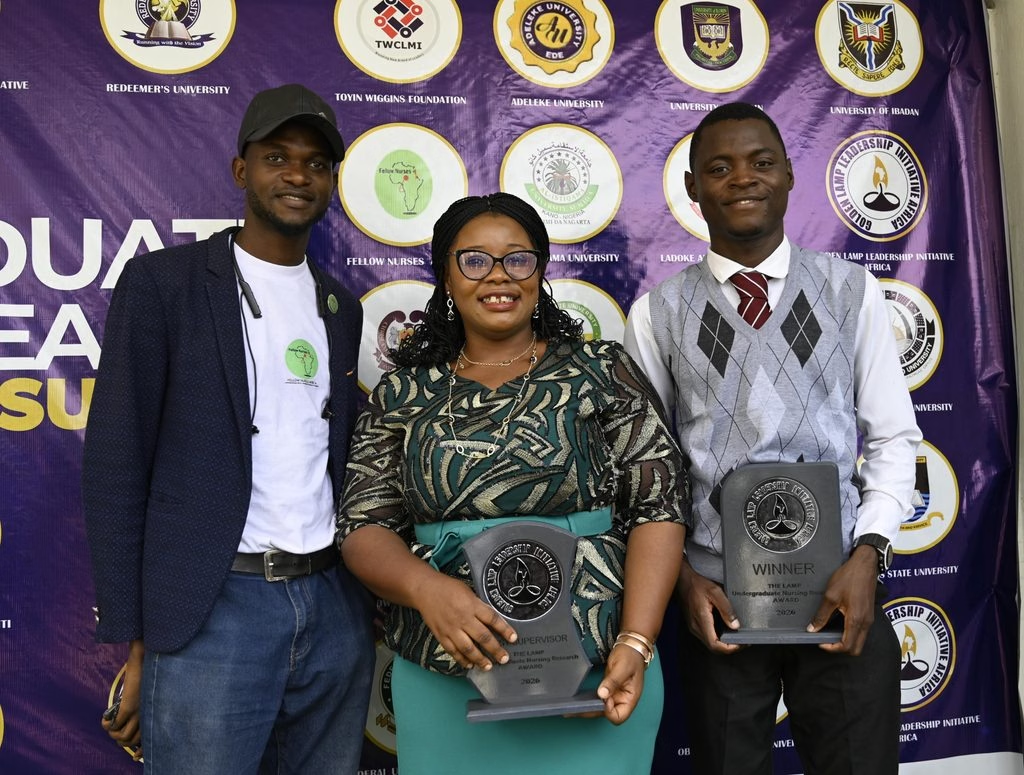
The summit, themed “Minds and Machines: New Frontiers of Nursing Research,” also featured the presentation of Nursing Icon Awards to distinguished speakers, alongside discussions on artificial intelligence, evidence-based practice and the future of nursing education.
Hosted in collaboration with the Faculty of Nursing, University of Ibadan, the gathering provided a platform to recognise outstanding research and encourage greater participation in scientific inquiry among undergraduate nurses.
LAUTECH, OOU and FUOYE Students Emerge Top Three in Nationwide Competition
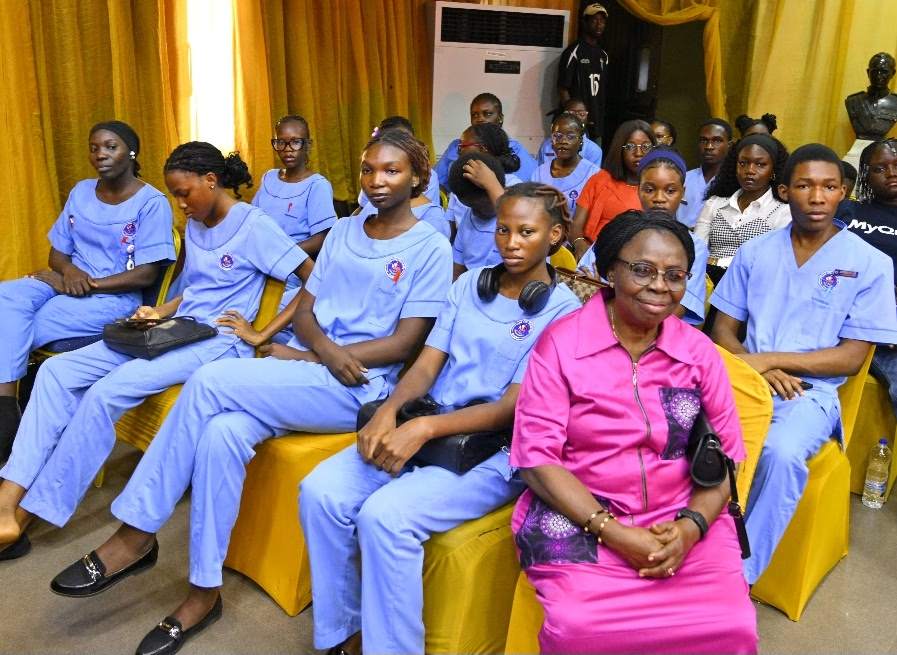
Students from different universities across Nigeria participated in the research challenge, presenting academic work for consideration in a competition designed to promote innovation and research excellence.
Following the evaluation process, three participants emerged as the overall winners.
- First position: Bakare Fawasi — Ladoke Akintola University of Technology (LAUTECH).
- Second position: Kushimo Adeyosola — Olabisi Onabanjo University (OOU).
- Third position: Paul Bamise — Federal University Oye-Ekiti (FUOYE).
The winners were recognised and presented with cash awards during the summit.
Their achievements highlighted the growing interest in research among undergraduate nursing students and the potential for young researchers to contribute to the advancement of healthcare in Nigeria.
Although the three universities secured the top positions, the competition brought together participants from several other Nigerian institutions, reflecting its wider national reach.
For the winners, the recognition represented more than an academic achievement. It provided an opportunity for their research efforts to gain attention beyond the classroom.
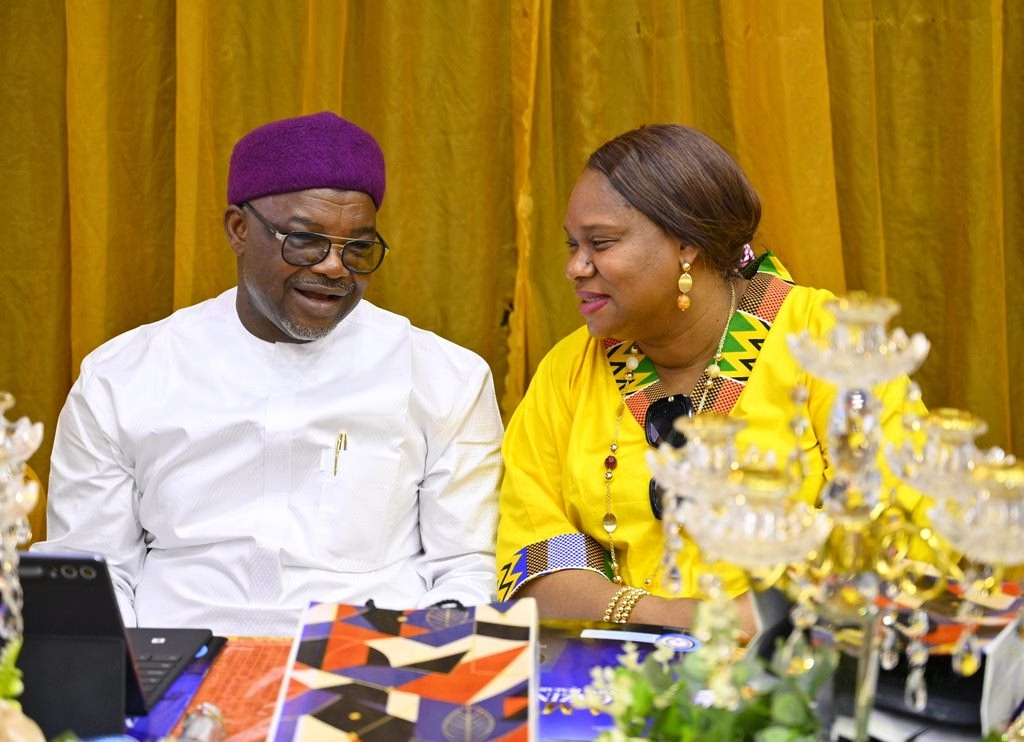
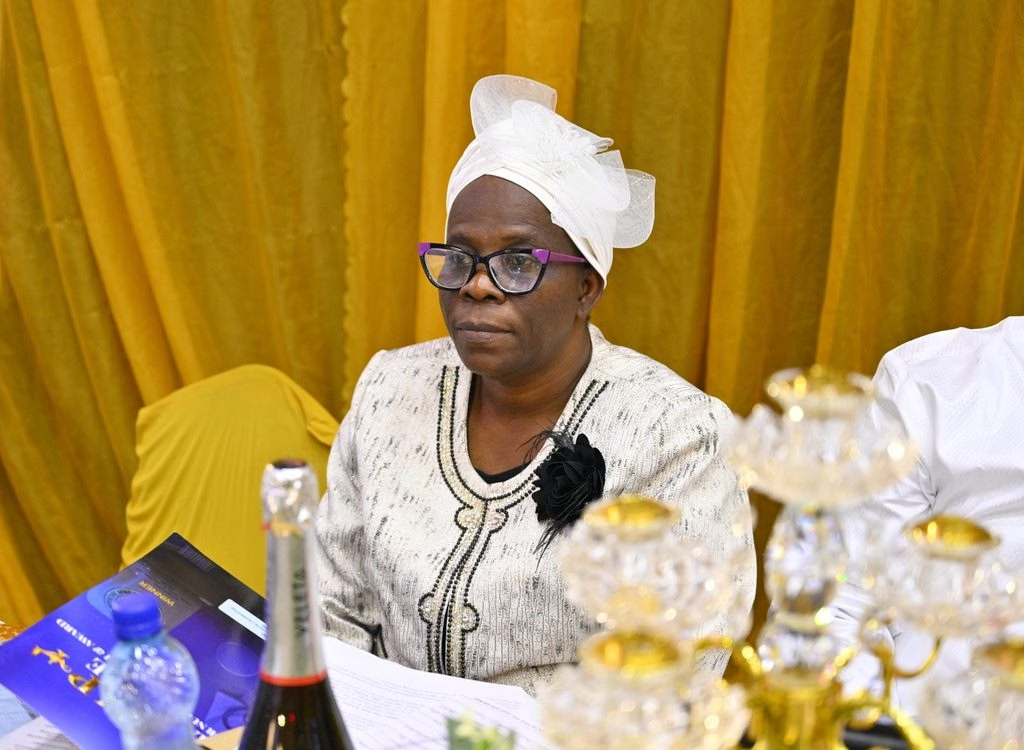
GLLIA Honours Nursing Icons for Contributions to the Profession
Beyond celebrating young researchers, GLLIA also recognised distinguished professionals whose work has contributed to nursing education, leadership, innovation and professional development.
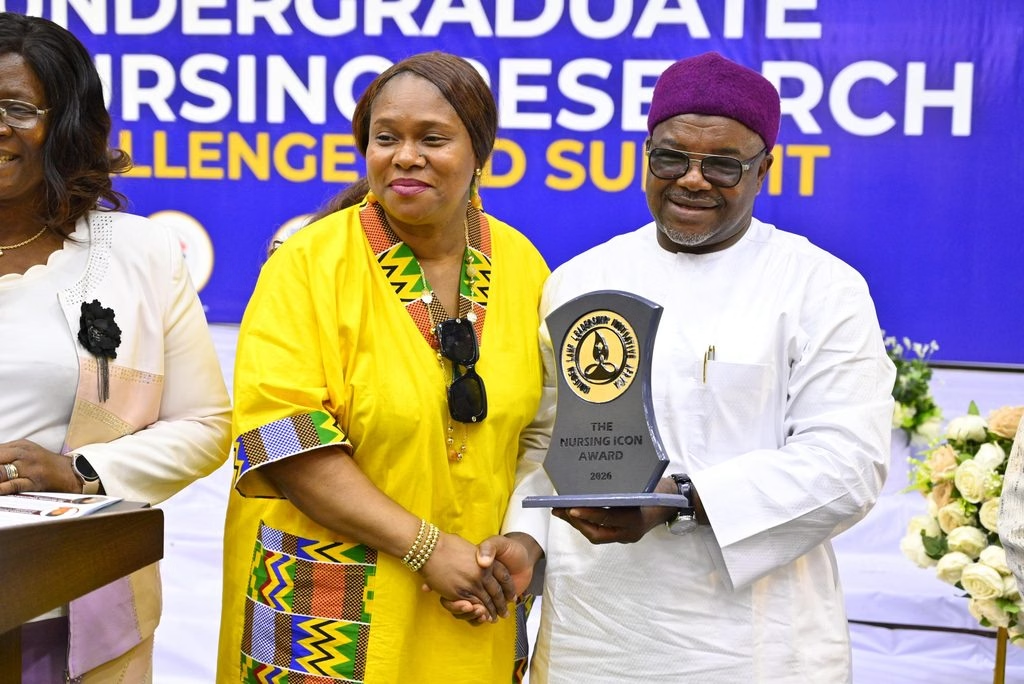
The organisation presented Nursing Icon Awards to speakers featured at the summit.
Among the distinguished personalities were Professor Prisca Olabisi Adejumo, Dean of the Faculty of Nursing, University of Ibadan; Alhaji (Dr) Ndagi Alhassan, Registrar of the Nursing and Midwifery Council of Nigeria (NMCN); and Dr Alice Igbekele Ogundele, Chairman of the NMCN Governing Board.
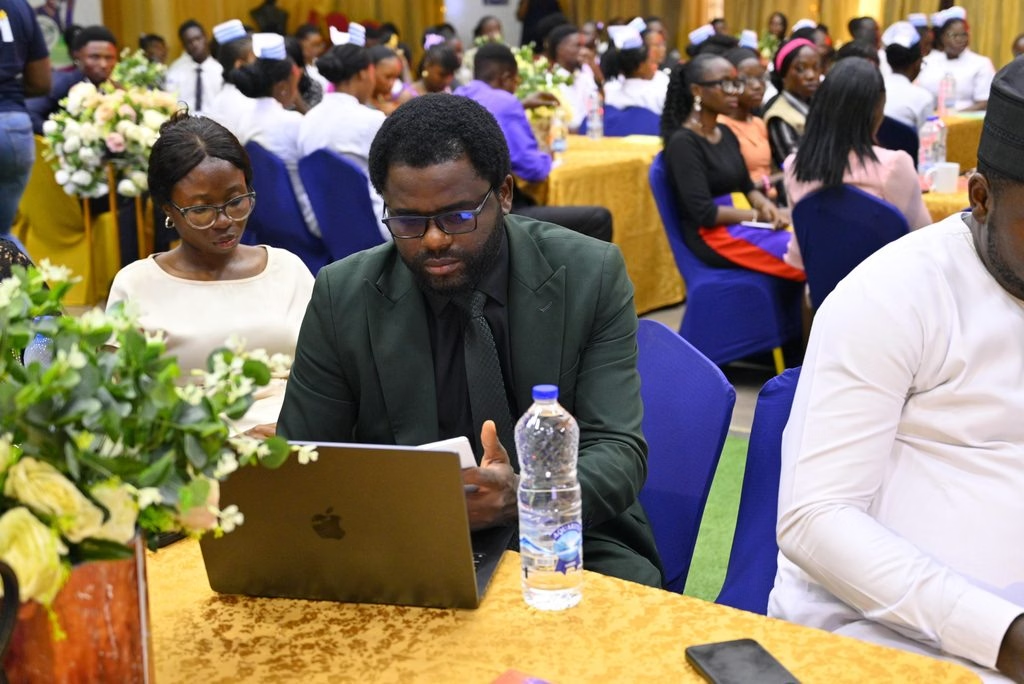
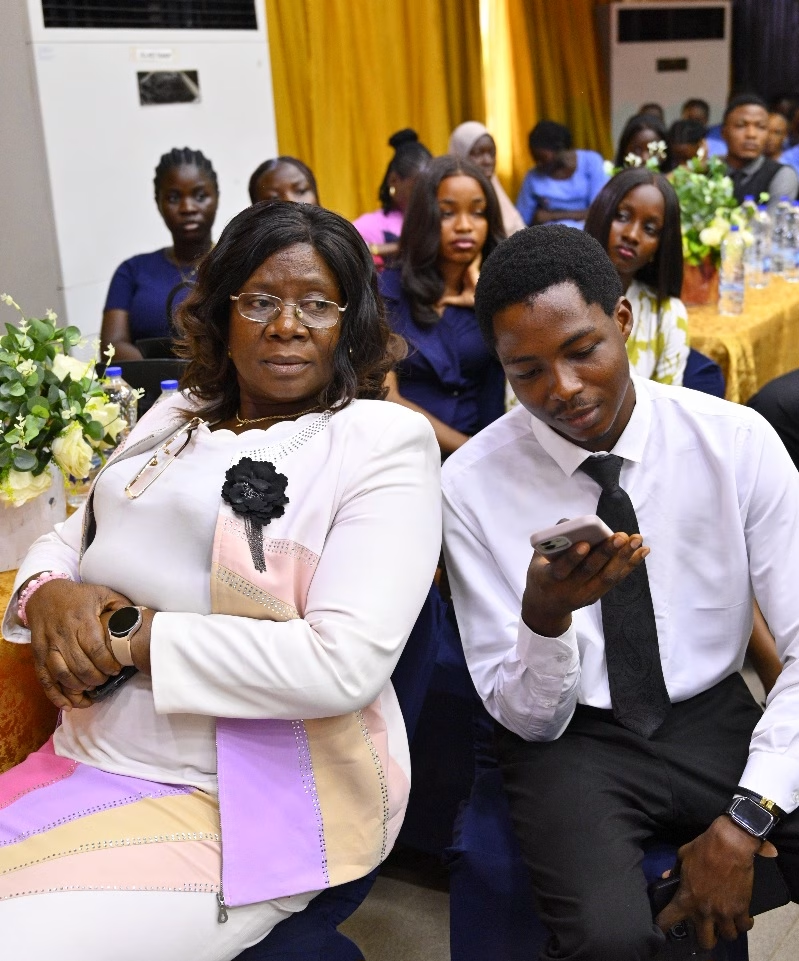
Other prominent speakers included Professor Adekemi Olowokere of Obafemi Awolowo University, who served as Technical Evaluation Lead for the research challenge; Nurse Abiola Ayilara, Founder of My Qura; and Dr Olusola Ayoola, Founder and Chief Executive Officer of Robotics and Artificial Intelligence Nigeria (RAIN).
The recognitions added another dimension to the event, celebrating established professionals while inspiring younger nurses to pursue excellence in research and leadership.
Professor Adesola Ogunfowokan, Dean of the Faculty of Nursing Sciences at Obafemi Awolowo University, was also presented with an award.
Receiving the honour, she dedicated it to nurses and encouraged professionals to contribute positively to their working and learning environments.
She emphasised the importance of creating institutions that support nursing education, professional development and research.
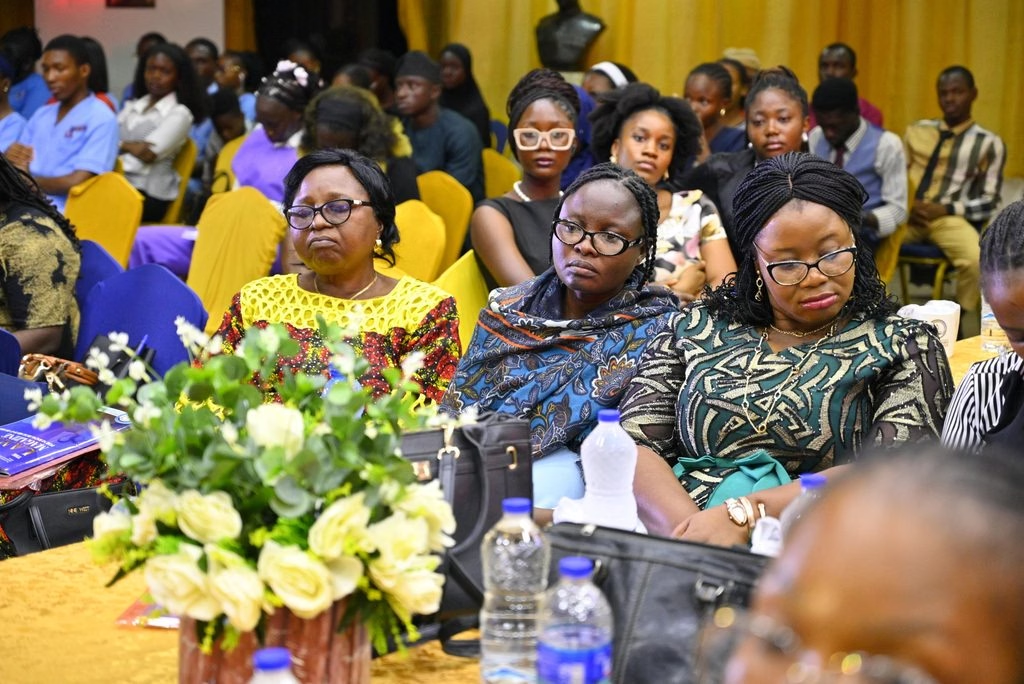
“Algorithms Can Calculate, But They Cannot Care” — NMCN Registrar
One of the major highlights of the summit was the keynote address delivered by the NMCN Registrar, Dr Ndagi Alhassan.
Speaking on the relationship between artificial intelligence and human intelligence, he cautioned nurses against allowing technological advancements to replace critical thinking, professional judgement and compassion.
“Algorithms can calculate, but they cannot care,” he told participants.
His message reflected a growing debate within healthcare about the opportunities and risks associated with artificial intelligence.
Dr Alhassan explained that while AI could help researchers analyse information and identify patterns, it could not replace the human qualities required to deliver safe and compassionate nursing care.
He warned that AI tools sometimes generate inaccurate information, including references to research publications that do not exist.
He therefore urged nursing students and researchers to verify AI-generated material before using it in academic work.
The Registrar identified three essential qualities that every nurse researcher must demonstrate: critical thinking, research integrity and ethical responsibility.
Drawing on the work of Florence Nightingale, he reminded participants that nursing research begins with observation, curiosity and a willingness to investigate problems affecting patient care.
He also urged educational institutions to introduce students to research early and provide structured mentorship opportunities.
In a significant announcement, Dr Alhassan pledged ₦1 million in support of GLLIA, reinforcing the importance of investing in nursing research and development.
Why GLLIA Wants Nursing Students to Take Research Seriously
For the Founder and Chief Executive Officer of GLLIA, Nurse Oluyemisi Otitoloju, the summit was part of a broader mission to address longstanding challenges associated with research education among nurses.
In her address, she explained that difficulties encountered by students and practising nurses while conducting research inspired the establishment of the organisation.
According to her, GLLIA is working to make nursing research more accessible, practical and relevant to healthcare delivery.
She disclosed plans to introduce a structured six-month research development programme aimed at guiding nursing students through the research process.
Otitoloju also highlighted the achievements of the organisation’s six-week mentorship programme, which she said had involved 25 facilitators and trained more than 1,000 students.
She added that approximately 96 nurses had received training through other professional development initiatives, including quality improvement, quality assurance and specialised areas of nursing practice.
A major focus of GLLIA, she explained, is helping young nurses develop practical research skills, particularly in the use of software for data analysis.
She called for stronger collaboration with universities and other institutions to expand research training and mentorship opportunities.
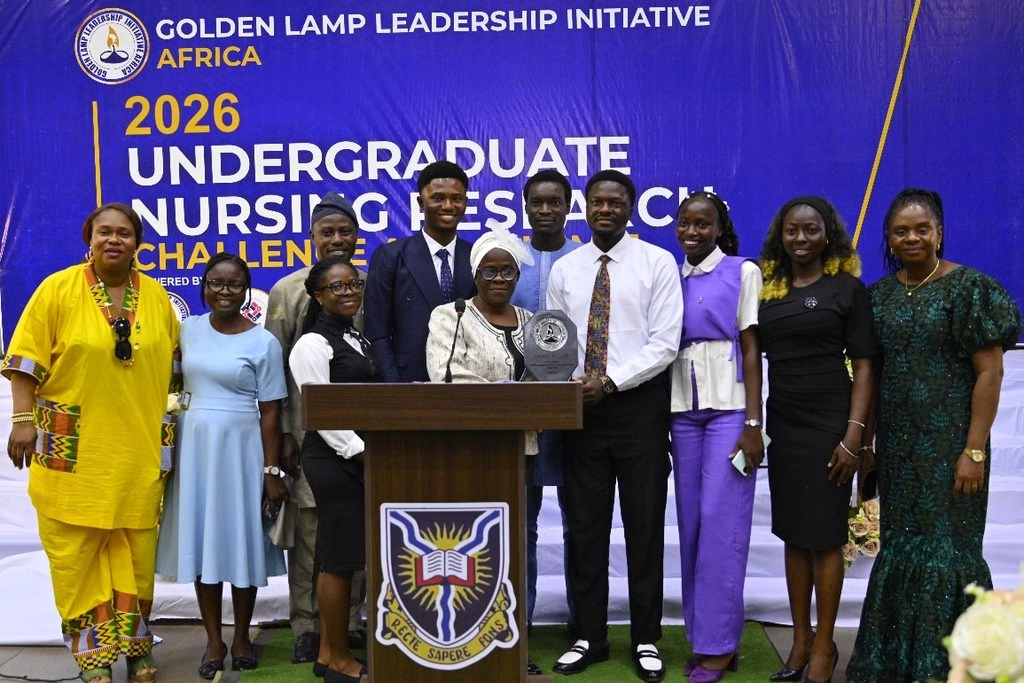
Technology Cannot Replace Compassion, Says NMCN Governing Board Chairman
The Chairman of the NMCN Governing Board, Dr Alice Ogundele, also emphasised the importance of balancing technological advancement with the human values of nursing.
Addressing participants, she stressed that technology alone could not replace the empathy and compassion of a well-trained nurse.
She encouraged undergraduate students to recognise themselves as future researchers, innovators and leaders who would influence the direction of healthcare.
Dr Ogundele also spoke about the importance of creating opportunities for young researchers and supporting innovation within the profession.
She subsequently declared the summit officially open.
Nurses Must Become Innovators, Not Just Users of Technology — Abiola Ayilara
Nurse Abiola Ayilara, Founder of My Qura, challenged nurses to recognise their potential to lead healthcare innovation.
Sharing the journey of her organisation, formerly known as My Care Assistant, she explained that the care-focused initiative was established in 2021 and had trained more than 1,000 professionals.
Ayilara described nurses as custodians of valuable clinical knowledge and patient information.
She encouraged participants to recognise that routine nursing documentation could contribute to research, quality improvement and better patient outcomes.
Her presentation highlighted evidence-based practice, culturally sensitive healthcare tools, data analysis and technology adoption as important elements of modern nursing.
She concluded with a thought-provoking statement:
“A lamp does not decide where to shine.”
Her message encouraged nurses to take an active role in determining how knowledge and technology are applied to improving healthcare.
The summit also featured Dr Olusola Ayoola of Robotics and Artificial Intelligence Nigeria, bringing expertise from the technology sector into conversations about the future of nursing.
University of Ibadan Dean Calls for Stronger Research Culture
Earlier, Professor Prisca Adejumo welcomed participants and encouraged nursing students to develop a sustained interest in research.
She explained that research provides the foundation for evidence-based practice and helps nurses make informed decisions that improve patient outcomes.
Professor Adejumo urged students to take advantage of opportunities for mentorship, collaboration and professional development.
She also encouraged participants to build meaningful relationships with other researchers and professionals attending the summit.
Her remarks reinforced the importance of preparing nursing students not only for clinical practice but also for meaningful contributions to the development of nursing knowledge.
FNA News Engages Nursing Leaders at the Summit
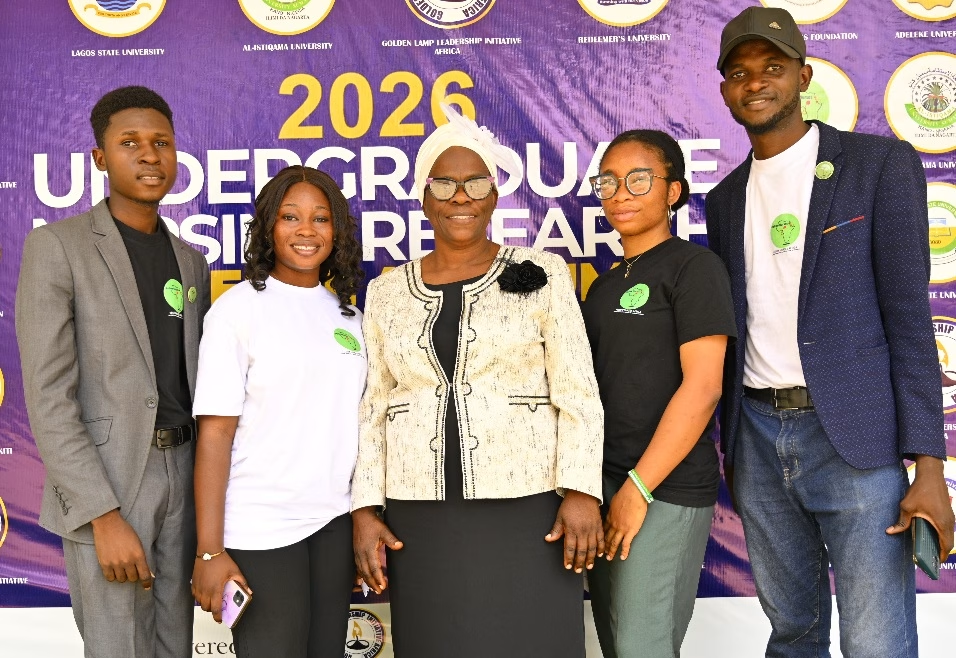
Beyond the presentations and award ceremonies, Fellow Nurses Africa (FNA News) was present to document the event and engage selected dignitaries and participants in interviews.
The coverage explored important questions surrounding nursing education, research, professional leadership and emerging opportunities in healthcare.
These conversations formed part of FNA’s wider efforts to bring professional issues into public discussion and amplify the perspectives of nurses, educators and healthcare leaders.
The summit also created opportunities for students to interact with experienced professionals and gain insights into careers involving research, leadership, technology and healthcare innovation.
Beyond Graduation: Why Undergraduate Nursing Research Matters
The significance of the GLLIA summit extends beyond the announcement of competition winners.
In many nursing institutions, research forms an essential component of undergraduate education. However, completing a research project does not automatically mean its findings will influence clinical practice or contribute to wider scientific knowledge.
Turning undergraduate research into meaningful healthcare improvements requires mentorship, access to research tools, ethical guidance and opportunities to share findings.
It also requires stronger links between universities, hospitals and policymakers.
For Nigerian nursing education, this presents an opportunity to encourage students to investigate real problems affecting patients, healthcare workers and communities.
Research into patient safety, infection prevention, maternal health, nursing workforce challenges and healthcare technology could offer valuable insights into improving care.
However, promising findings need appropriate evaluation, dissemination and implementation before they can make a difference in practice.
The growing availability of artificial intelligence presents further opportunities, but it also places greater responsibility on institutions to teach students how to use emerging technologies safely and ethically.
The challenge is no longer simply to encourage nursing students to conduct research. It is to create an environment where worthwhile research can lead to measurable improvements in patient care.
A Celebration of Excellence and a Challenge for the Future
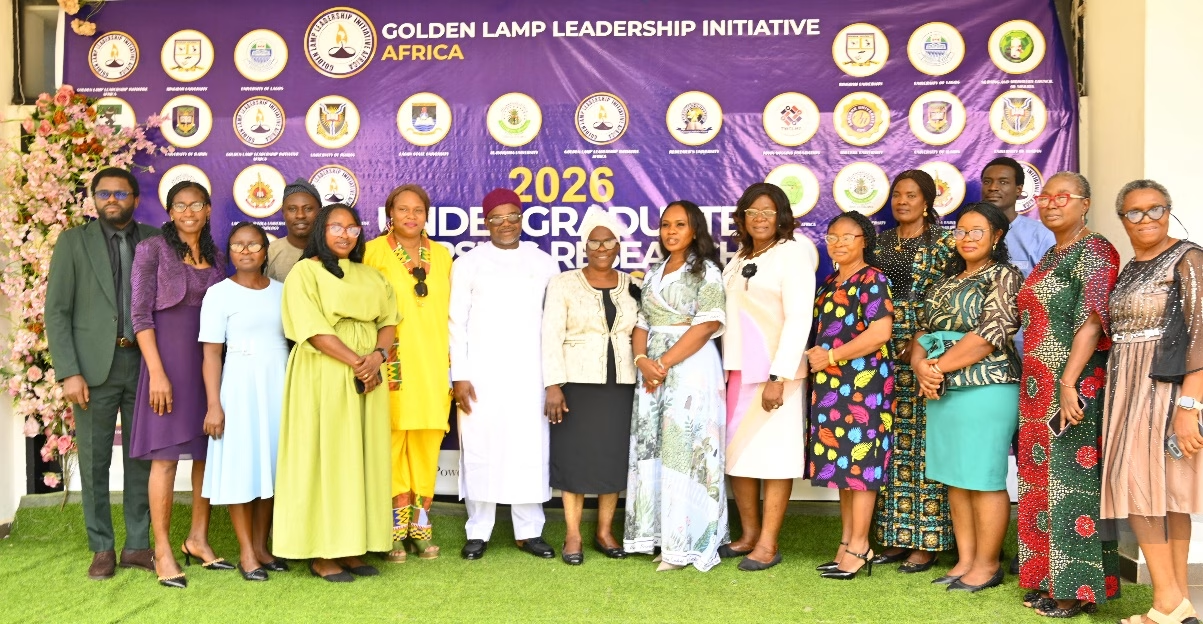
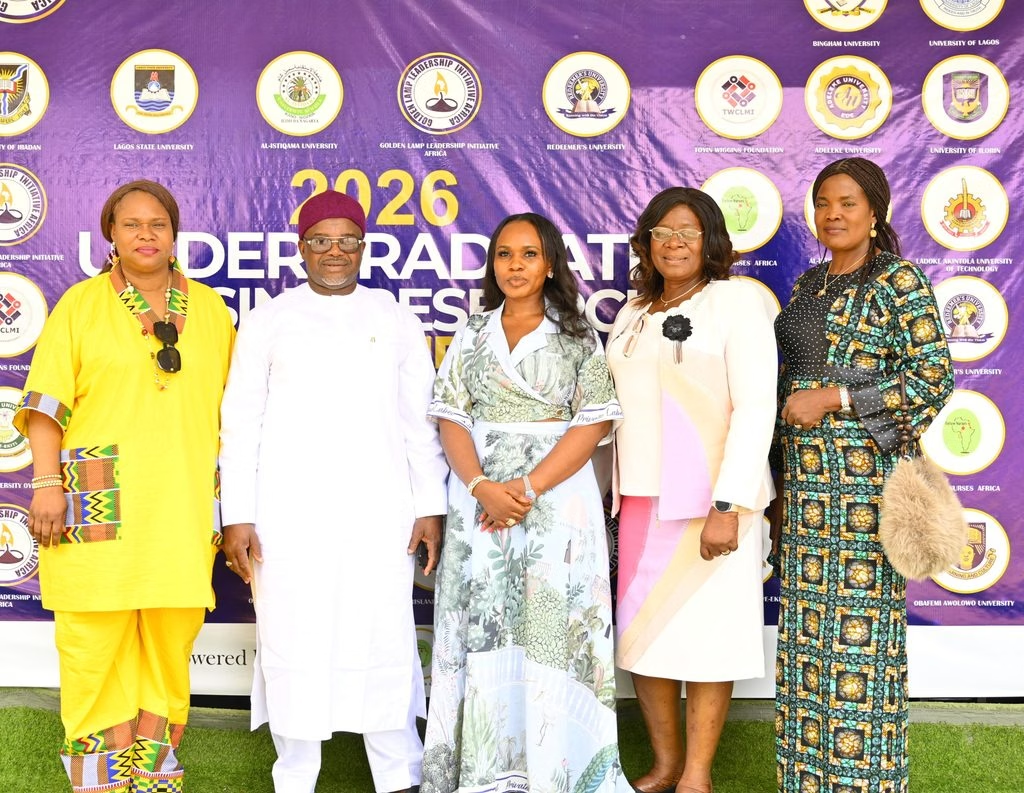
The 2026 GLLIA Undergraduate Nursing Research Challenge and Summit concluded with a vote of thanks delivered by Professor Adejumo, followed by a closing prayer and group photographs.
For the students recognised, it was an opportunity to celebrate months of academic work and dedication.
For the nursing leaders honoured, the awards recognised their contributions to the advancement of the profession.
And for the wider nursing community, the summit renewed an important conversation about the future of nursing education in Nigeria.
As research, artificial intelligence and other technologies continue to reshape healthcare, the need for nurses who can think critically, investigate problems and translate evidence into practice will become increasingly important.
The achievements of the young researchers offer an encouraging reminder that the next generation of nursing innovators is already emerging.
The next important breakthrough in Nigerian nursing may not begin in a sophisticated research laboratory. It could begin with an undergraduate student asking a simple but important question about patient care.
👉 Join Fellow Nurses Africa on WhatsApp
Fellow Nurses Africa is the independent voice of African nursing, we educate, inform and support nurses across Africa.

Kehinde Oluwatosin is one of the many editors here at Fellow Nurses Africa and fellownurses.com.
He is a registered nurse with a Master of Science degree in healthcare leadership from the University of Hull, United Kingdom. Kehinde is passionate about advancing the nursing profession across Africa. As Co-Founder of Fellow Nurses Africa, he plays a key role in shaping editorial direction, ensuring our content educates, informs, and empowers nurses continent-wide.
With expertise in leadership, patient flow, and healthcare operations, Kehinde brings valuable insights to nursing news, career development, and policy discussions. He is committed to amplifying the voice of African nurses and driving positive change in the profession.