
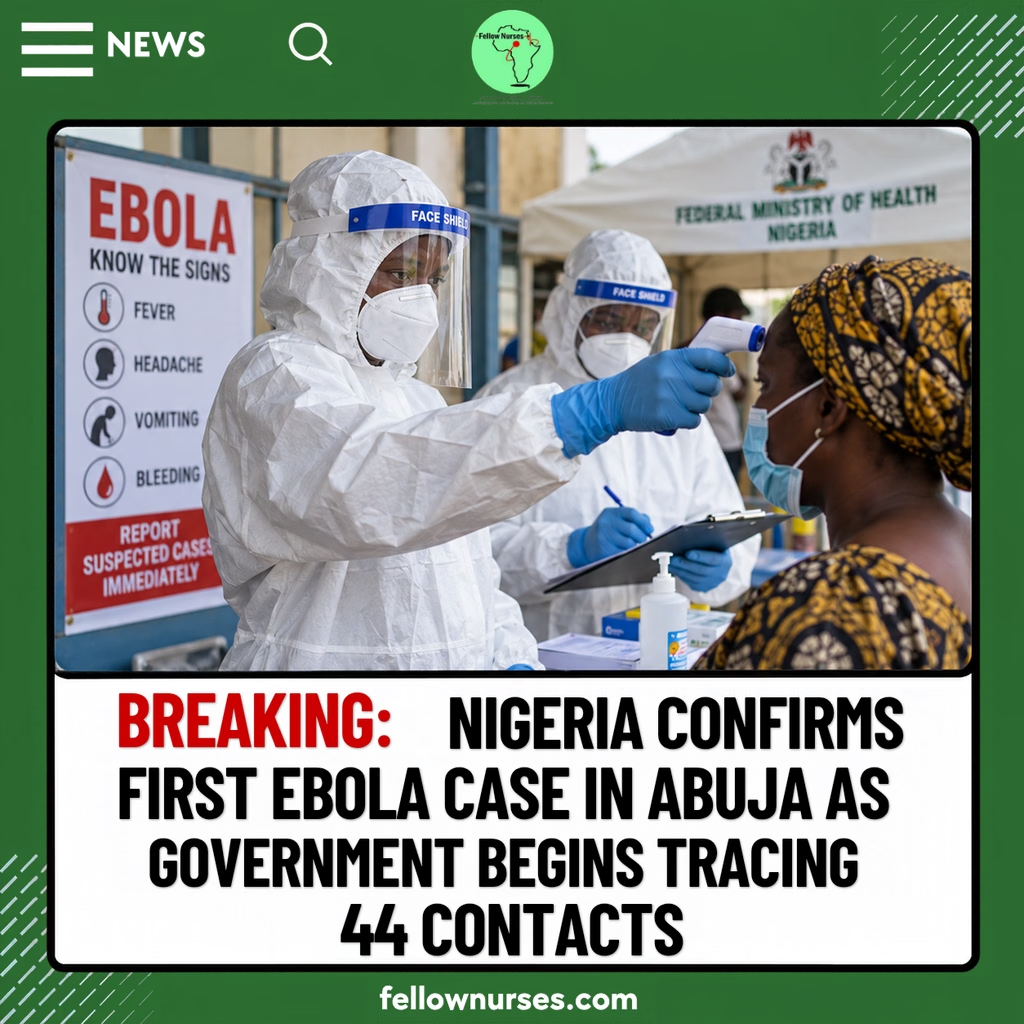
Nigeria Confirms First Ebola Case in Abuja as Government Begins Tracing 44 Contacts
Abuja, 20 October 2026 — Nigeria’s federal government has confirmed its first case of Ebola disease in the Federal Capital Territory (FCT), Abuja, and has begun contact tracing of 44 people.
The Coordinating Minister of Health and Social Welfare, Prof. Muhammad Ali Pate, announced the laboratory-confirmed case in a statement issued on Tuesday. The patient is a woman who recently arrived in Nigeria on an international flight from Uganda. She was admitted to a private hospital in Abuja, where she received treatment for several days before tests confirmed the infection. She is now in isolation and receiving medical care.
Health authorities have identified 44 close contacts so far. These include healthcare workers, patients, caregivers, and people linked through travel. Teams from the Federal Ministry of Health, the Nigeria Centre for Disease Control and Prevention (NCDC), and the FCT Health Services Secretariat are working to monitor these contacts and identify any others who may have been exposed. The hospital where the woman was treated is receiving support to strengthen infection prevention and control.
The confirmation comes amid a major regional outbreak. The Democratic Republic of the Congo is experiencing a large Bundibugyo virus outbreak, with more than 9,400 confirmed cases and over 4,500 deaths reported as of mid-October 2026, according to health agencies. Uganda earlier reported cases that have since been declared over, while Kenya has recorded several imported cases linked to the same regional activity. Africa CDC has described the current outbreak as one of the most geographically widespread Ebola events on record.
Nigeria last faced Ebola in 2014, when the virus was introduced by a Liberian-American traveller, Patrick Sawyer, who arrived in Lagos on 20 July. That outbreak resulted in 20 confirmed cases and eight deaths, including the index case. Among those who died were healthcare workers, notably Dr Ameyo Adadevoh, who helped prevent wider spread by restricting the movement of the first patient. The World Health Organization declared Nigeria free of Ebola on 20 October 2014 after intensive contact tracing and isolation efforts. No further cases have been recorded in the country until now.
Minister Pate has urged the public to remain calm while practising basic preventive measures, including regular handwashing and avoiding contact with the body fluids of anyone who may be infected. Healthcare facilities across the country have been placed on high alert. Authorities have stressed that early detection, isolation, and contact tracing remain the most effective tools for containing the virus, drawing on lessons from the 2014 response.
The current case is being treated as an imported infection. Public health teams are strengthening surveillance at points of entry while continuing active tracing. Officials have appealed for reliance on verified information from the Ministry of Health and the NCDC to avoid the spread of rumours or stigma.
SEO Elements
Meta Description (155–160 characters)
Nigeria confirms first Ebola case in Abuja. A woman who arrived from Uganda is in isolation as authorities begin tracing 44 contacts. Full details and regional context.
Primary Keywords / Phrases
- Ebola case Abuja
- Nigeria Ebola 2026
- Abuja Ebola confirmed
- Ebola contact tracing Nigeria
- Muhammad Ali Pate Ebola
- Ebola outbreak Africa 2026
- Nigeria Ebola history 2014
- Bundibugyo virus Nigeria
URL Slug
/nigeria-confirms-first-ebola-case-abuja-44-contacts-traced
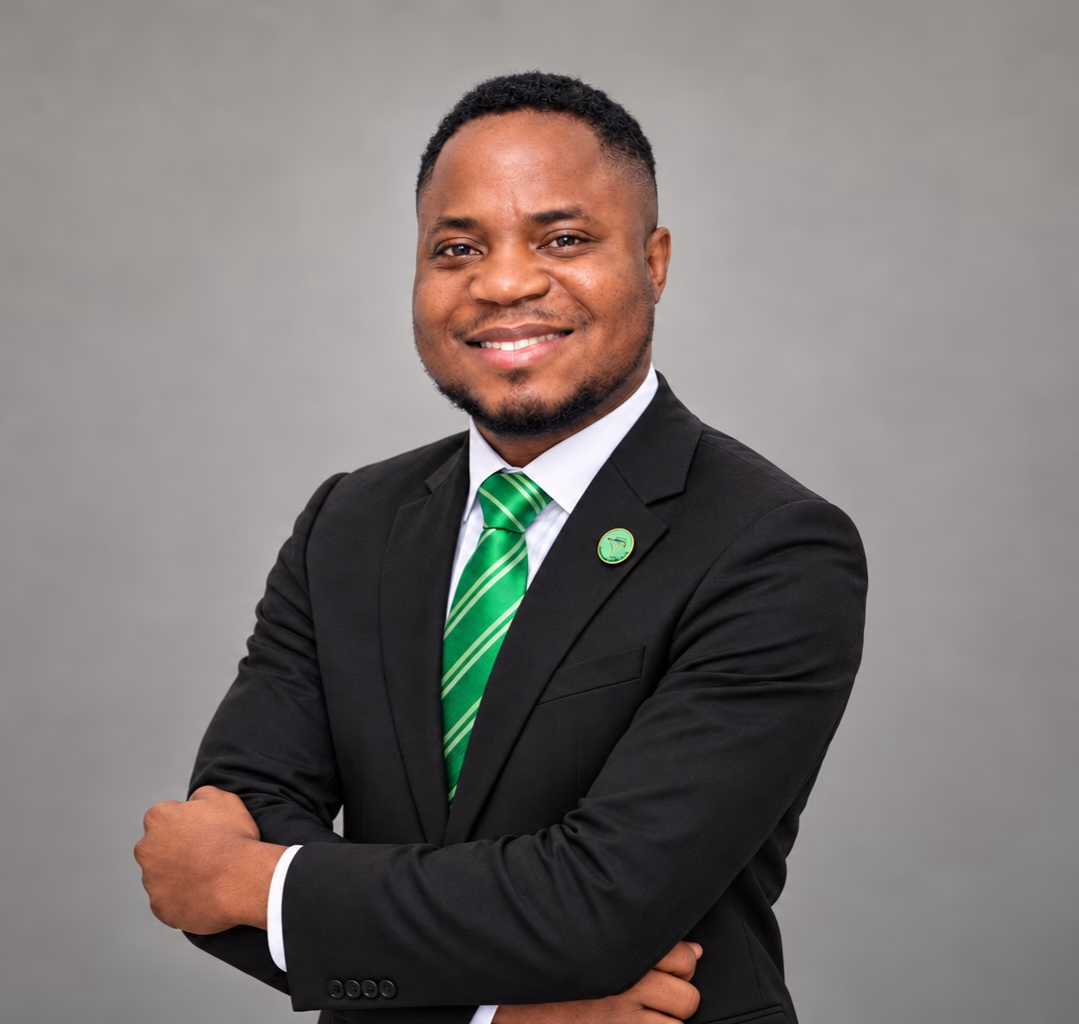
Kehinde Oluwatosin is one of the many editors here at Fellow Nurses Africa and fellownurses.com.
He is a registered nurse with a Master of Science degree in healthcare leadership from the University of Hull, United Kingdom. Kehinde is passionate about advancing the nursing profession across Africa. As Co-Founder of Fellow Nurses Africa, he plays a key role in shaping editorial direction, ensuring our content educates, informs, and empowers nurses continent-wide.
With expertise in leadership, patient flow, and healthcare operations, Kehinde brings valuable insights to nursing news, career development, and policy discussions. He is committed to amplifying the voice of African nurses and driving positive change in the profession.
 ✓
Did you know that we're the accredited ReMar NCLEX Training Centre in Nigeria with Prof. Regina Callion?
Prepare and pass your NCLEX-RN / NCLEX-PN with official ReMar Review curriculum, Regina Callion video lectures, Quick Facts, and dedicated clinical mentorship right here in Nigeria.