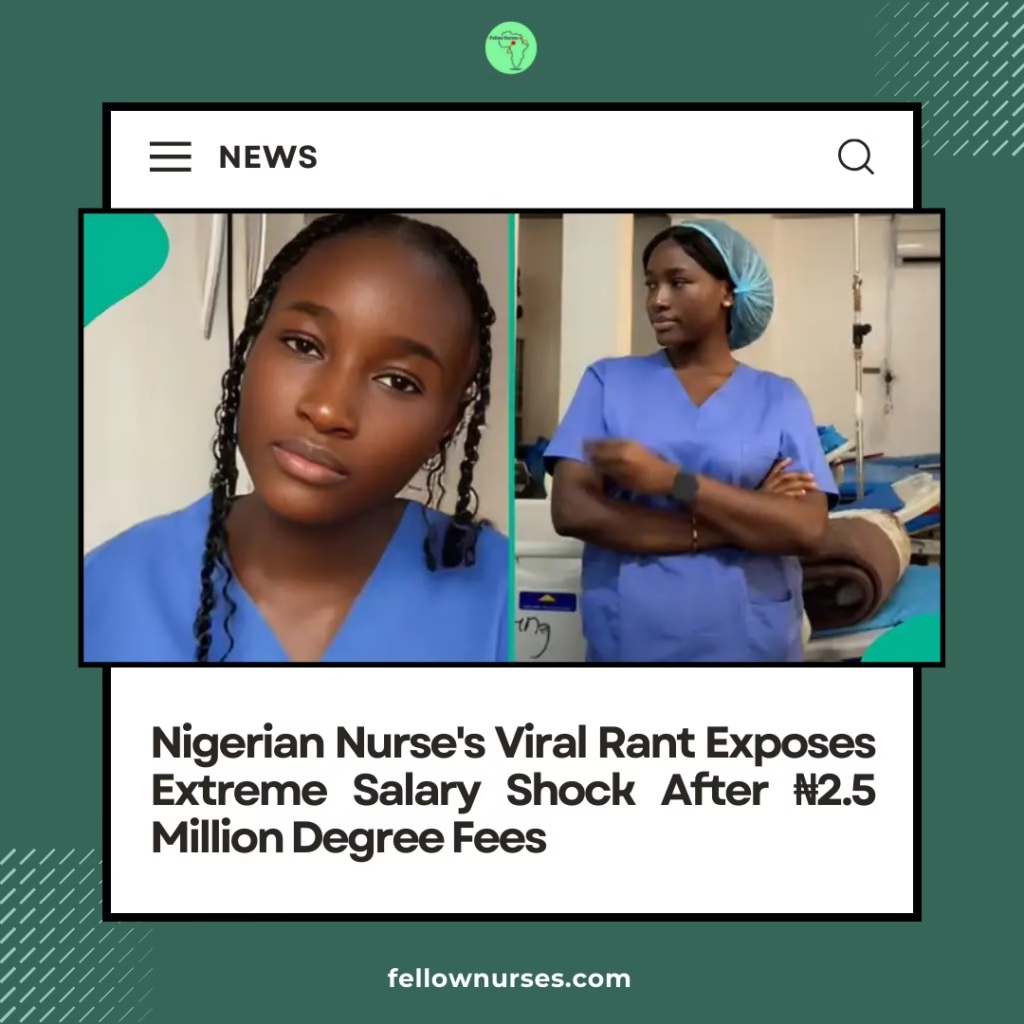
A Nigerian nurse has gone viral on TikTok after sharing frustration over low salaries in the profession despite high education costs.
The nurse, known as @melaningoddess115, posted a video criticising the pay offered to new graduates.
She said students in private universities pay up to ₦2.5 million per session to study nursing.
After five years and graduation, some are offered salaries as low as ₦50,000.
She said this discourages qualified nurses from practising in Nigeria.
Many with master’s degrees choose not to work in the field due to poor pay.
The nurse said low wages allow unqualified workers, often called “quacks”, to take roles because they accept lower pay.
She urged patients to be careful when choosing healthcare facilities.
She said people can recognise substandard places by staff dressing and behaviour.
The video has sparked online debate about nursing wages and healthcare quality in Nigeria.
🔗 Join our WhatsApp channel for real-time updates on nurse welfare and healthcare issues in Nigeria
Fellow Nurses Africa is the independent voice of African nursing. We educate, inform and support nurses across Africa.

Charles Wealth is an accomplished healthcare administrator with decades of hands-on experience across various healthcare organizations in Nigeria and beyond. Known for his strategic leadership, operational excellence, and deep commitment to advancing the nursing profession, Charles brings a wealth of expertise to healthcare management, policy, and professional development.
As a co-founder and Editor at Fellow Nurses Africa, he plays a pivotal role in shaping content that educates, inspires, and unites nurses across the continent. His editorial vision focuses on amplifying the voices of nurses, highlighting best practices, addressing contemporary challenges in healthcare, and promoting professional growth within the nursing community.
With a strong background in healthcare administration, Charles is passionate about bridging the gap between clinical practice and effective leadership. He continues to contribute significantly to the development of robust healthcare systems and the empowerment of nurses through knowledge sharing and advocacy.