
Nigeria’s House of Representatives calls for expanded internship places for nursing and allied health graduates
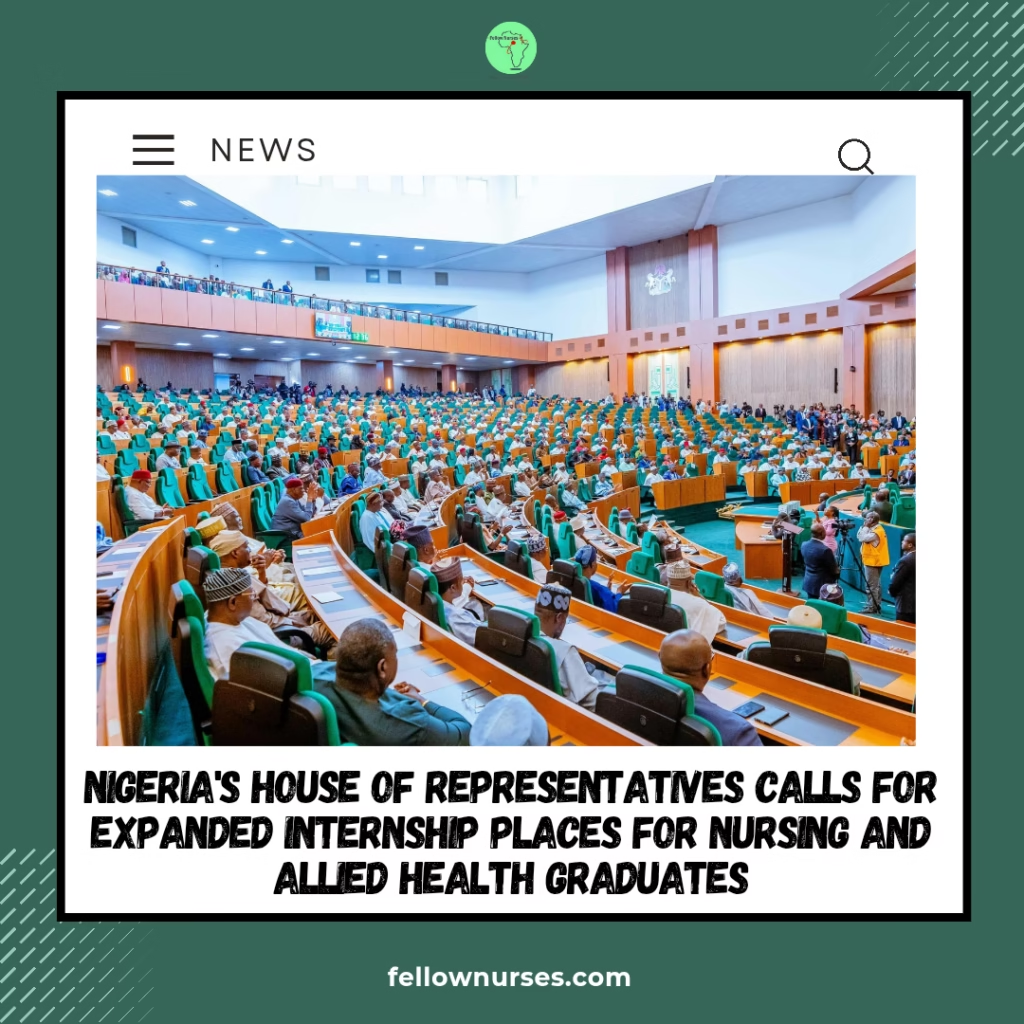
Abuja, 16 December 2025 – Nigeria’s lower house of parliament has passed a resolution urging regulatory bodies and government ministries to significantly increase internship opportunities for graduates in nursing, midwifery, radiography, pharmacy and other allied health professions.
The motion, moved by Harrison Nwadike, a lawmaker from Imo State, was adopted unanimously during Tuesday’s plenary session. It highlights a longstanding shortage of placement slots, which lawmakers say is contributing to delays in professional licensing, exploitation of graduates and an exodus of talent from the country’s health sector.
👉 Join our Whatsapp channel Here
Under current regulations, graduates in these disciplines must complete a one-year supervised internship before receiving full licences to practise. Unlike medical doctors, whose placements are centrally coordinated, most allied health graduates must secure positions independently, leading to intense competition for limited spots in public hospitals.
Mr Nwadike told the House that between 10,000 and 15,000 graduates are left without placements each year, exposing them to risks including financial and sexual exploitation, as well as exclusion from the mandatory National Youth Service Corps scheme.
He cited a recent case in which more than 600 nursing graduates competed for just 35 internship positions at a federal health institution in the capital.
The resolution directs regulatory councils – including the Nursing and Midwifery Council of Nigeria and the Pharmacists Council of Nigeria – to take responsibility for centrally allocating interns to accredited facilities.
It also calls on the Federal Ministry of Health to develop a national online portal for matching graduates to placements and to increase funding for internship programmes. The Ministry of Budget and Planning has been urged to raise allocations to tertiary hospitals to accommodate all eligible candidates.
Parliamentary committees on health have been tasked with monitoring implementation and reporting back within four weeks.
The move has been welcomed by some in the health sector as a step towards addressing chronic understaffing and retaining skilled professionals amid widespread migration abroad.
👉 Join our Whatsapp channel Here
Fellow Nurses Africa is the independent voice of African nursing, we educate, inform and support nurses across Africa

Kehinde Oluwatosin is one of the many editors here at Fellow Nurses Africa and fellownurses.com.
He is a registered nurse with a Master of Science degree in healthcare leadership from the University of Hull, United Kingdom. Kehinde is passionate about advancing the nursing profession across Africa. As Co-Founder of Fellow Nurses Africa, he plays a key role in shaping editorial direction, ensuring our content educates, informs, and empowers nurses continent-wide.
With expertise in leadership, patient flow, and healthcare operations, Kehinde brings valuable insights to nursing news, career development, and policy discussions. He is committed to amplifying the voice of African nurses and driving positive change in the profession.