
Fellow Nurses Africa | Lagos, Nigeria | 13 October, 2025
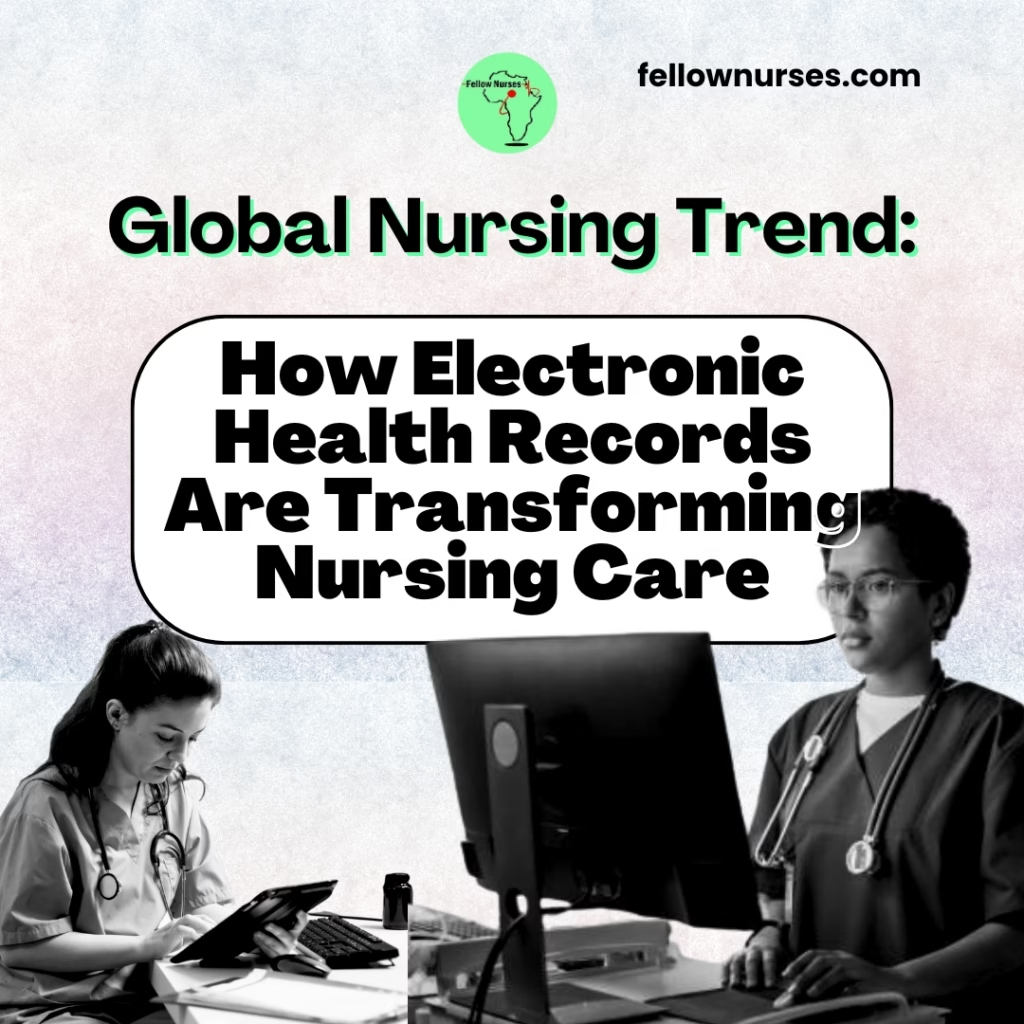
In today’s fast-evolving healthcare landscape, Electronic Health Records (EHRs) have become one of the most significant innovations reshaping nursing practice across the globe.
What once lived in stacks of handwritten charts and folders is now securely stored in digital systems accessible from a simple screen, changing how nurses document, communicate, and deliver care.
What Are EHRs?
Electronic Health Records are digital versions of a patient’s paper chart, containing comprehensive information such as medical history, diagnoses, medications, immunizations, lab results, and nursing notes.
Unlike traditional records, EHRs are real-time, accessible, and shareable among authorized healthcare professionals — improving continuity and coordination of care.
Why It Matters for Nurses
For nurses, the introduction of EHRs has brought both efficiency and empowerment:
-No more deciphering unclear handwriting or missing files. EHRs ensure clear, legible, and accurate documentation.
-
Data can be accessed by multidisciplinary teams instantly, allowing faster decision-making and fewer errors.
-
Built-in alerts for allergies, drug interactions, or abnormal results help prevent potential harm.
-
Nurses can track patterns, outcomes, and patient progress, contributing to evidence-based practice and research.
Global Adoption & Challenges
High-income countries have already made significant progress with national EHR systems, while many developing nations are still in transition owing to factors such as poor internet access, lack of training, and cost of digital infrastructure remain barriers.
However, global initiatives , especially by the World Health Organization (WHO) and International Council of Nurses (ICN), are helping bridge this gap through funding, digital literacy programs, and policy reforms.
The Challenges Nurses Face
Despite its benefits, many nurses report feeling “tech fatigue”. Documentation time has increased in some settings, with EHR systems requiring multiple clicks and checkboxes that can distract from patient interaction. Others worry about data privacy, fearing unauthorized access or breaches of sensitive health information.
These concerns highlight the need for nurse-centered EHR designs that balance efficiency, security, and usability.
As healthcare becomes more data-driven, nurses are no longer just caregivers; they are also digital stewards of patient information.
EHR is here to stay!
To thrive in this transformation, nursing education and hospitals must continue to:
-
Provide ongoing digital literacy training.
-
Involve nurses in EHR design and policy discussions.
-
Advocate for equitable access to technology worldwide.
Do you think EHRs make nursing easier or more stressful? Join the conversation and share your experience in the comments below.
Fellow Nurses Africa is the independent voice of African Nurses. We educate, inform and support the nursing profession.

Kehinde Oluwatosin is one of the many editors here at Fellow Nurses Africa and fellownurses.com.
He is a registered nurse with a Master of Science degree in healthcare leadership from the University of Hull, United Kingdom. Kehinde is passionate about advancing the nursing profession across Africa. As Co-Founder of Fellow Nurses Africa, he plays a key role in shaping editorial direction, ensuring our content educates, informs, and empowers nurses continent-wide.
With expertise in leadership, patient flow, and healthcare operations, Kehinde brings valuable insights to nursing news, career development, and policy discussions. He is committed to amplifying the voice of African nurses and driving positive change in the profession.