
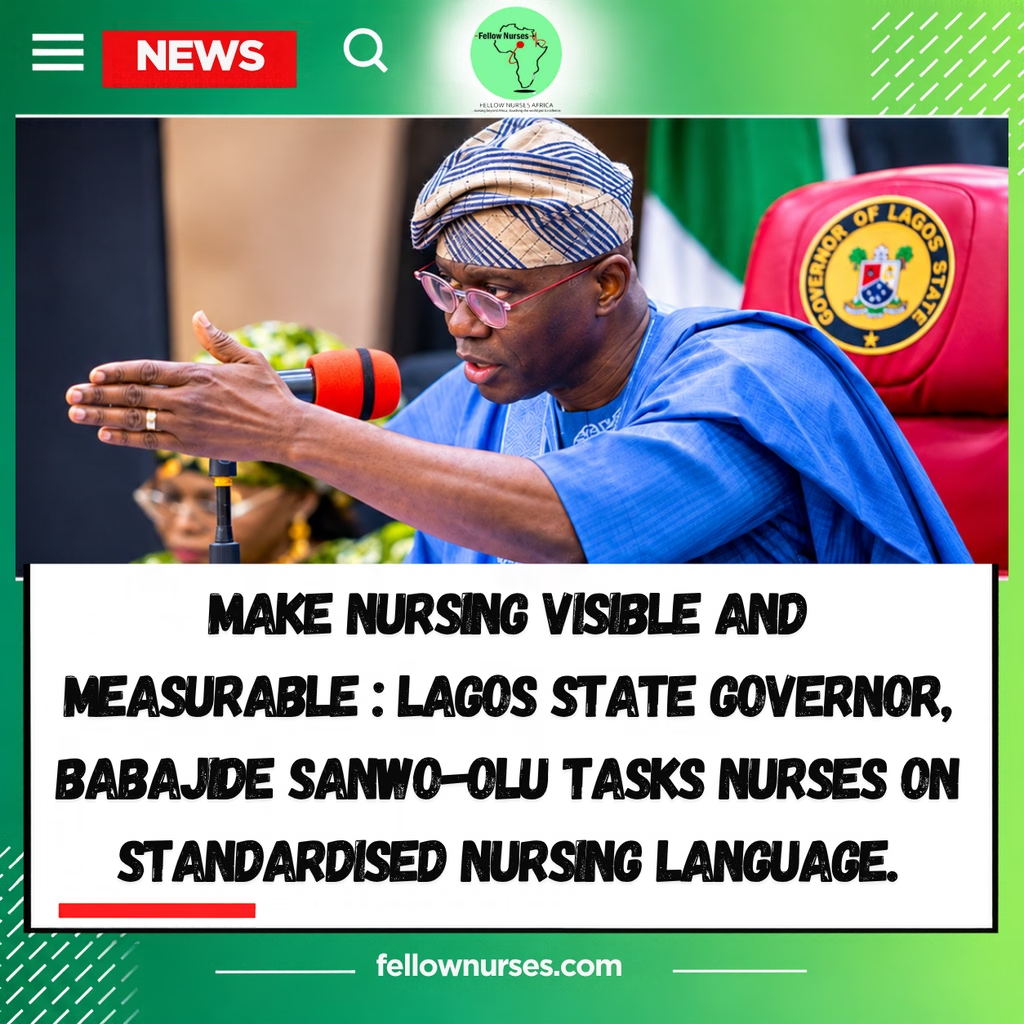
Make Nursing Visible and Measurable — Sanwo-Olu Tasks Nurses at ASSNL EKO 2026
FNA News | Lagos Nigeria |10th October, 2026.
Lagos State Governor Babajide Sanwo-Olu has charged nurses to make their contributions visible and measurable, declaring that nursing care must be properly documented and coded if it is to influence policy and improve patient outcomes.
The call was delivered by his Special Adviser on Health, Dr Kemi Ogunyemi, at the 6th Biennial Scientific Conference of the Association for the Study of Standardised Nursing Languages (ASSNL), held from 5 to 9 October at the Nigeria Army College of Nursing, Yaba Lagos, Nigeria.


The conference opened with a beautiful and lively ceremony that featured traditional cultural dances, short drama presentations celebrating the journey of nursing care, and keynote speeches. The vibrant atmosphere set the tone for five days of high-level discussions that brought together leaders in nursing practice, academia, policymakers, regulators, digital health experts and senior clinicians from across Nigeria.


Speaking to a Fellow Nurses Africa correspondent on the sidelines of the conference, Dr Ogunyemi framed the challenge in clear terms.
“If it is not documented, it didn’t happen. If it is not coded, it cannot be counted,” she said. “We must move from teaching nursing as a set of tasks to teaching it as a science. Standardised nursing language means consistency and safety.”
She argued that the future of healthcare in Lagos and Nigeria is digital, and that electronic medical records (EMRs) without standardised nursing languages remain limited. “An EMR without standardised nursing language is just a digital version of medical notes. But an EMR powered by standardised nursing language becomes intelligent — it triggers alerts, generates care plans, supports decision-making and produces data that shows policymakers that investing in nursing reduces mortality.”
Dr Ogunyemi added that there can be no meaningful artificial intelligence in nursing without standardised nursing languages. Under Governor Sanwo-Olu’s administration, Lagos State has committed to embedding these languages into the curriculum of all state-owned nursing institutions. “Let’s make nursing visible and measurable,” she told the audience of nursing leaders and educators.
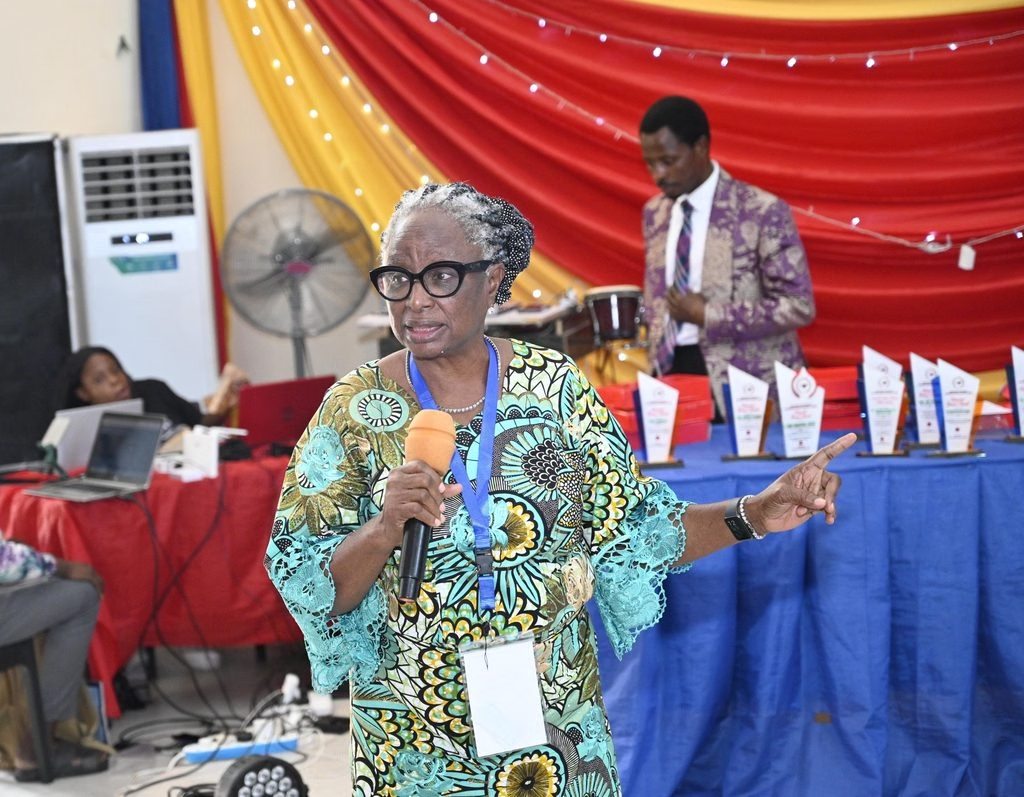
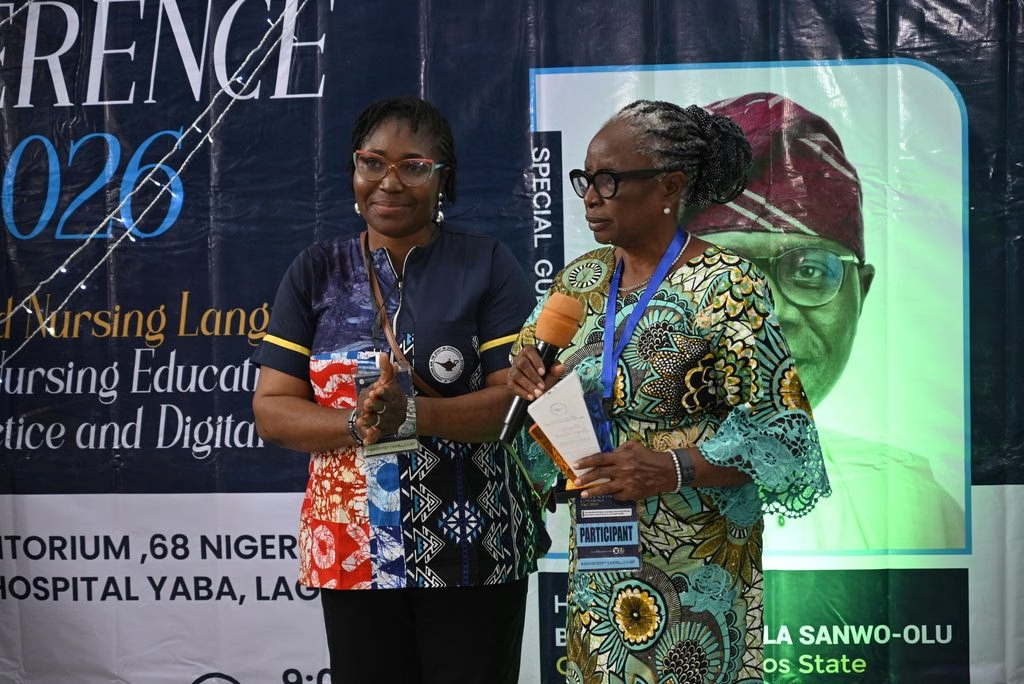
ASSNL President, Professor Olaide Bamidele Edet — Professor of Public/Community Health Nursing at the University of Calabar and Chairman of the Governing Council of the Lagos State College of Nursing (LASCON) — described standardised nursing languages as the foundation for making nursing care visible, consistent and measurable within Nigeria’s emerging digital health system.
Speaking to Fellow Nurses Africa, Professor Edet explained that the languages are not merely tools for writing care plans. They systematically document the care nurses provide, the interventions they implement and the outcomes they achieve. This, she said, strengthens five critical dimensions: consistent documentation, reliable exchange of information, greater visibility of nursing’s contribution, quality improvement, and research.
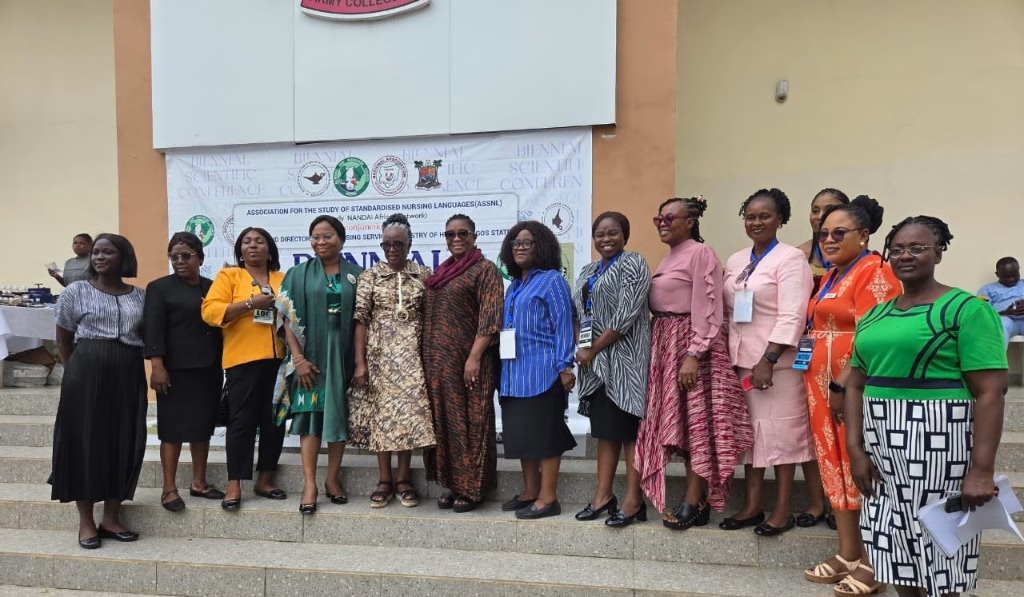
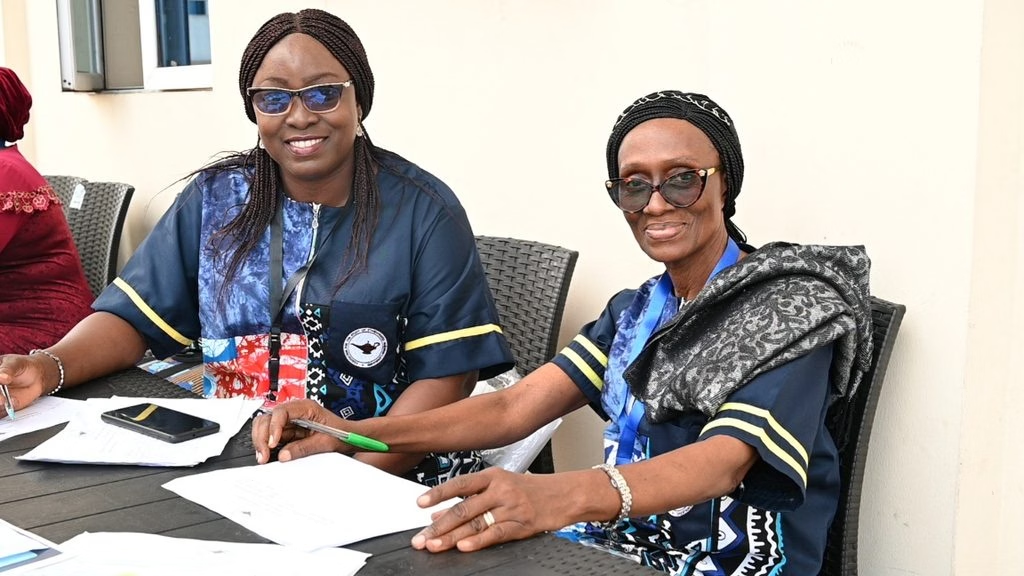
In her keynote address, Pioneer President of ASSNL, Professor Adenike Ayobola Olaogun of Obafemi Awolowo University, Ile-Ife (also Dean of the Faculty of Allied Health Sciences at the Federal University of Medicine and Medical Sciences, Abeokuta), traced the organisation’s journey. Originally the NANDA International African Network (Nigerian branch), the group expanded to include the Nursing Interventions Classification (NIC) and Nursing Outcomes Classification (NOC). This broader approach led to its evolution into the Association for the Study of Standardised Nursing Languages.
Professor Olaogun noted that the Nursing and Midwifery Council of Nigeria has already integrated standardised nursing languages into all nursing curricula, while the association has developed electronic versions of standardised nursing care plans. “The ultimate goal of nursing is to care for clients. The global tool for nursing is the nursing process. Nurses must understand the knowledge base of their profession,” she told Fellow Nurses Africa.
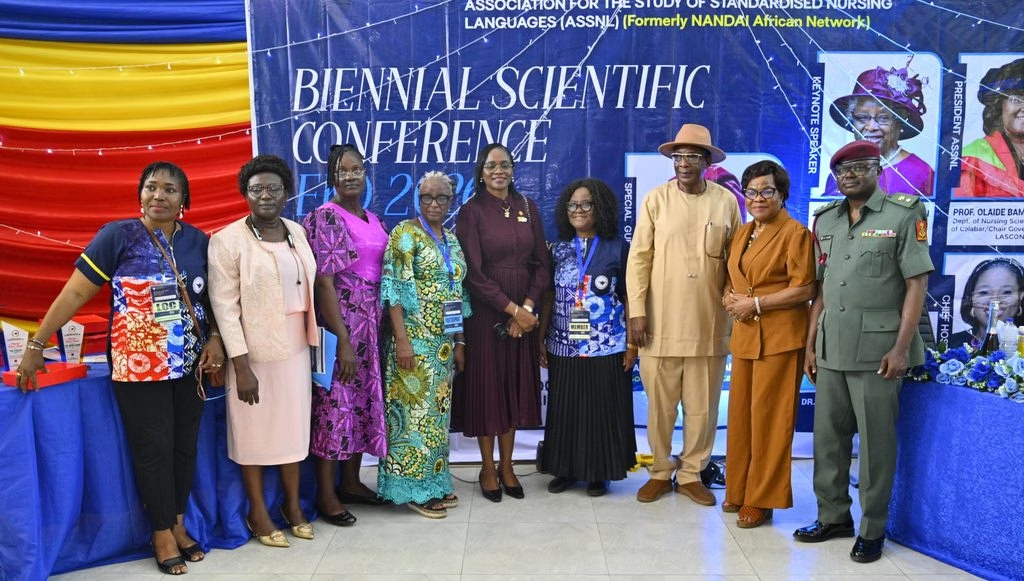
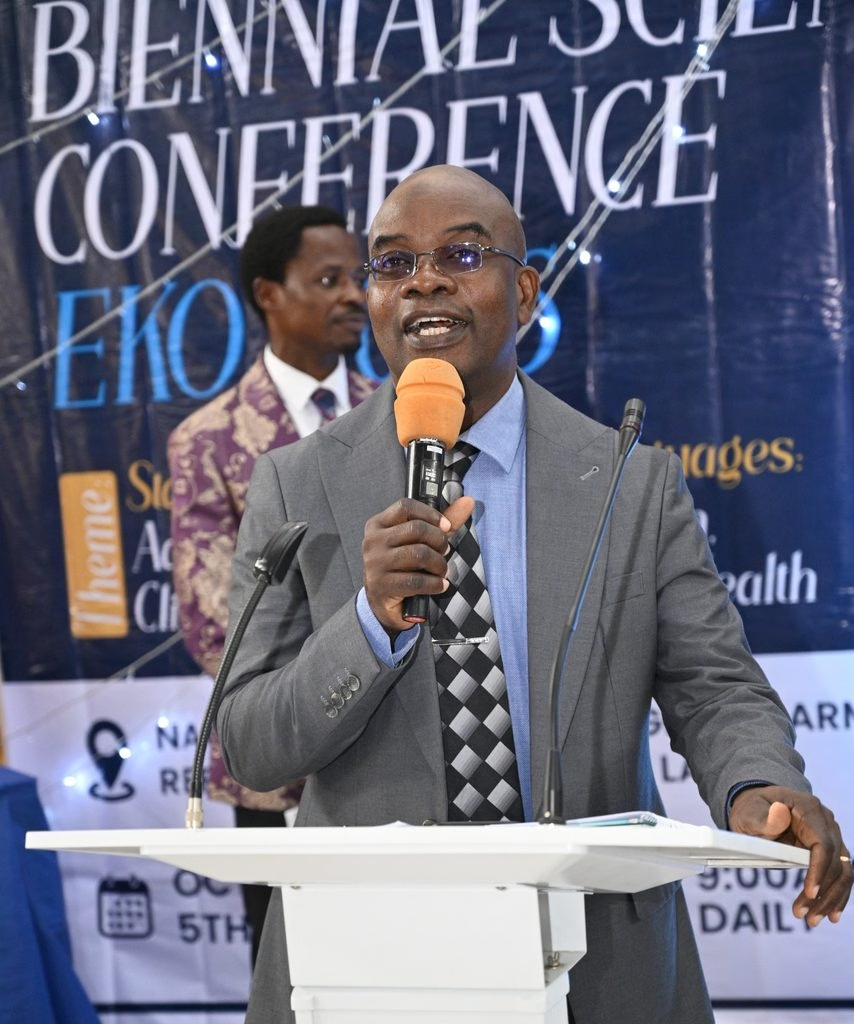
The association has deliberately moved its biennial conferences across the country — from Ile-Ife to Ibadan, Abuja, Calabar and now Lagos — with the goal of building capacity among clinicians and educators and positioning itself as an integral part of Nigeria’s digital health ecosystem.
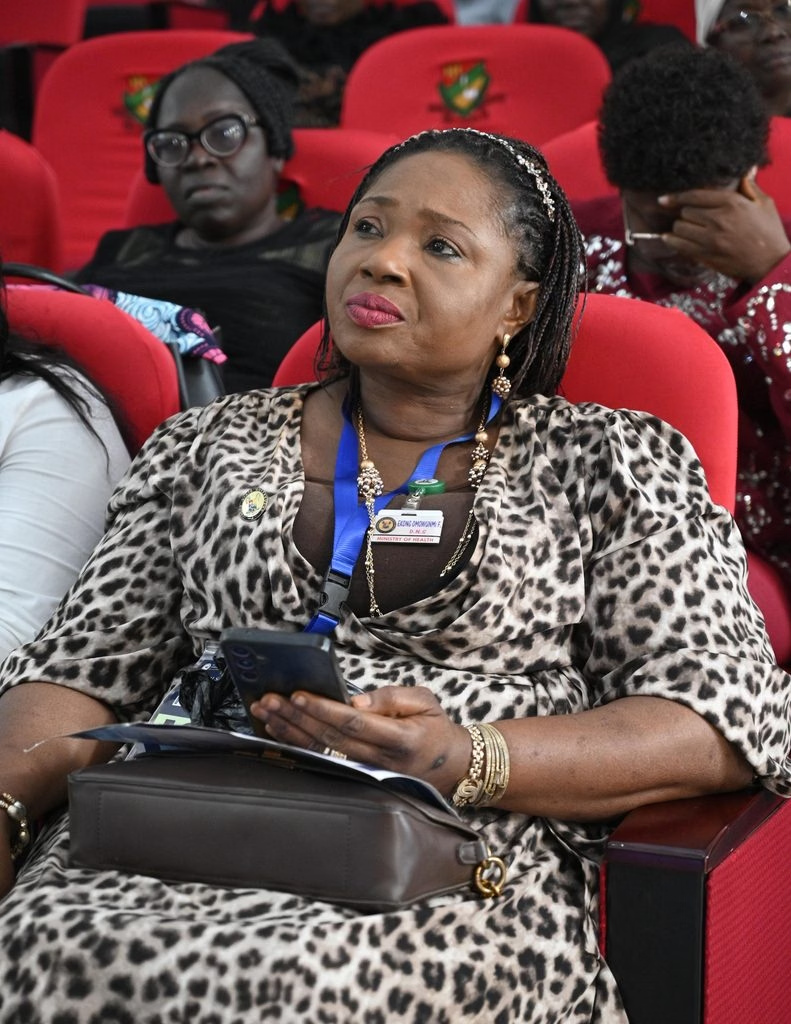
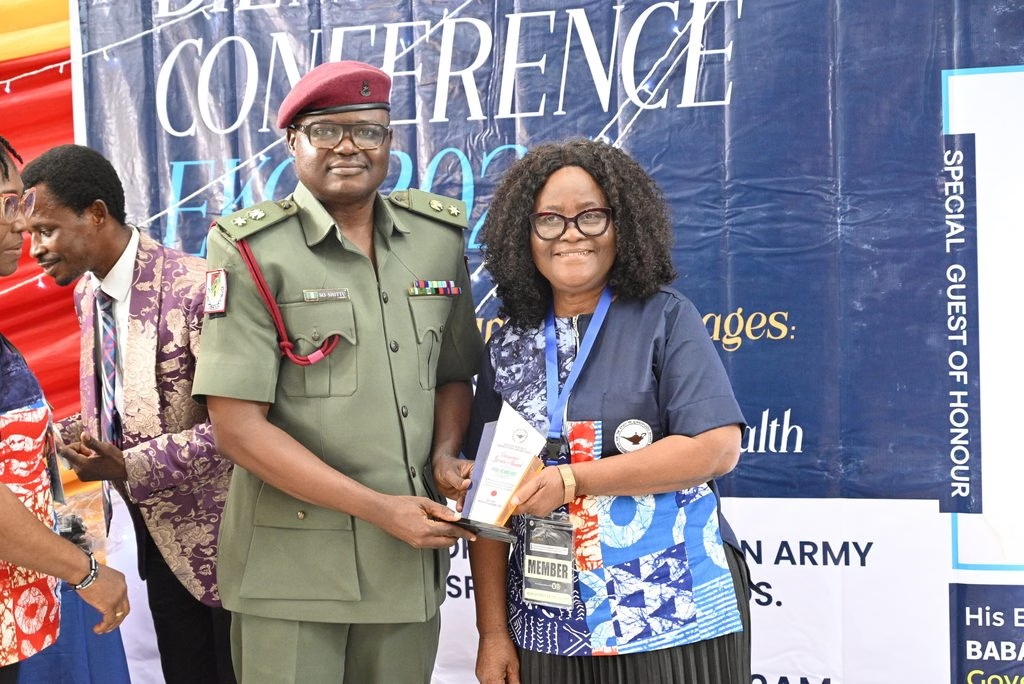
From the colourful opening ceremony of traditional dances and drama to the keynote speeches and technical sessions that followed, the conference underscored a powerful consensus among nursing leaders, academics and policymakers: for nursing to shape health policy, attract sustained investment and drive better outcomes in the digital age, its work must no longer remain invisible. It must be documented, coded, counted — and measured.
👉 Join Fellow Nurses Africa on WhatsApp
Fellow Nurses Africa is the independent voice of African nursing, we educate, inform and support nurses across Africa.

Kehinde Oluwatosin is one of the many editors here at Fellow Nurses Africa and fellownurses.com.
He is a registered nurse with a Master of Science degree in healthcare leadership from the University of Hull, United Kingdom. Kehinde is passionate about advancing the nursing profession across Africa. As Co-Founder of Fellow Nurses Africa, he plays a key role in shaping editorial direction, ensuring our content educates, informs, and empowers nurses continent-wide.
With expertise in leadership, patient flow, and healthcare operations, Kehinde brings valuable insights to nursing news, career development, and policy discussions. He is committed to amplifying the voice of African nurses and driving positive change in the profession.