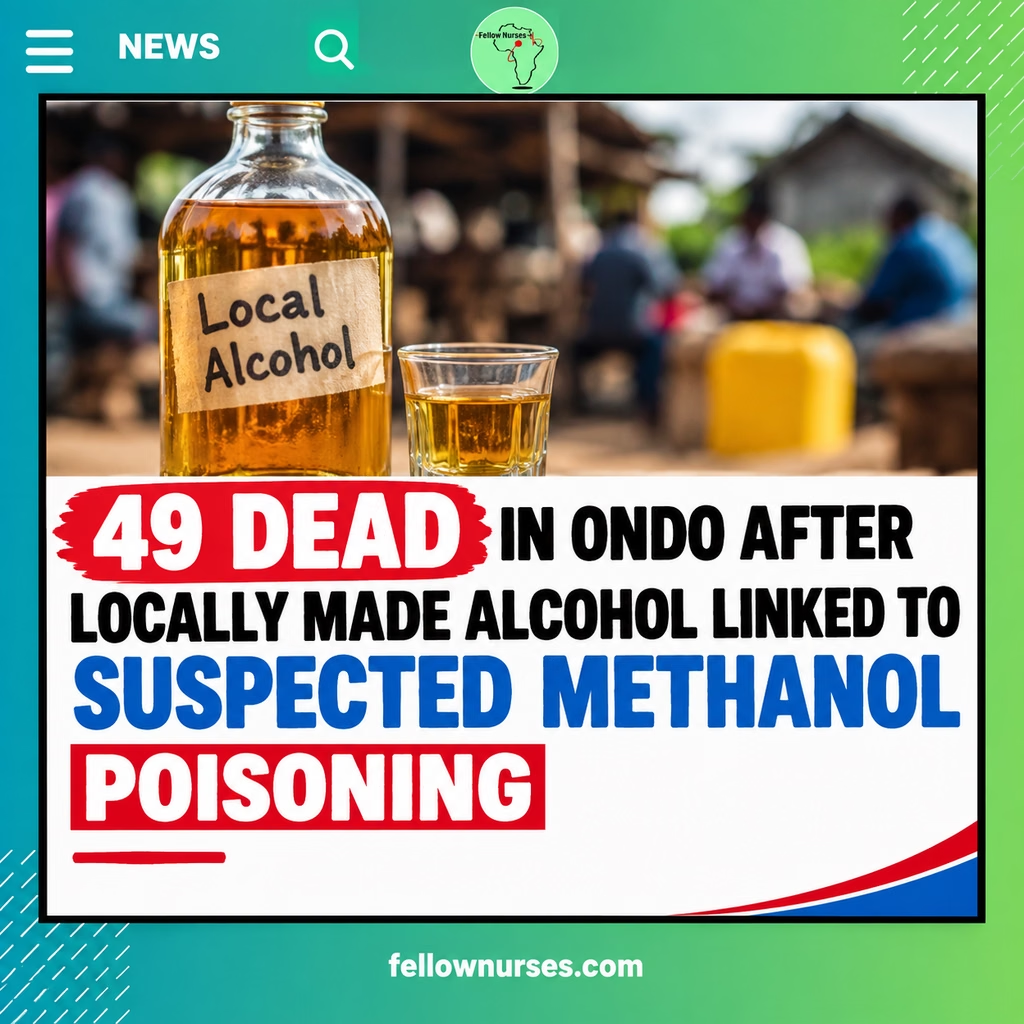
49 Dead in Ondo After Locally Made Alcohol Linked to Suspected Methanol Poisoning
FNA NEWS, 18th Of SEPTEMBER, 2026
At least 49 people have died and 182 others have been affected in Ondo State after consuming a locally produced alcoholic drink suspected by health authorities of being contaminated with methanol.
👉 Join Fellow Nurses Africa on WhatsApp
At least 49 people have died in Ondo State, south-west Nigeria, following suspected alcohol poisoning linked to a locally produced alcoholic drink.
Ondo State health authorities said on Friday, 18 September 2026, that a total of 182 people had been affected in Odigbo and Irele Local Government Areas, with many requiring hospital treatment.
The deaths are suspected to be connected to methanol poisoning, although authorities have stressed that laboratory confirmation is still awaited.
According to Ondo State Commissioner for Health, Banji Ajaka, the pattern of illness and the reported history of exposure have raised a strong epidemiological suspicion that those affected were exposed to a toxic alcoholic substance.
The incident was first reported earlier in September, with authorities initially recording 29 deaths during the first week following consumption of the suspected alcohol. The death toll has since risen to 49.
What happened in Ondo?
Authorities say the outbreak was traced to two traditional ceremonies in the Odigbo area, where guests consumed a locally produced alcoholic drink.
Residents have identified a high-alcohol herbal concoction popularly known as “Monkey Tail” as the drink suspected of being associated with the outbreak. However, health officials have not confirmed that every version of the drink is contaminated or that the product itself is definitively the source of the poisoning.
The distinction is important because investigations are continuing.
Police have also begun investigating the circumstances surrounding the deaths. Authorities said suspects have been arrested in connection with the incident, including an individual alleged to have been involved in producing substances suspected to contain methanol.
Why methanol poisoning is so dangerous
👉 Join Fellow Nurses Africa on WhatsApp
Methanol is a toxic form of alcohol that is not intended for consumption. It is used industrially in products including solvents, fuels and other chemical applications.
The danger is that methanol poisoning may not initially look like a severe poisoning.
According to the US Centers for Disease Control and Prevention’s National Institute for Occupational Safety and Health, symptoms can take between one and 72 hours to become apparent after exposure.
As the body metabolises methanol, toxic products are produced that can cause severe metabolic acidosis, damage to the optic nerve and neurological injury.
Symptoms may include:
- Headache
- Dizziness
- Nausea and vomiting
- Abdominal pain
- Confusion or altered consciousness
- Difficulty breathing
- Visual disturbances or blurred vision
- Partial or complete blindness
- Seizures
- Coma
- Kidney and other organ complications in severe poisoning
Severe methanol poisoning can ultimately result in death.
Blindness can be a warning sign
One of the most serious complications associated with methanol poisoning is damage to the visual system.
A survivor of the Ondo incident told local media that after drinking two shots of the suspected alcohol, he noticed the following day that he could no longer see.
This is consistent with the known effects of methanol toxicity. The toxic metabolites produced during methanol breakdown can damage the optic nerve, potentially resulting in permanent visual loss.
The appearance of visual symptoms following consumption of an alcoholic product should therefore be treated as a medical emergency, particularly when accompanied by headache, vomiting, abdominal pain, confusion or breathing difficulties.
Why people can deteriorate rapidly
Methanol poisoning can be deceptive because a person may initially appear relatively well.
The CDC notes that there may be a period in which symptoms are limited or absent before the poisoning becomes more severe. As toxic metabolites accumulate, metabolic acidosis can worsen and serious neurological, visual and cardiovascular complications can develop.
This delay can create a dangerous window in which an affected person may assume that they are simply experiencing the effects of alcohol.
By the time severe visual symptoms, altered consciousness or respiratory problems appear, significant toxicity may already have occurred.
What nurses and health workers should watch for
👉 Join Fellow Nurses Africa on WhatsApp
For nurses and other frontline health professionals, a history of recent consumption of locally produced alcohol may be an important clinical clue when a patient presents with unexplained neurological or visual symptoms.
A patient with suspected toxic alcohol exposure may initially present with relatively non-specific complaints such as headache, dizziness, nausea or weakness.
As toxicity progresses, clinicians may encounter:
- Visual impairment
- Altered level of consciousness
- Severe metabolic acidosis
- Rapid breathing
- Hypotension
- Seizures
- Coma
- Evidence of organ dysfunction
A careful exposure history is therefore important, particularly during an outbreak involving several people from the same community or event.
The CDC recommends immediate medical assessment following suspected methanol ingestion. Management in a medical facility may include supportive care, antidotal therapy and, in severe cases, haemodialysis. Fomepizole or ethanol can be used as antidotes under appropriate medical supervision, while haemodialysis can remove methanol and its toxic metabolites from the blood.
Suspected methanol poisoning should not be managed at home.
The public-health concern behind the outbreak
The Ondo incident has also drawn attention to the risks associated with unregulated or poorly regulated alcoholic products.
Locally produced alcoholic drinks remain widely consumed in parts of Nigeria, particularly in communities where they may be cheaper and more readily available than commercially produced alcohol.
The concern is not simply about alcohol consumption itself, but about the possibility of toxic substances entering products intended for human consumption.
Where production is informal, consumers may have little reliable information about the ingredients, alcohol concentration or manufacturing process.
The Ondo outbreak therefore raises broader questions about food and drug regulation, community awareness, surveillance and the ability of health systems to detect and respond quickly to toxic exposures.
Authorities continue investigation
The Ondo State Government and security agencies are continuing investigations into the suspected source of the poisoning.
Health authorities have not yet presented laboratory evidence conclusively establishing methanol contamination as the cause, although the epidemiological pattern has generated strong suspicion.
That distinction matters.
Until laboratory investigations are completed, the safest description is suspected methanol poisoning associated with locally produced alcohol, rather than confirmed methanol contamination of a particular brand or product.
What the public should know
People who have consumed a locally produced alcoholic drink and subsequently develop visual disturbances, severe headache, vomiting, abdominal pain, unusual weakness, confusion, difficulty breathing or loss of consciousness should seek emergency medical attention immediately.
Methanol poisoning can progress rapidly and may cause permanent blindness or death without timely treatment.
People should also avoid consuming unidentified or suspicious alcoholic products, particularly where the source, ingredients or production process cannot be verified.
For communities affected by the Ondo outbreak, rapid reporting of suspected cases may also help health authorities identify additional exposures and prevent further deaths.
FNA News Health Perspective
The Ondo deaths highlight a critical lesson for healthcare workers and the public: not every case that looks like ordinary alcohol intoxication is simply alcohol intoxication.
When several people from the same community develop sudden neurological, visual or systemic symptoms after consuming the same locally produced alcoholic substance, toxic alcohol exposure should be considered and urgently investigated.
For nurses working at the frontline, recognising the history of exposure, identifying red-flag symptoms and escalating suspected poisoning promptly can be critical to patient survival and the prevention of permanent complications.
👉 Join Fellow Nurses Africa on WhatsApp
Fellow Nurses Africa is the independent voice of African nursing, we educate, inform and support nurses across Africa.

Durowoju Abisola is a registered nurse, nurse writer and On-Air Correspondent at Fellow Nurses Africa (FNA), passionate about nursing leadership, health education and advocacy.
Through journalism, storytelling and content creation, she amplifies important conversations around nursing, healthcare and the experiences of nurses in Nigeria. She is committed to using her voice and professional knowledge to educate the public, challenge misconceptions and inspire the next generation of nurses.