
Future-Ready Nurse Conference: ‘Nurses Must Have a Seat at the Policy Table’
Future-Ready Nurse Conference: ‘Nurses Must Have a Seat at the Policy Table’
Lagos nursing leaders call for stronger representation in healthcare decision-making, digital skills, workforce retention and innovative leadership
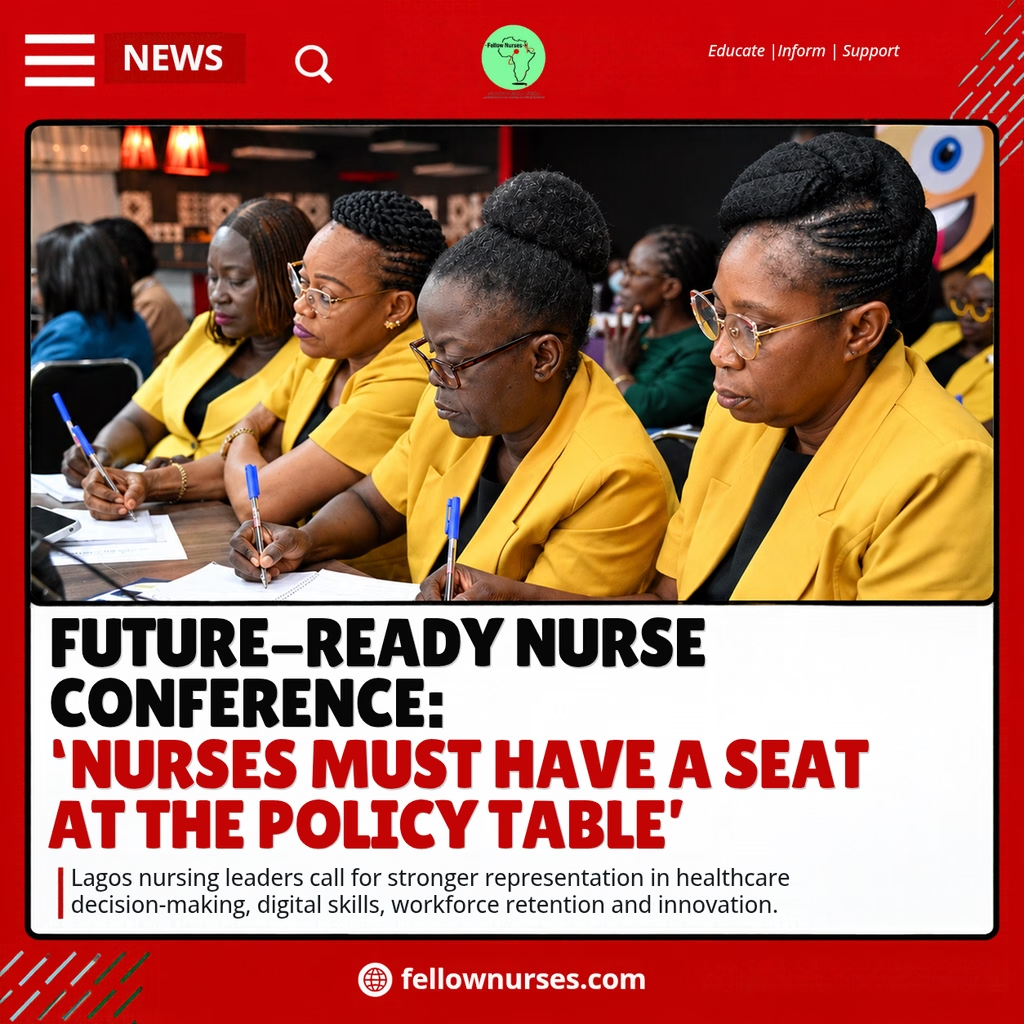
LAGOS, Nigeria — Nursing leaders and healthcare stakeholders have called for stronger nursing representation in healthcare decision-making, improved workforce retention and greater investment in digital skills as priorities for preparing nurses for the future.
The call came at the Future Ready Nursing Leadership Conference, held on Wednesday, 14 October 2026, at The Zone (Workforce), Gbagada, Lagos.
The conference, themed “Future Ready Nursing Leadership: Driving Healthcare Transformation Through Innovation, Strategic, Digital and Collaborative Leadership,” was organised by the Directorate of Nursing Services, Lagos State Ministry of Health, in conjunction with the London Professional Training Centre (LPTC).
The event brought together nursing leaders, healthcare administrators and professional stakeholders to examine how the nursing profession must adapt to changes in healthcare delivery, education, technology and management.
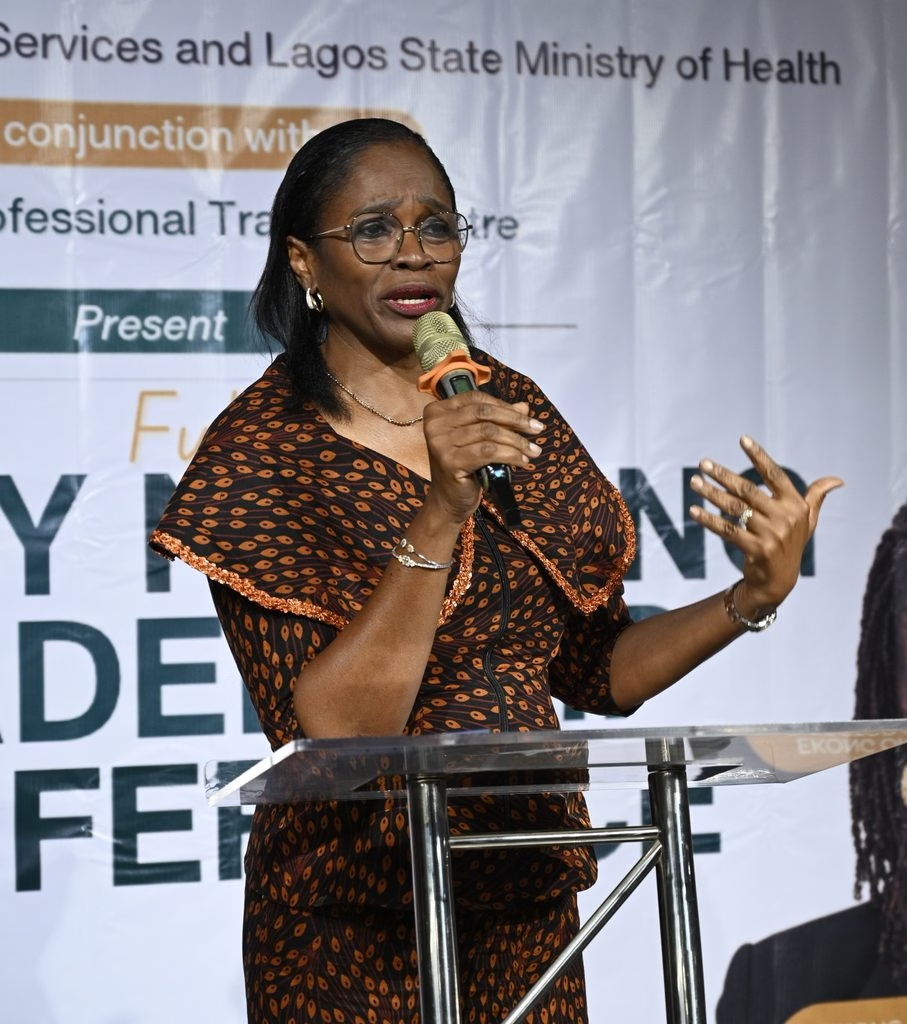
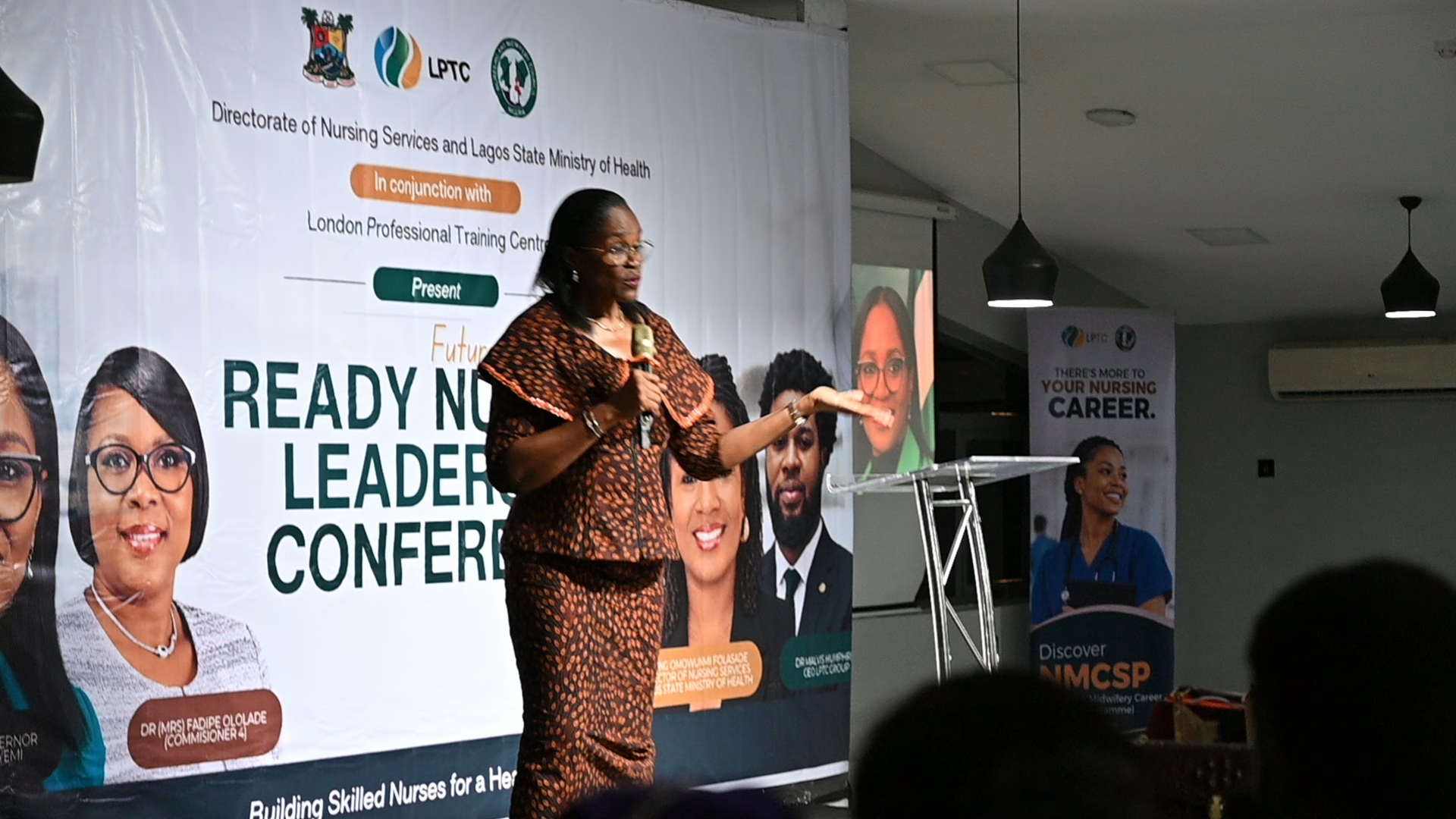
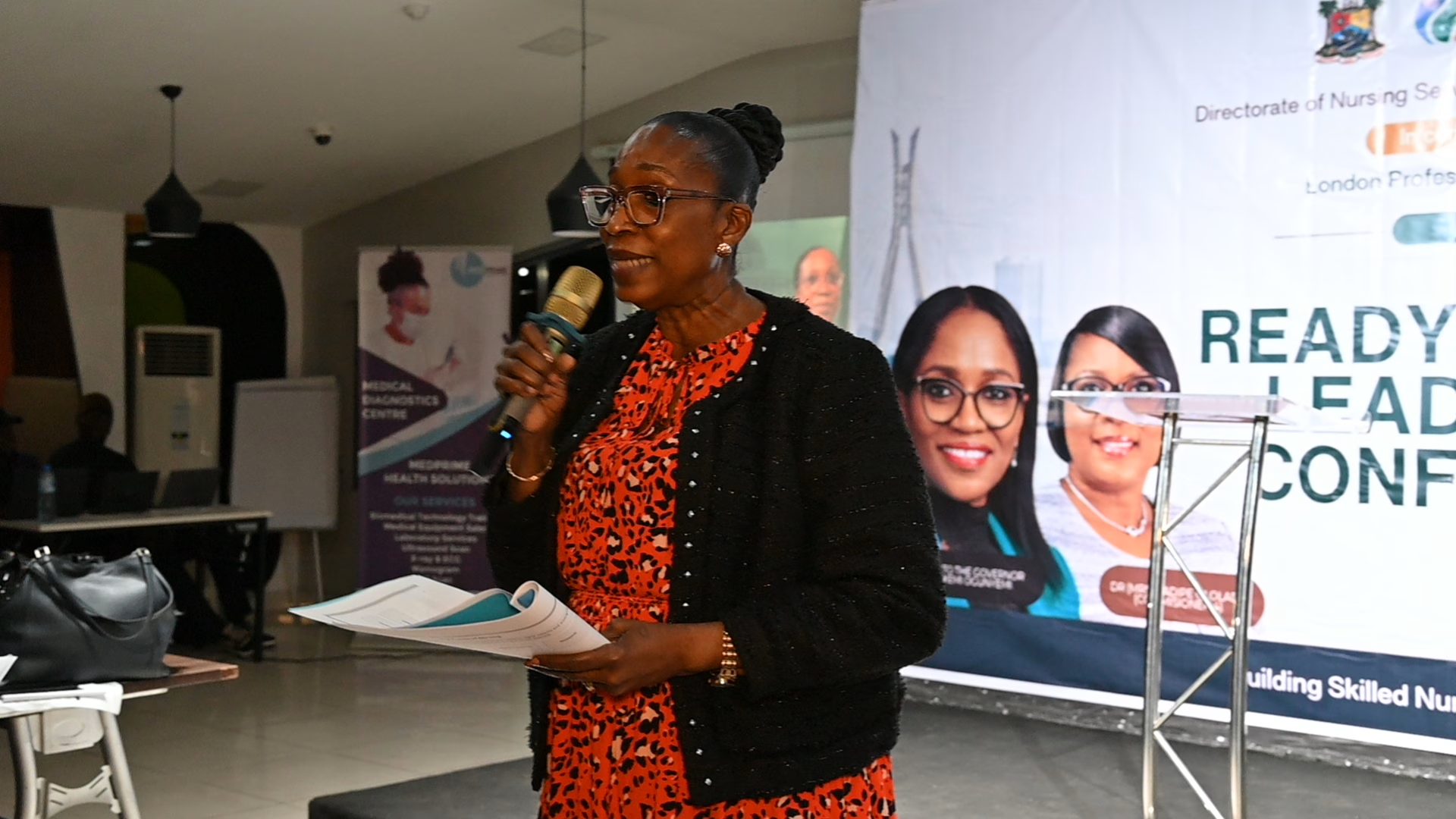
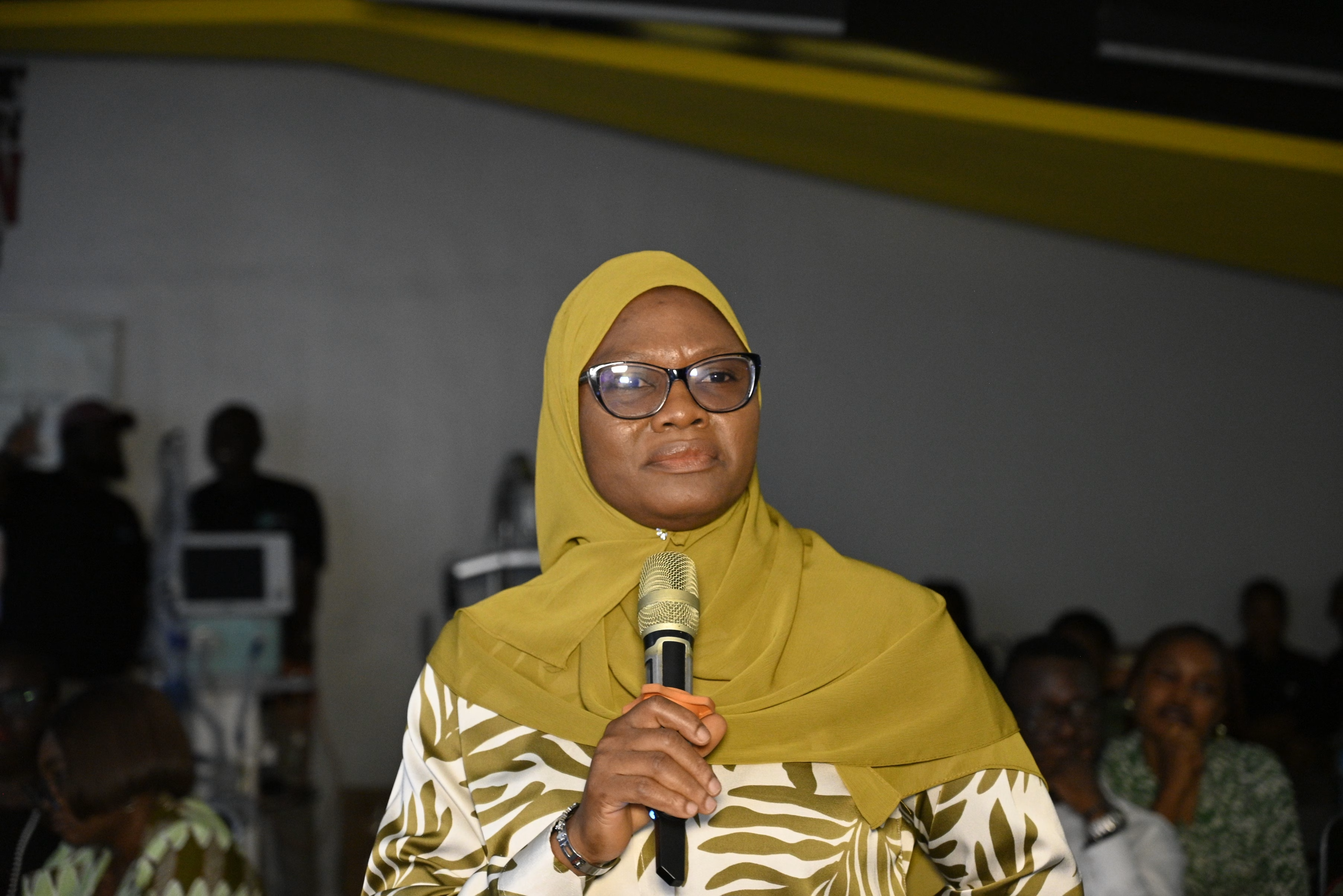
Dr Kemi Ogunyemi, Special Adviser on Health to the Lagos State Governor, emphasised that nurses must be actively involved in the decisions shaping healthcare policy and service delivery.
Her message highlighted a central question for the profession: how can nurses help transform healthcare if they are not adequately represented where critical decisions are made?
‘Nurses Must Have a Seat at the Decision-Making Table’
Dr Ogunyemi stressed the importance of involving nursing leadership, particularly the Director of Nursing Services, in strategic healthcare decisions.
She argued that nursing representation should not be treated merely as an entitlement for the profession, but as an essential part of effective healthcare governance.
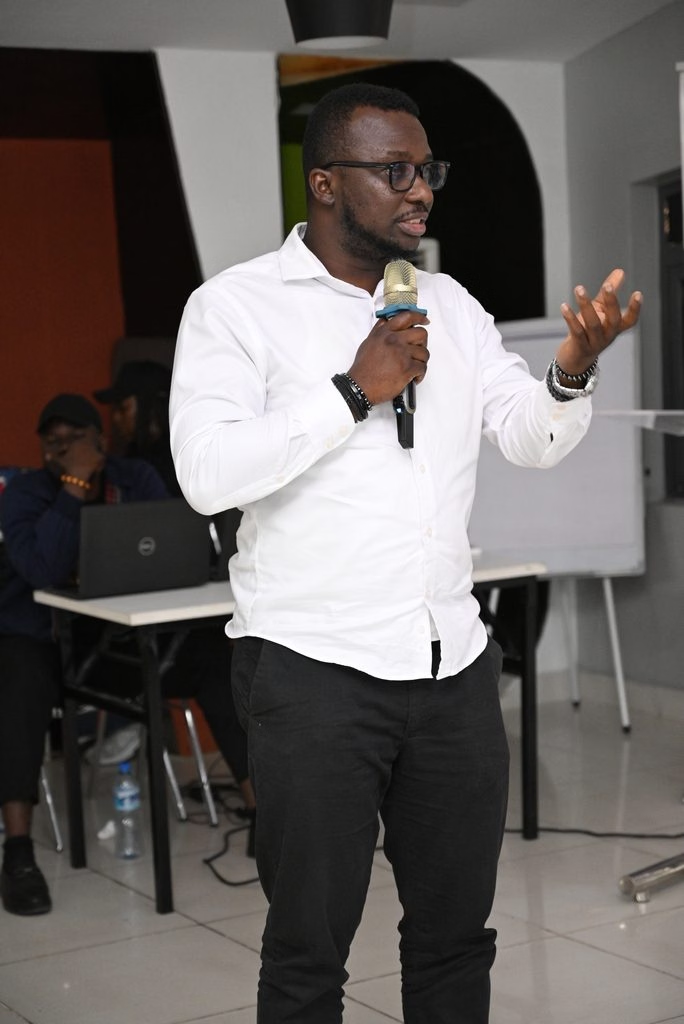
Nurses work closely with patients and understand many of the practical challenges affecting care delivery. Their involvement in policy and management decisions can help ensure that strategies reflect frontline realities.
Dr Ogunyemi also challenged nurses to embrace innovation and develop solutions to persistent healthcare challenges.
She emphasised that nursing leaders need a working understanding of policy, finance and politics to influence decisions, advocate for professional priorities and contribute to health system development.
She further urged nurses to take deliberate steps to demonstrate their value, strengthen their professional visibility and secure recognition for their contributions.
Another key message was the need to move from managing scarcity to managing systems. Rather than focusing only on coping with limited resources, nursing leaders should work towards improving processes, strengthening institutions and developing sustainable solutions.
Panel Discussion: What Does It Mean to Be a Future-Ready Nurse?
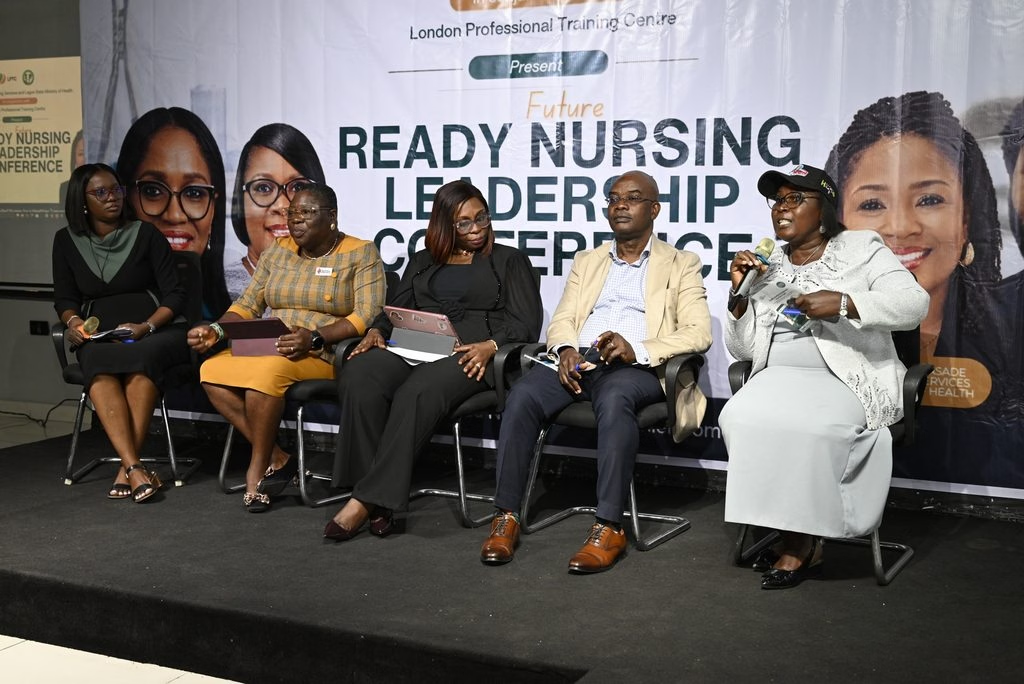
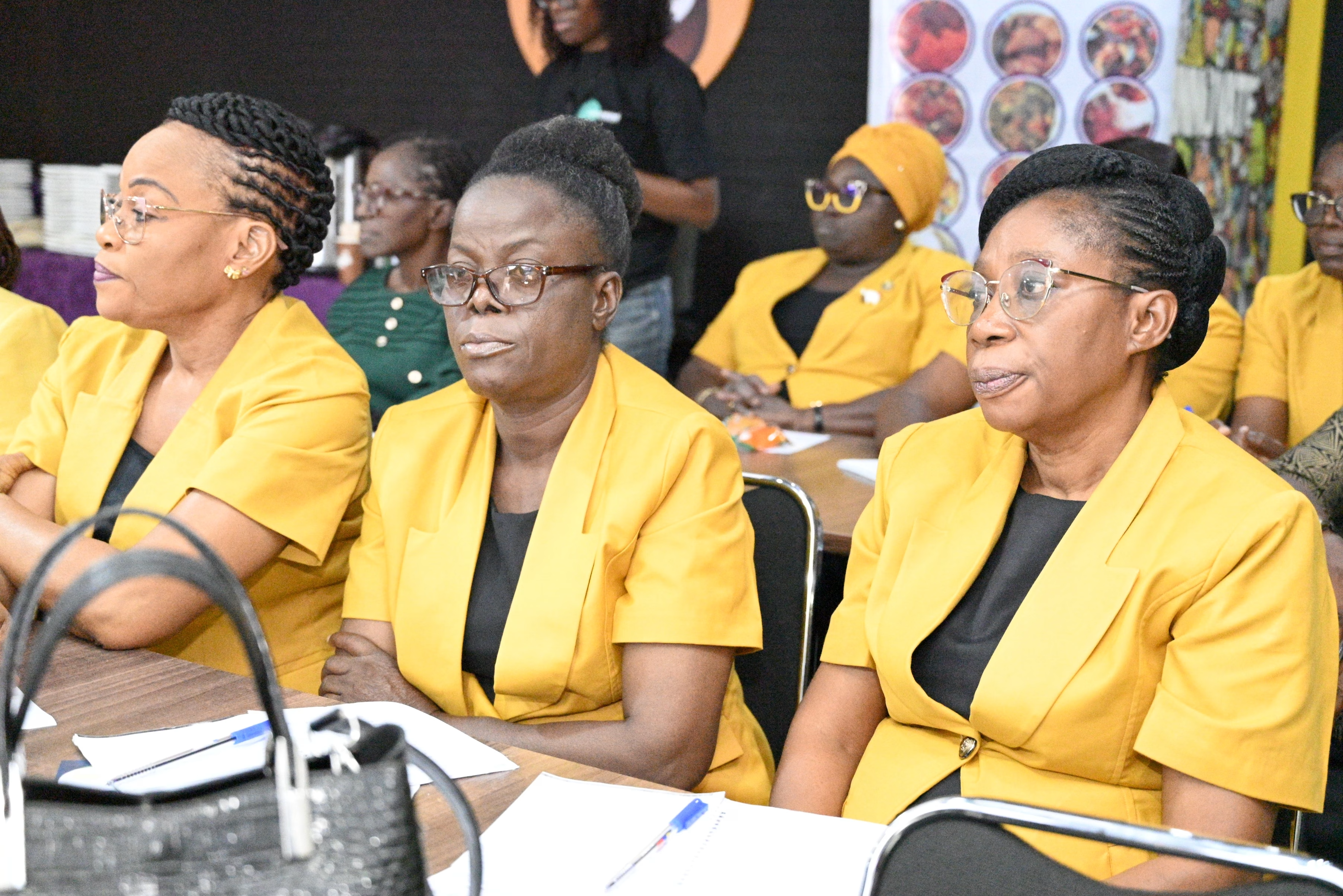
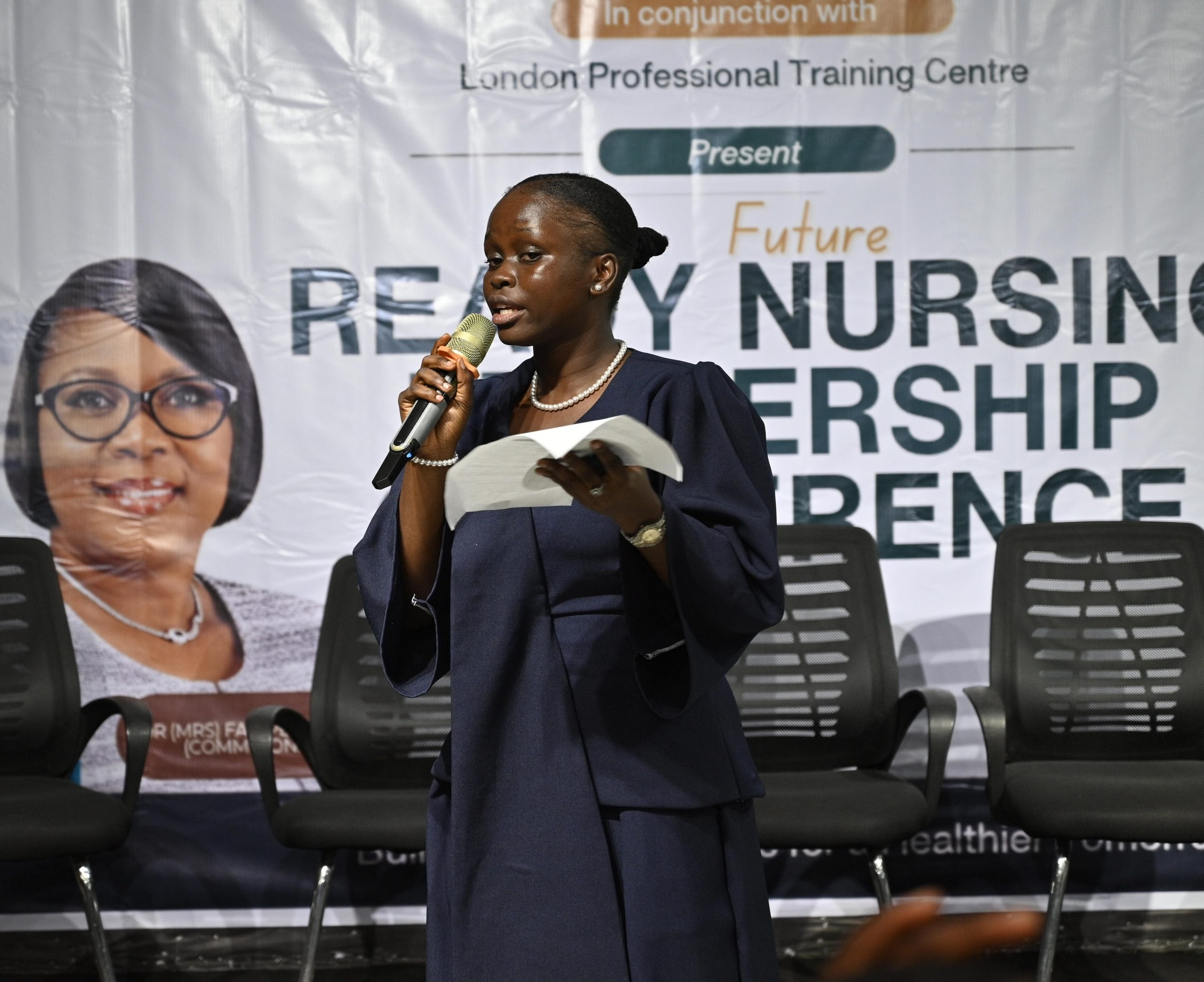
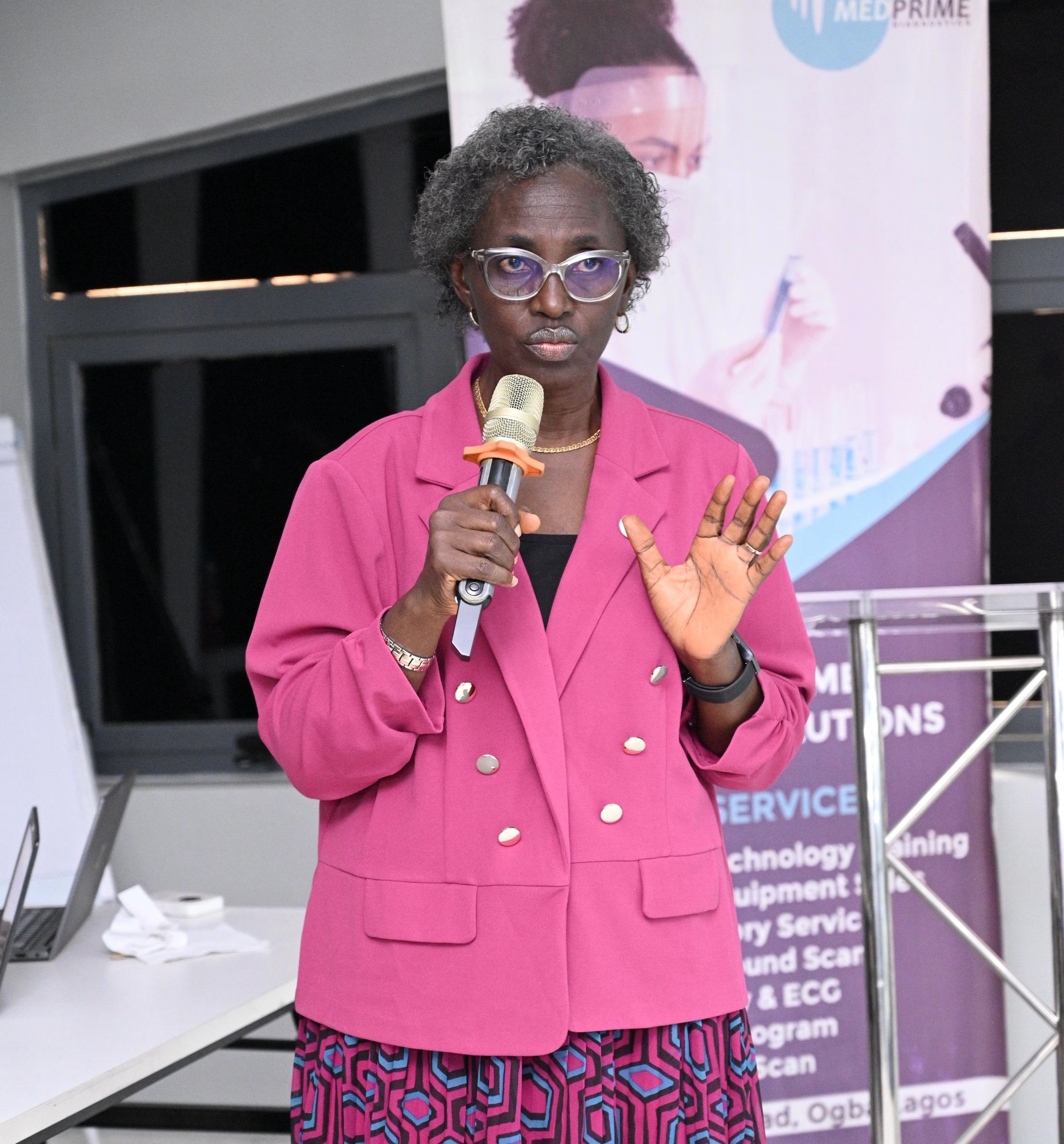
A panel discussion examined what it means to be a future-ready nurse and the changes required to prepare the nursing workforce for an evolving healthcare environment.
The session was anchored by Mrs Feyintoluwa Ogungbenro, Chief Nursing Officer of Evercare Hospital, Lagos, Nigeria.
Other panellists included Dr Ololade Fadipe, Commissioner 4, Lagos State Ministry of Health; Dr Olawale Oladapo, Chairman of AGPNP; Dr Bimbo Ojo, Head of the Nursing Department, College of Medicine, Lagos; and Mrs Cole of the Hospital Services Commission.
The discussion focused on capacity building, electronic medical records, nurse retention, entrepreneurship and the need for nurses to think beyond conventional approaches to professional practice.
The panellists also considered how changes in nursing education, healthcare management and clinical practice are reshaping the competencies expected of nurses.
Digital Skills and Capacity Building
Continuous professional development was identified as an important requirement for future-ready nursing.
As healthcare systems increasingly adopt digital technologies, nurses need the knowledge and practical skills to use these tools effectively.
Electronic medical records (EMRs) were among the areas highlighted in discussions about adapting to modern healthcare delivery.
Digital competence is becoming an important part of nursing practice, from patient documentation to information management and coordination of care.
However, technology adoption must be accompanied by appropriate training, institutional support and systems that enable nurses to use digital tools effectively.
For nursing education and healthcare employers, this presents a need to align training with the changing demands of clinical practice.
Nurse Retention Must Be Part of the Conversation
The panel also highlighted nurse retention as an important consideration in preparing the profession for the future.
Developing a skilled workforce is only part of the challenge. Healthcare organisations must also consider how to retain experienced nurses and create conditions in which professionals can build sustainable careers.
Professional recognition, supportive leadership, opportunities for advancement, continuing education and conducive working environments are important areas for attention.
Workforce retention should therefore be approached as a strategic healthcare priority, rather than simply a staffing concern.
The ability to recruit, develop and retain nurses will influence the capacity of healthcare institutions to sustain quality services.


Nurses Urged to Embrace Entrepreneurship
The discussion also encouraged nurses to explore entrepreneurship, innovation and opportunities beyond traditional career pathways.
Nurses possess clinical knowledge and practical experience that can help identify gaps in healthcare services and inspire new solutions.
Entrepreneurial thinking can create opportunities for nurses to develop services, contribute to healthcare innovation and explore new professional ventures.
This requires nurses to remain curious, identify emerging needs and develop the skills necessary to turn ideas into practical solutions.
The message was not to abandon conventional nursing practice, but to broaden the profession’s contribution to healthcare delivery.
Understanding Unions and Professional Representation
Another issue highlighted during the panel discussion was the importance of nurses understanding their unions and the structures that represent their professional interests.
Knowledge of union activities and collective representation can help nurses engage more effectively with workplace issues, professional advocacy and matters affecting their careers.
This is particularly relevant to broader discussions about nursing representation, working conditions and participation in decisions that shape the profession.
The discussion reinforced the view that future-ready nurses need more than clinical expertise. They must also understand the professional structures and systems within which they work.
Healthcare Is Changing. Nursing Must Adapt.
The conference highlighted the wider transformation taking place across the healthcare ecosystem.
Changes in technology, patient expectations, education, management and service delivery are creating new demands for nursing professionals and their leaders.
Preparing for these changes requires investment in skills, stronger collaboration and a willingness to reconsider established approaches.
For nursing leaders, it means developing the ability to combine clinical knowledge with strategic thinking, digital competence, financial awareness and effective management.
For individual nurses, it means committing to continuous learning, embracing innovation and taking an active interest in professional development and healthcare policy.
The challenge is not simply to prepare nurses to work within changing systems, but to equip them to help shape those systems.
Healthcare Leaders Attend Lagos Conference
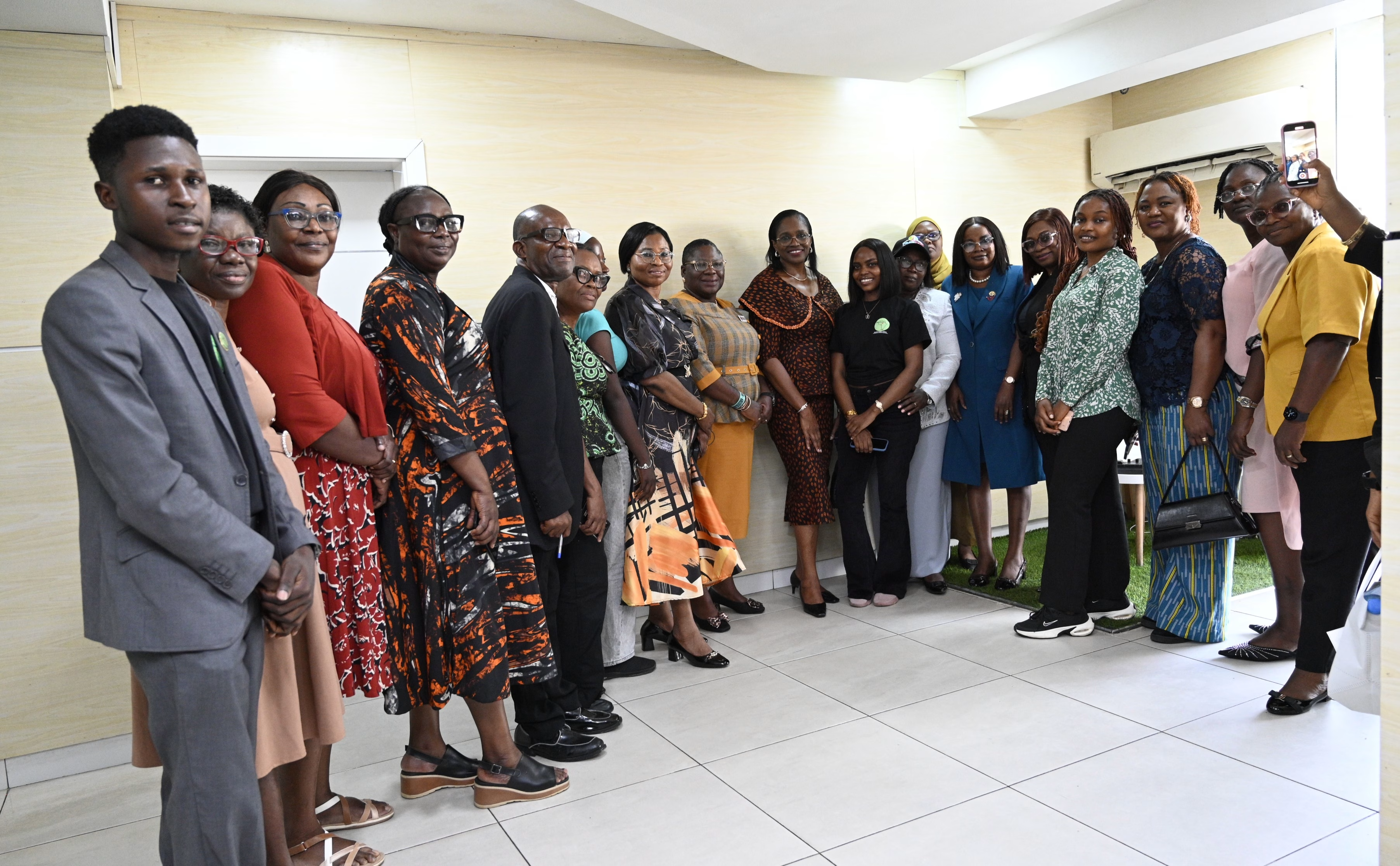
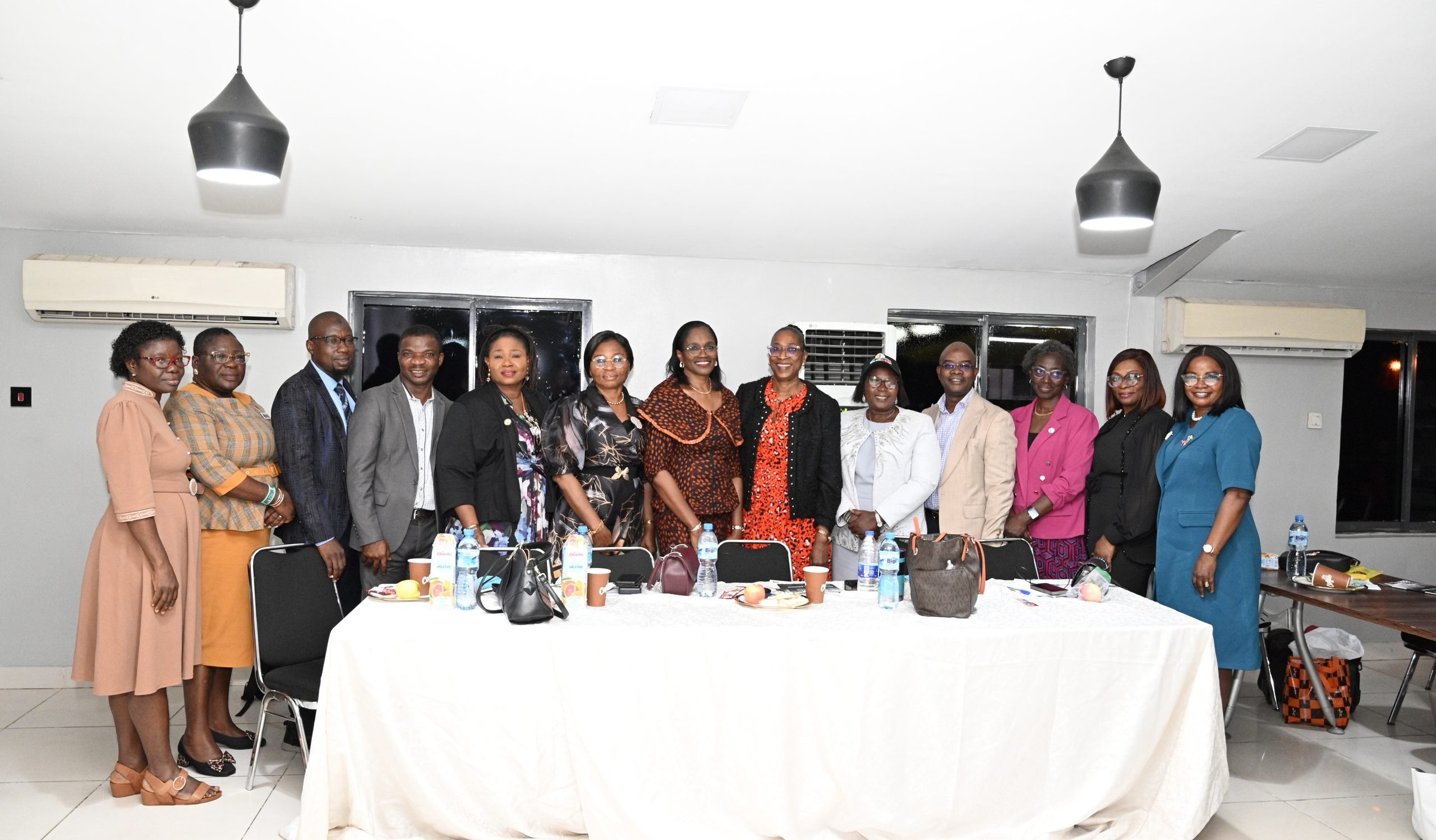
The conference was hosted by Mrs Omowunmi Ekong, Director of Nursing Services, Lagos State Ministry of Health.
Other participants included Mrs Olusola Aketi, immediate past Director of Nursing Services; Dr Shonibare; and other nursing professionals and healthcare stakeholders.
Dr Melvin Humphrey, Chief Executive Officer of LPTC Group, served as co-host, while Mrs Busola Ajayi, Chief Executive Officer of Florence John Ltd, was among the featured speakers.
Their participation reflected the conference’s emphasis on collaboration across nursing leadership, healthcare administration and professional development.
From Conversation to Action
The conference raised important questions about the future of nursing leadership in Nigeria.
How can nurses gain greater influence in healthcare policy? What investments are needed to prepare the workforce for digital transformation? How can healthcare institutions retain experienced nurses while supporting professional growth? And how can nurses translate their clinical expertise into innovation and leadership?


Addressing these questions will require more than conferences and professional declarations. It will require sustained investment in nursing education, leadership development, digital infrastructure and workforce support.
It will also require decision-makers to create meaningful opportunities for nurses to contribute to policy, planning and healthcare governance.
A future-ready nursing workforce must be equipped not only to respond to change, but also to influence the direction of healthcare transformation.
Fellow Nurses Africa will continue to spotlight nursing leadership, professional development and healthcare policy, amplifying conversations that can strengthen the profession and improve healthcare delivery in Nigeria and beyond.

Kehinde Oluwatosin is one of the many editors here at Fellow Nurses Africa and fellownurses.com.
He is a registered nurse with a Master of Science degree in healthcare leadership from the University of Hull, United Kingdom. Kehinde is passionate about advancing the nursing profession across Africa. As Co-Founder of Fellow Nurses Africa, he plays a key role in shaping editorial direction, ensuring our content educates, informs, and empowers nurses continent-wide.
With expertise in leadership, patient flow, and healthcare operations, Kehinde brings valuable insights to nursing news, career development, and policy discussions. He is committed to amplifying the voice of African nurses and driving positive change in the profession.