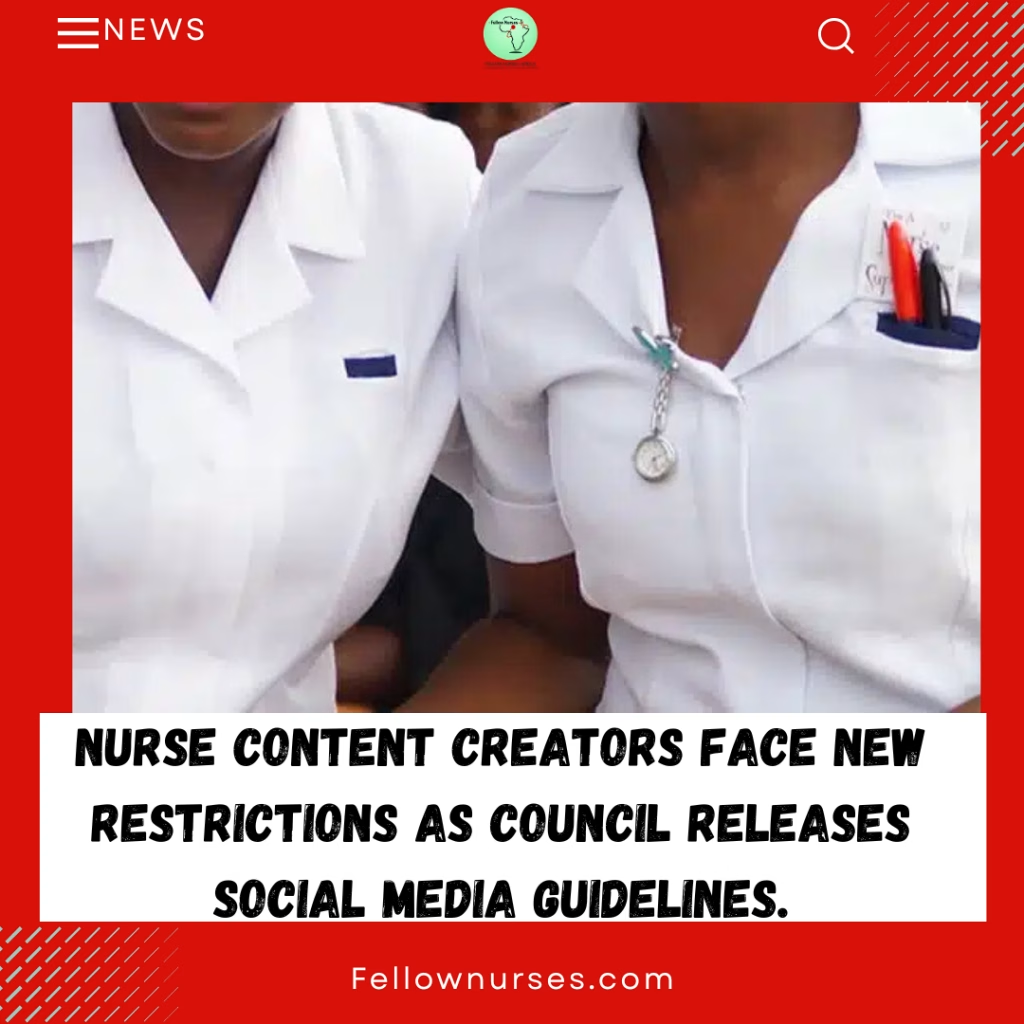
Nurse Content Creators Face New Restrictions as Council Releases Social Media Guidelines.
FNA NEWS, 09/06/2026
The Nursing and Midwifery Council of Zambia (NMCZ) has introduced new social media restrictions for nurses and midwives, warning healthcare professionals against using official uniforms and professional titles for commercial advertising and influencer promotions online.
In a public notice issued on June 9, 2026, the Council expressed concern over what it described as the increasing misuse of nursing identity on social media platforms, including TikTok, Facebook, Instagram, television advertisements, and other digital channels.
The directive, released under Section 4(k) of the Nurses and Midwives Act No. 10 of 2019, aims to protect the dignity of the nursing profession, preserve public trust, and maintain ethical standards within healthcare practice.
Council Moves to Protect Professional Integrity
According to the statement signed by Mrs. Beauty Siansende Zimba, Registrar and Chief Executive Officer of the NMCZ, registered nurses and midwives are prohibited from participating in commercial advertisements while wearing official uniforms or displaying professional insignia.
👉 Join our Whatsapp channel Here
The Council also cautioned healthcare workers against using professional titles such as “Registered Nurse” or “Registered Midwife” to endorse products, services, supplements, cosmetics, or corporate brands for financial gain.
The regulatory body stated that the nursing profession carries significant public trust and clinical authority, adding that healthcare professionals must avoid activities capable of compromising professional credibility.
“The public trust in our healthcare system must be protected diligently,” the Council stated.
Educational Content Still Permitted
Despite the restrictions, the NMCZ clarified that nurses and midwives are still encouraged to use social media responsibly for health education, patient awareness campaigns, and professional advocacy.
However, the Council emphasized that educational content produced while wearing official uniforms must remain strictly professional, non-commercial, and free from sponsored promotions or paid endorsements.
This means healthcare professionals may continue creating:
- Public health awareness videos
- Clinical education content
- Patient safety campaigns
- Nursing advocacy discussions
- Professional development materials
But they must avoid:
- Sponsored advertisements
- Brand ambassador promotions
- Paid influencer marketing
- Commercial product endorsements in uniform
Warning Issued to Non-Healthcare Professionals
The Council further warned members of the public against impersonating nurses or midwives online by wearing professional uniforms for entertainment, skits, comedy content, or commercial advertising.
According to the NMCZ, such practices undermine the image and professional identity of trained healthcare practitioners.
Possible Disciplinary Action
The notice also revealed that practitioners found violating the new guidelines could face investigation and disciplinary action through the Professional Conduct Committee.
Healthcare professionals who participate in unauthorized advertising activities risk being accused of professional misconduct under Zambia’s nursing regulatory framework.
Growing Global Debate Around Nurse Influencers
The announcement reflects a broader international conversation about professionalism, ethics, and monetization among healthcare influencers on social media.
Across Africa and other parts of the world, nursing regulators are increasingly paying attention to how healthcare workers present themselves online, particularly when professional uniforms and clinical authority are used to promote products or commercial services.
While social media has become an important platform for healthcare education and advocacy, experts say regulators are now drawing clearer boundaries between professional health communication and influencer marketing.
For many nurse content creators, the new directive may significantly reshape how healthcare professionals collaborate with brands and engage audiences online.
The development has already sparked discussions among nurses, digital healthcare creators, and advocacy groups across the African healthcare community.
As digital influence continues to grow within healthcare spaces, regulators appear determined to ensure that public trust, ethics, and professional standards remain protected.
Fellow Nurses Africa will continue to monitor this development and provide updates as they emerge.
👉 Join our Whatsapp channel Here
Fellow Nurses Africa is the independent voice of African nursing, we educate, inform and support nurses across Africa.

Charles Wealth is an accomplished healthcare administrator with decades of hands-on experience across various healthcare organizations in Nigeria and beyond. Known for his strategic leadership, operational excellence, and deep commitment to advancing the nursing profession, Charles brings a wealth of expertise to healthcare management, policy, and professional development.
As a co-founder and Editor at Fellow Nurses Africa, he plays a pivotal role in shaping content that educates, inspires, and unites nurses across the continent. His editorial vision focuses on amplifying the voices of nurses, highlighting best practices, addressing contemporary challenges in healthcare, and promoting professional growth within the nursing community.
With a strong background in healthcare administration, Charles is passionate about bridging the gap between clinical practice and effective leadership. He continues to contribute significantly to the development of robust healthcare systems and the empowerment of nurses through knowledge sharing and advocacy.