
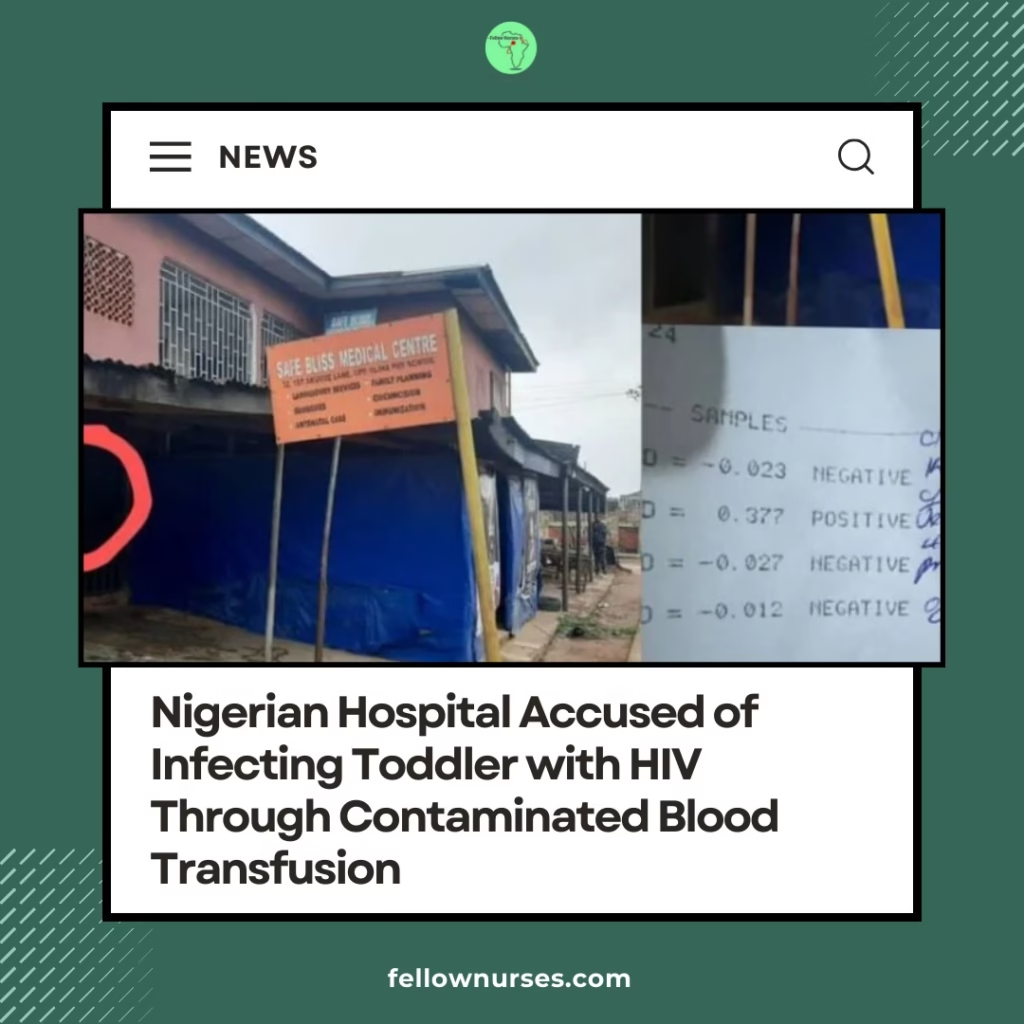
A Nigerian hospital, Safe Bliss Medical Centre in Benin City, Edo State, has been sealed after allegedly infecting a 20-month-old boy with HIV through a contaminated blood transfusion. This heartbreaking incident has sparked outrage across Nigeria, raising serious concerns about blood safety, medical negligence, and patient rights in the country’s healthcare system.
In February 2025, the toddler, critically anaemic, underwent a blood transfusion costing his father ₦40,000. After two procedures, he was discharged, but weeks later, his parents noticed unusual symptoms. Medical tests revealed the devastating truth: their son had contracted HIV. The family believes the infection came from the transfusion, a claim initially dismissed by the hospital, which suggested the infection could have originated elsewhere. Edo State Commissioner for Health, Dr. Cyril Adams Oshiomhole, intervened, stating, “Pharmacies do not handle transfusions; they only dispense drugs. It was clear they were guilty.”
Public anger has erupted on social media, with Nigerians demanding justice for the toddler and stricter penalties for medical malpractice. Edo State health authorities have shut down the facility to prevent further risks to patients, amplifying calls for better regulation of private clinics and stronger patient protections.
During mediation, the Health Commissioner offered the hospital three options: lifetime employment for the child’s parents, full medical responsibility for the boy, or ₦700,000 in compensation. The hospital’s owner, a retired nurse, cited financial constraints and offered only ₦300,000, enraging the family and the public. The boy’s father rejected the offer, demanding ₦100 million in damages, saying, “They have altered my child’s life forever. If they will not take responsibility, I will go to court, and I am certain they will lose.”
This tragic case exposes critical flaws in Nigeria’s healthcare system, including inadequate blood screening, lack of accountability for medical negligence, and weak patient protections. If proven in court, this lawsuit could set a landmark precedent for medical malpractice cases in Nigeria. Activists are pushing for stricter safety standards, regular monitoring of clinics, and robust patient rights laws.
The family remains determined to seek justice, with the father prepared to take the case to court. Nigerians continue to voice their outrage online, using hashtags like #JusticeForTheToddler to demand accountability. This incident has reignited urgent conversations about healthcare reform, blood safety, and protecting vulnerable patients in Nigeria.
Stay updated on this developing story and join the call for safer healthcare by sharing your thoughts below.

Kehinde Oluwatosin is one of the many editors here at Fellow Nurses Africa and fellownurses.com.
He is a registered nurse with a Master of Science degree in healthcare leadership from the University of Hull, United Kingdom. Kehinde is passionate about advancing the nursing profession across Africa. As Co-Founder of Fellow Nurses Africa, he plays a key role in shaping editorial direction, ensuring our content educates, informs, and empowers nurses continent-wide.
With expertise in leadership, patient flow, and healthcare operations, Kehinde brings valuable insights to nursing news, career development, and policy discussions. He is committed to amplifying the voice of African nurses and driving positive change in the profession.