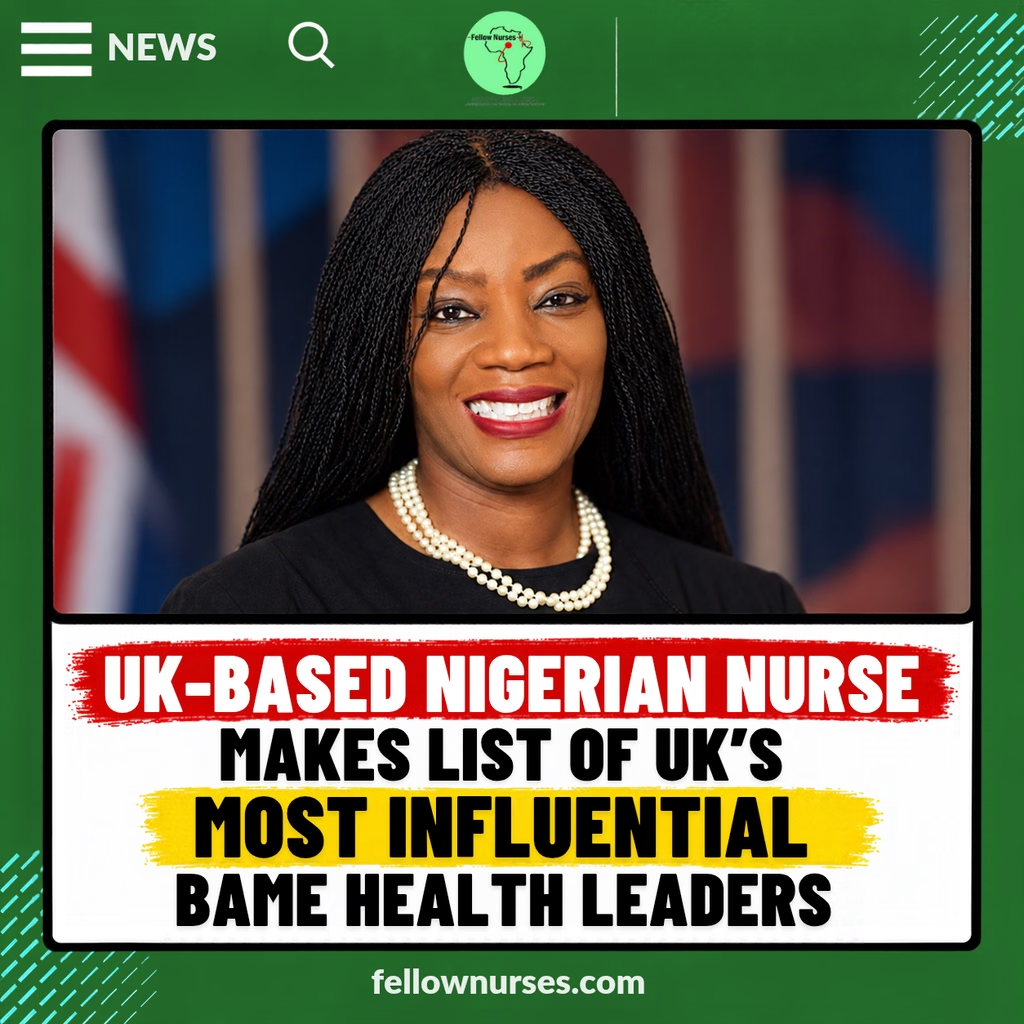
UK-Based Nigerian Nurse Makes List of UK’s Most Influential BAME Health Leaders
FNA News |Lagos Nigeria |12th October, 2026.
Wendy Olayiwola’s recognition highlights the growing contribution of Nigerian nurses and healthcare leaders to the NHS, from frontline care to national policy and professional advocacy.
A UK-based Nigerian nurse and midwife has been named among the 75 most influential Black, Asian and minority ethnic (BAME) leaders in English health and care, highlighting the growing presence of Nigerian professionals in senior positions across the National Health Service (NHS).
Wendy Olayiwola, National Maternity Lead for Equality at NHS England, features on the Health Service Journal (HSJ) list published on 12 October 2026. The list recognises influential figures across the NHS, regulators, royal colleges, charities and academia whose work shapes healthcare policy, addresses inequalities and influences service delivery.
👉 Join Fellow Nurses Africa on WhatsApp
For Nigerian nurses working in the UK, Olayiwola’s recognition is an opportunity to celebrate not only an individual achievement but also the contribution of professionals whose work extends beyond direct patient care into leadership, policy development and professional advocacy.
Olayiwola has more than 20 years of experience as a registered nurse and practising midwife. She previously held senior positions at Barts Health NHS Trust and now leads national work to improve maternity and neonatal outcomes, particularly for Black and Asian women and babies.
She is also president of the Nigeria Nurses Charitable Association UK and has contributed to the NHS Race and Health Observatory’s maternal and neonatal programme.
Her recognition comes amid continued national attention on inequalities in maternity care, following the National Maternity and Neonatal Investigation and subsequent efforts to strengthen standards and accountability across maternity services.
Other Nigerian Leaders Also Feature on the List
Olayiwola is joined by several other leaders of Nigerian heritage whose careers reflect the breadth of Nigerian representation in British healthcare.
They include Nnenna Osuji, chief executive of North East London Integrated Care Board and a practising haematology consultant. Osuji previously led North Middlesex University Hospital and its community services.
Also featured is Titilola Banjoko, an NHS leader with senior experience in integration and primary care, alongside involvement in the Royal African Society and international health organisations.
Another name is Ify Okocha, chief executive of Oxleas NHS Foundation Trust. An award-winning psychiatrist, Okocha has more than 30 years of experience in London’s mental health services.
Their inclusion highlights the different ways Nigerian professionals are contributing to healthcare, from clinical practice and mental health services to organisational leadership, strategic planning and policy development.
Nigerian Nurses Remain Vital to the NHS
The contribution of Nigerian nurses to British healthcare is felt every day in hospitals, maternity units, community services, care settings and specialist departments.
Nursing and Midwifery Council data recorded 16,156 nurses and midwives educated in Nigeria on the UK register as of 30 September 2025. Separate workforce figures have also identified Nigerian nationals as one of the significant international groups working across the NHS.
Behind these figures are individual professionals caring for patients, supporting families, mentoring colleagues and helping healthcare services respond to increasing demands.
Nigerian nurses bring clinical knowledge and professional experience to a wide range of settings. Many also contribute to education, research, service improvement and leadership, helping shape how care is delivered and how healthcare organisations respond to the needs of diverse communities.
Their contribution, however, goes beyond filling vacancies or supporting services during periods of workforce pressure. It includes the expertise they share, the professional standards they uphold, the colleagues they develop and the decisions they help influence.
Recognising this contribution means acknowledging Nigerian nurses not only as essential members of the workforce but also as professionals with the capacity to lead change across the health system.
Nigerian Nurses Increasingly Shaping the Profession
The growing visibility of Nigerian nurses is also evident in professional leadership and representation.
👉 Join Fellow Nurses Africa on WhatsApp
In the recent Royal College of Nursing (RCN) presidential election, two Nigerian nurses, Dr Patience Bamisaye and Amarachi Ukairo, stood as candidates.
Bamisaye, a senior lecturer and former chair of RCN Congress, finished second with 5,636 votes, representing 24.6 per cent of the vote. Together, the two Nigerian candidates received more than 30 per cent of valid votes.
Although Bejoy Sebastian was re-elected president, the participation of the two candidates brought Nigerian nursing voices into a significant national professional contest.
The importance of such representation extends beyond the election itself. Professional leadership can influence discussions about nursing education, working conditions, workforce development, professional standards and the future direction of the profession.
For internationally educated nurses, visible participation in these spaces also challenges the perception that their contribution begins and ends at the bedside.
Although representation alone cannot remove every barrier to career progression, the participation of Nigerian nurses in national leadership contests demonstrates their engagement with the wider professional issues shaping nursing in the UK.
Beyond the Bedside: Building a Stronger Nursing Voice
Nigerian nurses are increasingly contributing to healthcare in the UK beyond direct clinical practice. They occupy roles in clinical leadership, higher education, research, service management, policy development and professional advocacy.
This matters because nursing leadership is about more than holding a senior title. It also involves influencing decisions, improving working environments, supporting professional development and ensuring that the experiences of nurses and patients inform the direction of healthcare.
The careers of leaders such as Olayiwola, Osuji and Okocha illustrate the different routes through which Nigerian professionals can influence the health system. Their work spans maternity equality, integrated care, hospital leadership and mental health services.
For nurses at earlier stages of their careers, these examples offer a reminder that professional development can extend into many areas. Clinical experience can provide a foundation for leadership, while continuing education, mentorship, research involvement and engagement with professional organisations can create further opportunities.
At the same time, celebrating these achievements should not mean overlooking the challenges some internationally educated nurses face, including adapting to a new healthcare system, accessing development opportunities and securing fair recognition of their skills and experience.
Recognising achievement and addressing these challenges are equally important to building a more inclusive nursing profession.
A Wider Picture of Leadership in English Health and Care
The HSJ list also includes prominent figures from across the health and care sector, including Habib Naqvi, chief executive of the NHS Race and Health Observatory; Lord Ara Darzi; Dame Marie Gabriel; Kevin Fenton, London’s regional director of public health; Bas Sadiq, chief executive of Homerton Healthcare NHS Foundation Trust; Lord Victor Adebowale; Foluke Ajayi, chief executive of Airedale NHS Foundation Trust; Kamran Abbasi, editor-in-chief of the British Medical Journal; and Acosia Nyanin, deputy chief nursing officer at NHS England.
Their inclusion reflects the range of professionals from diverse backgrounds contributing to healthcare leadership, research, public health, service delivery and efforts to reduce inequalities.
What This Means for Nigerian Nurses
For Nigerian nurses already working in the UK, Olayiwola’s recognition offers an opportunity to reflect on how their profession continues to evolve and expand its influence.
For those considering a career in Britain, the achievements of Nigerian healthcare leaders provide examples of professional development that can extend into education, management, research, policy and national leadership.
Most importantly, this story is about more than appearing on an influential leaders’ list. It is about the people behind the professional titles: nurses, midwives, clinicians and healthcare leaders whose work affects patients, colleagues and communities.
Nigerian nurses have made a substantial contribution to the NHS through their skills, commitment and expertise. Their growing presence in leadership adds another dimension to that contribution, creating opportunities to influence not only the delivery of care but also the policies and systems that shape it.
As the profession looks to the future, the challenge is to ensure that these contributions are recognised, opportunities for progression are accessible and nurses from every background can participate meaningfully in shaping the healthcare system they serve.
The message is clear: Nigerian nurses are not only helping to deliver healthcare in Britain; they are also helping to shape its future.
At Fellow Nurses Africa, we celebrate Wendy and all Nigerian nurses in the diaspora who continue to demonstrate excellence, resilience, and compassion while advancing healthcare standards worldwide.
👉 Join Fellow Nurses Africa on WhatsApp
The complete list is available on the Health Service Journal website.
Fellow Nurses Africa is the independent voice of African nursing, we educate, inform and support nurses across Africa.

Charles Wealth is an accomplished healthcare administrator with decades of hands-on experience across various healthcare organizations in Nigeria and beyond. Known for his strategic leadership, operational excellence, and deep commitment to advancing the nursing profession, Charles brings a wealth of expertise to healthcare management, policy, and professional development.
As a co-founder and Editor at Fellow Nurses Africa, he plays a pivotal role in shaping content that educates, inspires, and unites nurses across the continent. His editorial vision focuses on amplifying the voices of nurses, highlighting best practices, addressing contemporary challenges in healthcare, and promoting professional growth within the nursing community.
With a strong background in healthcare administration, Charles is passionate about bridging the gap between clinical practice and effective leadership. He continues to contribute significantly to the development of robust healthcare systems and the empowerment of nurses through knowledge sharing and advocacy.