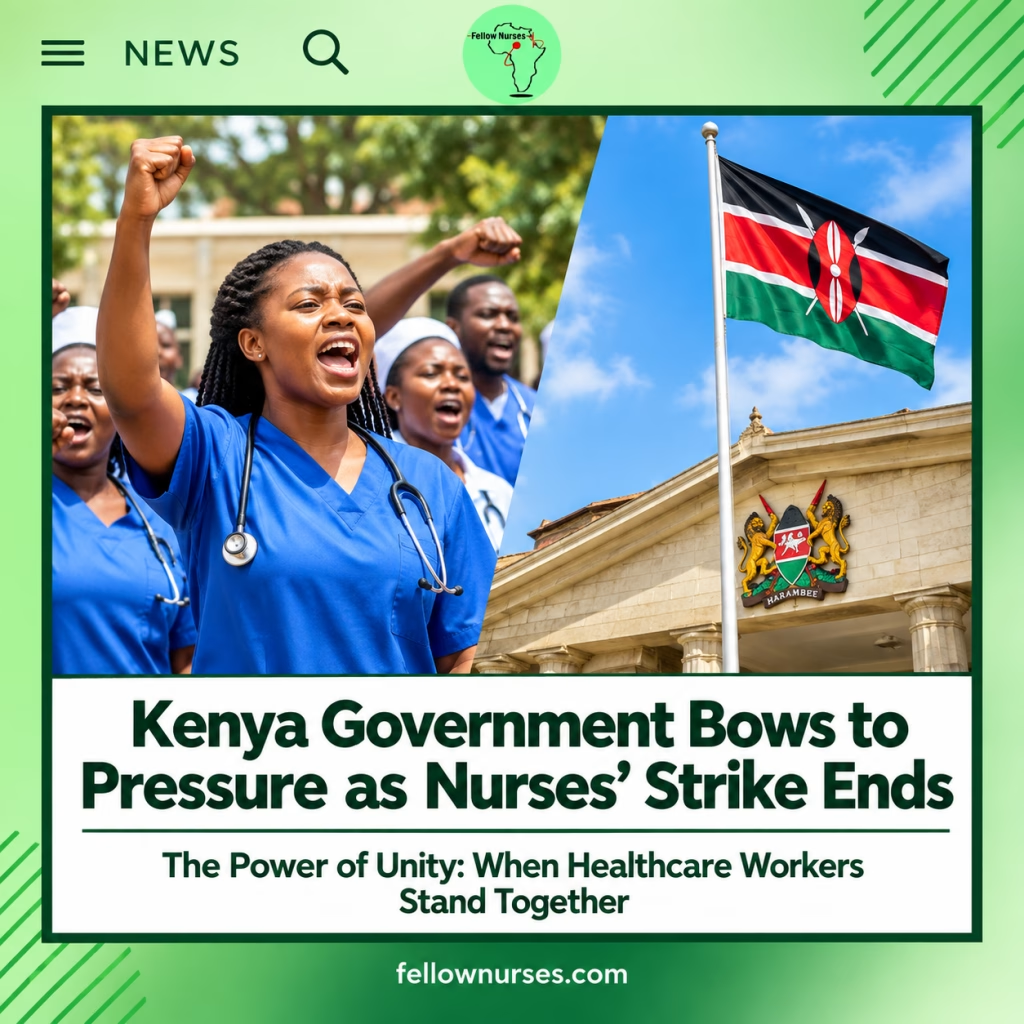
Kenya Government Bows to Pressure as Nurses’ Strike Ends
The Power of Unity: When Healthcare Workers Stand Together FNA NEWS, 10th OF SEPTEMBER,2026
Kenya’s 43-day nurses’ strike has ended after the government and nurses’ representatives reached a return-to-work agreement, following weeks of mounting pressure over the disruption to healthcare services.
👉 Join Fellow Nurses Africa on WhatsApp
The Kenya National Union of Nurses and Midwives (KNUNM) called off the strike on 9 September and directed nurses to resume duty within 24 hours. The agreement with the Council of Governors gives both sides 45 days to conclude negotiations on the implementation of a 2017 collective bargaining agreement that has remained unresolved.
The breakthrough came after pressure on the health system intensified. On 8 September, Kenya’s doctors warned that they could join the nurses’ industrial action if the dispute was not resolved within seven days.
Dr Davji Bhimji Atellah, secretary-general of the Kenya Medical Practitioners, Pharmacists and Dentists Union, said doctors were already carrying an increased workload because of the nurses’ absence. He stressed that healthcare depends on teamwork and that doctors could not continue performing responsibilities normally handled by nurses.
That warning added another layer to an already serious dispute. With nurses away from their posts and doctors facing increased pressure, the consequences were no longer limited to one professional group. They were being felt across the healthcare system.
The return-to-work agreement addresses several longstanding concerns, including the implementation of the 2017 agreement, career guidelines for nurses and employment arrangements for Universal Health Coverage workers. It also provides protection against victimisation for nurses who participated in the strike.
👉 Join Fellow Nurses Africa on WhatsApp
The immediate return of nurses is a relief for patients and healthcare facilities, but the 45-day negotiation period will be important. Ending a strike does not automatically resolve the issues that caused it.
The episode also offers a wider lesson for healthcare systems: when one part of the healthcare team is weakened, the pressure quickly spreads to others.
For Kenya, the resolution may therefore be more than the end of a 43-day strike. It is a reminder that meaningful dialogue, fair working conditions and solidarity among healthcare professionals are essential to protecting both health workers and the patients they serve.
👉 Join Fellow Nurses Africa on WhatsApp
Fellow Nurses Africa is the independent voice of African nursing, we educate, inform and support nurses across Africa.

Durowoju Abisola is a registered nurse, nurse writer and On-Air Correspondent at Fellow Nurses Africa (FNA), passionate about nursing leadership, health education and advocacy.
Through journalism, storytelling and content creation, she amplifies important conversations around nursing, healthcare and the experiences of nurses in Nigeria. She is committed to using her voice and professional knowledge to educate the public, challenge misconceptions and inspire the next generation of nurses.