Nigerian Nurse Dies After Asthma Attack at Aro Hospital as Colleague Alleges Negligence
FNA NEWS, 17th Of October, 2026
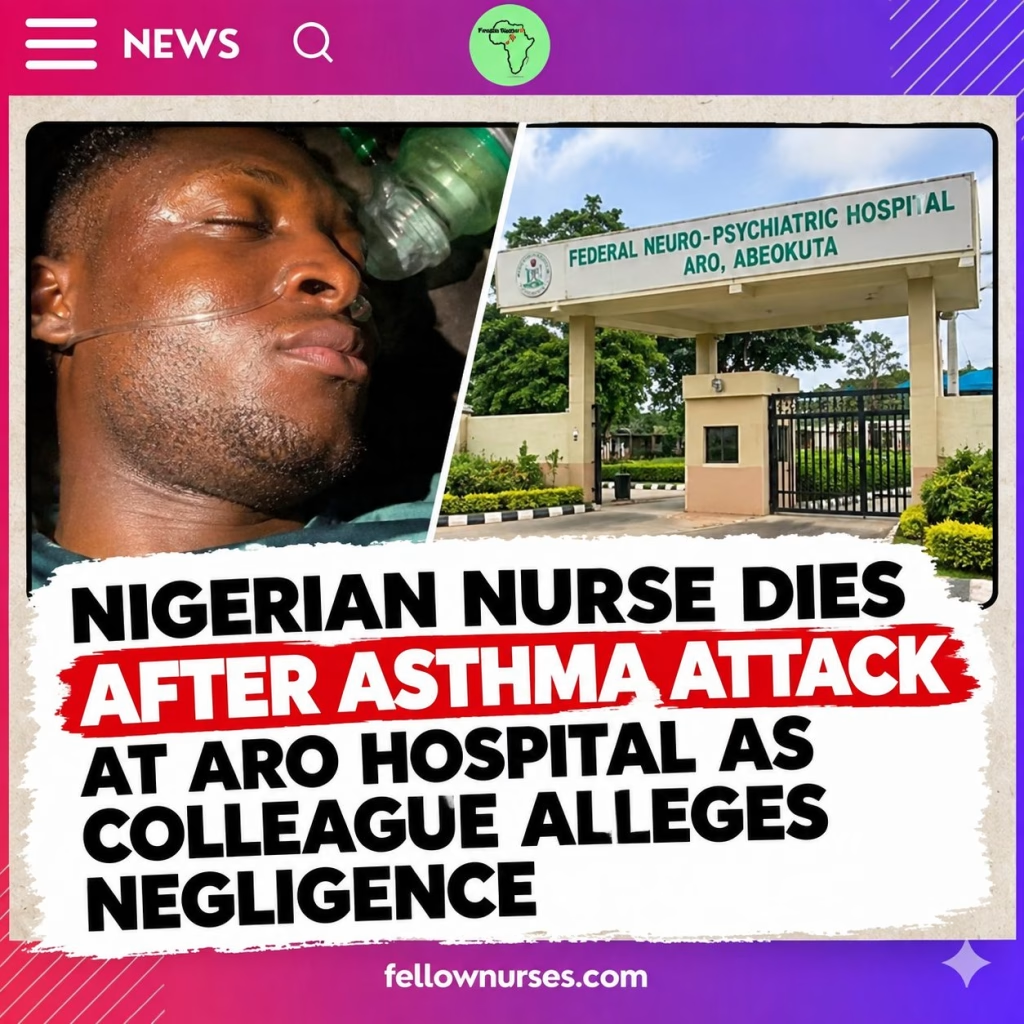
A Nigerian nurse, Taiwo Godwin Ayodeji, has died following an asthma attack at the Federal Neuro-Psychiatric Hospital, Aro, Abeokuta, Ogun State, amid allegations that failures in emergency care may have affected efforts to save his life.
👉 Join Fellow Nurses Africa on WhatsApp
A colleague alleged that oxygen equipment placed on the nurse was not switched on during the emergency. The allegation has raised questions about the response he received and whether the incident could have been handled differently.
The circumstances surrounding his death have not been independently established. It is therefore unclear whether any failure in care occurred or whether any such failure contributed to the outcome.
Allegations raise questions about emergency care
An account of the incident published on 16 October 2026 described how Ayodeji reportedly developed breathing difficulties while playing football before being taken to the hospital for emergency treatment.
The account attributed to a colleague alleged that Ayodeji was placed on oxygen equipment that was not switched on.
The colleague also alleged that his condition deteriorated and that the medical team encountered difficulties while attempting to resuscitate him.
The report identified a doctor referred to as Dr Ofo in connection with the allegations.
The report also quoted the eyewitness as claiming that another nurse from the same school had died at the facility earlier in the year.
Was the death preventable?
👉 Join Fellow Nurses Africa on WhatsApp
The allegations raise an important question: could the outcome have been different if the appropriate emergency interventions had been provided promptly?
Asthma attacks can become life-threatening, particularly when severe breathing difficulties are not recognised and treated quickly. Timely assessment, appropriate medication, oxygen when clinically indicated and close monitoring can be critical.
However, the fact that a patient dies during an asthma emergency does not, by itself, establish negligence. Determining whether Ayodeji’s death was preventable would require evidence about his condition, the treatment provided, the timing of interventions and the underlying cause of death.
A transparent investigation should establish whether the equipment was functioning correctly, whether appropriate treatment was initiated promptly and whether any shortcomings contributed to the outcome.
A call for transparent investigation
Ayodeji’s death has raised serious questions about emergency response and accountability. For his colleagues and the wider nursing community, establishing the facts is essential to ensuring that concerns about patient care are examined fairly.
A credible investigation should determine whether the appropriate care was provided, identify any shortcomings supported by evidence and recommend corrective action where necessary.
It should also distinguish between individual clinical decisions and wider institutional issues, including equipment availability, emergency procedures and staff coordination.
Until the circumstances are established, allegations against the hospital or individual healthcare professionals should not be presented as proven findings.
The key question remains what happened during Ayodeji’s emergency and whether any failures in care contributed to the outcome. A transparent, evidence-based review would help answer that question and provide a basis for accountability.
👉 Join Fellow Nurses Africa on WhatsApp
Fellow Nurses Africa is the independent voice of African nursing, we educate, inform and support nurses across Africa.

Durowoju Abisola is a registered nurse, nurse writer and On-Air Correspondent at Fellow Nurses Africa (FNA), passionate about nursing leadership, health education and advocacy.
Through journalism, storytelling and content creation, she amplifies important conversations around nursing, healthcare and the experiences of nurses in Nigeria. She is committed to using her voice and professional knowledge to educate the public, challenge misconceptions and inspire the next generation of nurses.