
Fellow Nurses Africa | Lagos, Nigeria | 29 December, 2025
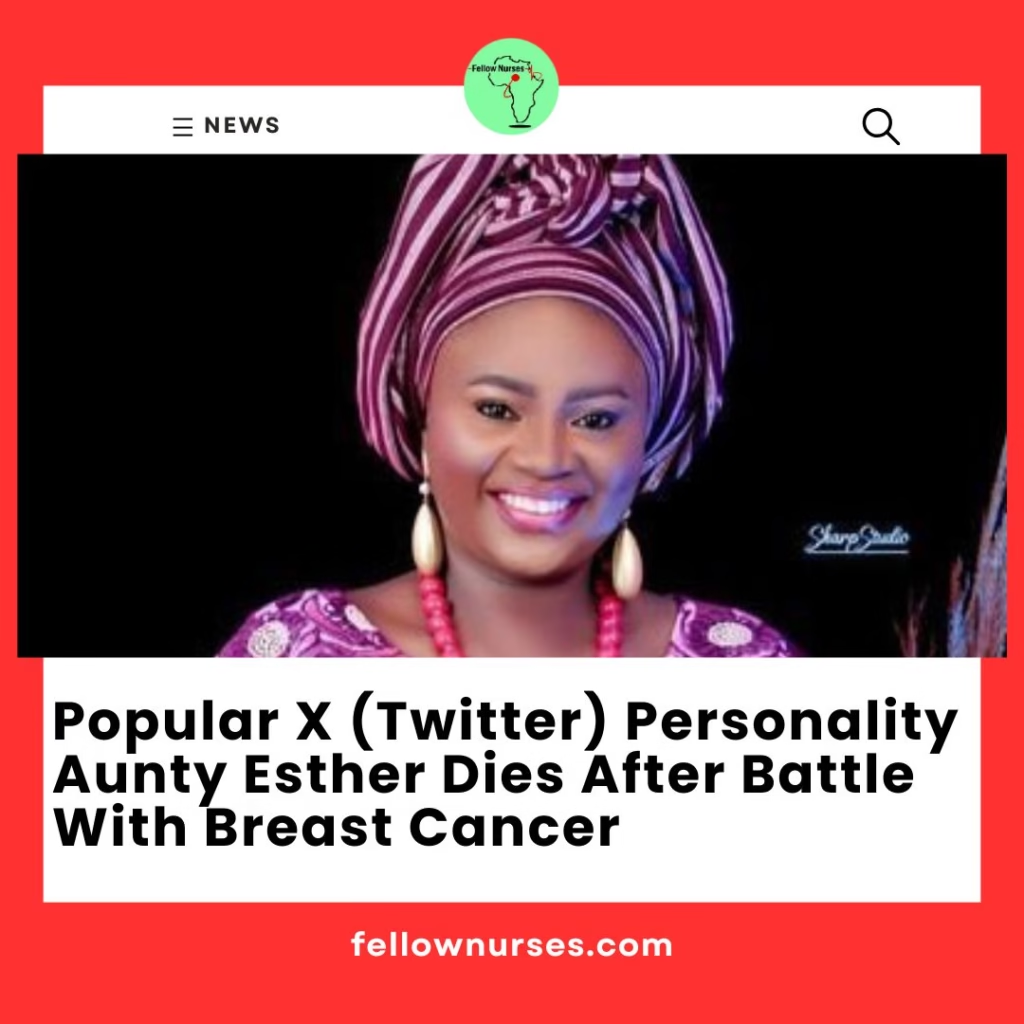
Popular Nigerian X (formerly Twitter) personality Aunty Esther has died after a prolonged battle with breast cancer, sparking widespread mourning and renewed conversations around faith, health-seeking behaviour, and medical decision-making in Nigeria.
Her death, which occurred on December 27, 2025, was confirmed by close associates and caregivers.
News of her passing spread rapidly across social media, with tributes pouring in from followers, healthcare professionals, and public figures who had closely followed her health journey.
A Public Health Story That Moved a Nation
Aunty Esther’s illness became a national conversation after Nigerians raised over ₦30 million to support her treatment. Beyond financial support, her case drew sustained engagement from medical professionals and health advocates who used her platform to raise awareness about cancer care.
Among those who publicly rallied around her was Ilaje Sultan, popularly known as Bearded Dr Shina, alongside other doctors who provided medical insights, advocacy, and public education during her treatment journey.
Her case highlighted the power of online communities in mobilising health support — but it also exposed deeper challenges within healthcare delivery and patient engagement.
Faith and Medical Decision-Making
Aunty Esther’s story attracted significant public attention following her decision to decline a blood transfusion on religious grounds. The choice generated intense debate online and offline, bringing to the fore the complex role faith and belief systems play in health-seeking behaviour.
Health experts note that medical decisions are often influenced not only by clinical advice, but also by religious convictions, cultural values, trust in healthcare systems, and personal beliefs, realities that healthcare providers must increasingly engage with.
Reactions and Reflections
Following her death, social media timelines shifted from debate to reflection, with many Nigerians expressing grief and calling for more culturally sensitive health education and stronger collaboration between healthcare systems and faith communities.
Public health advocates say Aunty Esther’s case underscores the need for patient-centred care models that recognise the social, emotional, and spiritual factors influencing medical choices.
A Life Remembered
Known for her engaging online presence and relatability, Aunty Esther was more than a social media personality to her followers. Her openness during illness humanised cancer care and made difficult conversations unavoidable.
As tributes continue to pour in, her story remains a poignant reminder that healthcare is not just clinical, it is deeply human.
🕊️ May her soul rest in peace.

Kehinde Oluwatosin is one of the many editors here at Fellow Nurses Africa and fellownurses.com.
He is a registered nurse with a Master of Science degree in healthcare leadership from the University of Hull, United Kingdom. Kehinde is passionate about advancing the nursing profession across Africa. As Co-Founder of Fellow Nurses Africa, he plays a key role in shaping editorial direction, ensuring our content educates, informs, and empowers nurses continent-wide.
With expertise in leadership, patient flow, and healthcare operations, Kehinde brings valuable insights to nursing news, career development, and policy discussions. He is committed to amplifying the voice of African nurses and driving positive change in the profession.