CDC Extends Artemether-Lumefantrine Malaria Treatment From Three to Five Days: What Nurses Need to Know
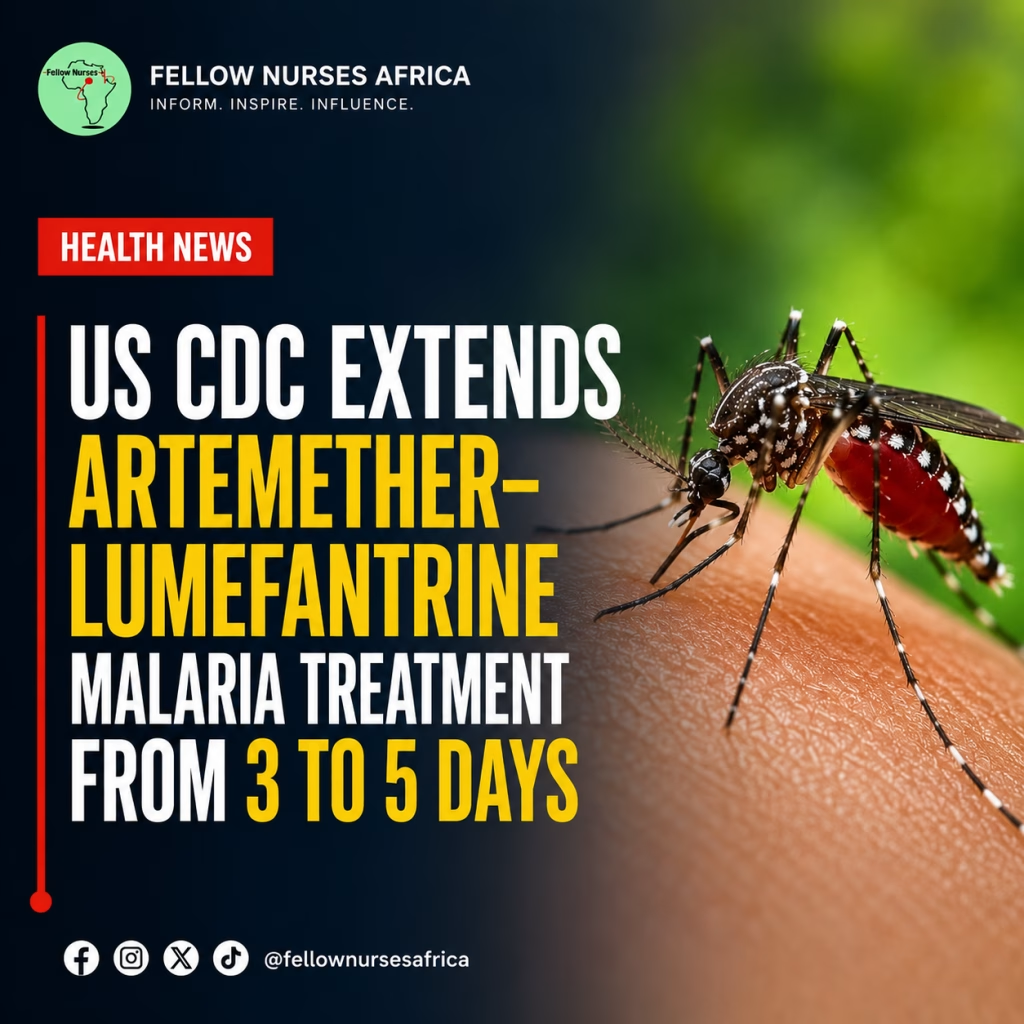
The US Centers for Disease Control and Prevention (CDC) has updated its malaria treatment guidance, recommending a five-day course of artemether-lumefantrine (AL) for uncomplicated Plasmodium falciparum malaria in the United States.
JOIN FNA NEWS 👇
The change is significant because artemether-lumefantrine is one of the most widely used medicines for malaria globally. It also comes as health authorities continue to monitor growing concerns about antimalarial drug resistance and treatment failure.
The CDC’s updated regimen involves treatment twice daily over five days, extending the duration of therapy beyond the traditional three-day course used in many malaria treatment settings.
The change, however, should not be interpreted as a global directive to extend AL treatment from three days to five.
The World Health Organization’s current malaria guidelines continue to recommend artemether-lumefantrine twice daily for three days. This means healthcare professionals in Nigeria and other countries should continue to follow their applicable national treatment guidelines and approved clinical protocols rather than independently changing treatment based on the CDC announcement.
Why the change matters
The development highlights the growing challenge of antimalarial resistance.
Artemisinin-based combination therapies remain central to the treatment of uncomplicated P. falciparum malaria. However, malaria parasites can develop reduced susceptibility to antimalarial medicines, potentially increasing the risk of delayed parasite clearance and treatment failure.
WHO has confirmed artemisinin partial resistance in several African countries, including Eritrea, Rwanda, Uganda and Tanzania.
For nurses, the development is a reminder that malaria treatment cannot be separated from evidence-based practice. Nurses are often responsible for administering antimalarial medicines, educating patients about adherence and recognising when a patient may not be responding as expected.
A patient who returns with persistent or recurrent symptoms after treatment should therefore receive appropriate reassessment rather than automatically being assumed to have another episode of malaria.
The CDC update also demonstrates why healthcare professionals need to distinguish between international developments and changes to their own clinical practice.
JOIN FNA NEWS 👇
A headline stating that the CDC has extended malaria treatment to five days does not mean every malaria patient should now receive five days of artemether-lumefantrine.
Instead, it should prompt healthcare professionals to ask what the latest evidence says and whether their own national or institutional guidelines have changed.
As malaria continues to affect millions of people across Africa, protecting the effectiveness of existing antimalarial medicines remains a major public health priority.
For nurses, the message is clear: stay informed, follow approved treatment guidelines and let evidence, not viral headlines, guide clinical practice.
Clinical note: The CDC’s five-day artemether-lumefantrine recommendation applies to its US malaria treatment guidance. It should not be interpreted as a universal recommendation for Nigeria or other malaria-endemic countries.
JOIN FNA NEWS 👇
Fellow Nurses Africa is the independent voice of African nursing, we educate, inform and support nurses across Africa

Durowoju Abisola is a registered nurse, nurse writer and On-Air Correspondent at Fellow Nurses Africa (FNA), passionate about nursing leadership, health education and advocacy.
Through journalism, storytelling and content creation, she amplifies important conversations around nursing, healthcare and the experiences of nurses in Nigeria. She is committed to using her voice and professional knowledge to educate the public, challenge misconceptions and inspire the next generation of nurses.