
Fellow Nurses Africa | Lagos, Nigeria | 12 January, 2026
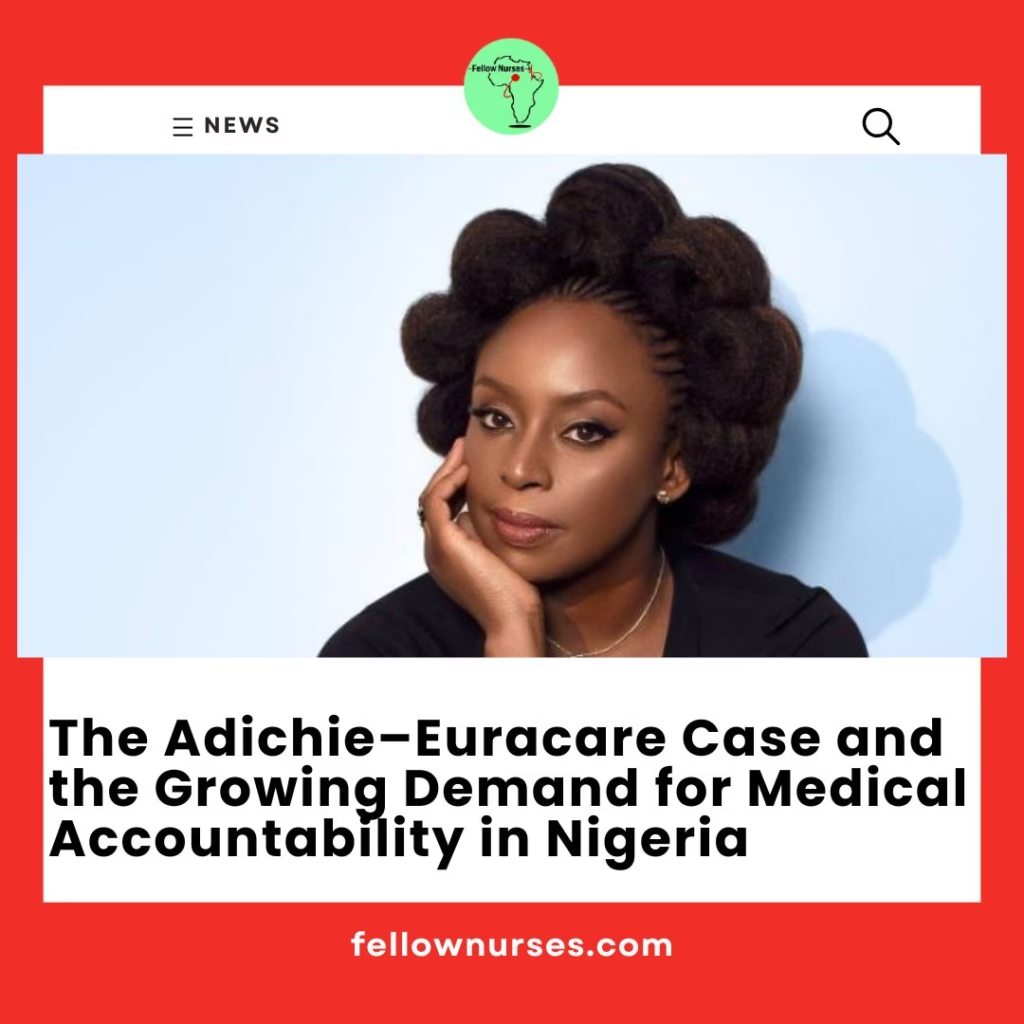
The tragic death of the young son of award-winning author Chimamanda Ngozi Adichie has sparked national and international attention, not only because of who the family is, but because it raises deeper questions about how Nigerian hospitals handle adverse medical outcomes.
At the center of the controversy is Euracare Multispecialist Hospital in Lagos, which has confirmed that the child died while receiving care at its facility. The family has since issued a formal legal notice alleging medical negligence, while the hospital has denied the claim and announced that an internal clinical governance investigation is underway.
As investigations begin, public conversation has largely focused on assigning blame. Yet healthcare experts and patient-safety advocates argue that the more urgent issue is not speculation but process.
Beyond Celebrity, Why This Case Feels Personal to Many Nigerians
Online reactions suggest that public concern extends far beyond the Adichie family. Many Nigerians say the case has reopened anxieties about patient safety, transparency, and trust in both private and public healthcare facilities.
For parents in particular, the story resonates deeply not as a celebrity headline, but as a reminder of how vulnerable patients can be when outcomes suddenly go wrong.
This reaction is not unique to Nigeria. Globally, healthcare systems grapple with how to respond when unexpected deaths occur. The difference often lies in how institutions communicate, investigate, and learn from such events.
Medical Negligence vs Medical Complications: Why Investigations Matter
One of the most misunderstood aspects of the ongoing debate is the meaning of medical negligence.
Healthcare professionals note that: ▪️ A poor or tragic outcome does not automatically mean negligence ▪️ Negligence is determined by whether there was a breach of duty of care that directly caused harm ▪️ This can only be established through thorough, independent investigation not social media conclusions
This distinction explains why regulatory bodies and courts rely on clinical records, expert reviews, and timelines rather than public opinion.
Internal Reviews and the Question of Independent Oversight
Euracare Hospital has stated that it is conducting an internal clinical governance review. While this is standard practice in many healthcare systems, critics argue that internal investigations alone are no longer sufficient to reassure the public.
Patient-rights advocates say confidence is stronger when: ▪️ Independent regulators are involved ▪️ Findings are clearly communicated ▪️ Corrective actions, if needed, are publicly outlined
In response to growing concern, Lagos State health authorities have confirmed that an external probe is also being conducted. The outcome of this investigation is expected to play a key role in determining next steps.
Beyond legal outcomes, families affected by medical loss often emphasize one thing: communication.
Timely access to medical records, Clear explanations of what is known and what is still being reviewed and Compassionate communication, even when answers are incomplete
Silence or delayed engagement whether legally advised or not can deepen mistrust and prolong grief.
A Defining Moment for Healthcare Accountability
Regardless of the investigation’s findings, analysts believe this case could become a turning point for conversations around medical accountability in Nigeria.
It presents an opportunity to: ▪️ Strengthen patient-safety systems ▪️ Clarify standards for adverse-event reporting ▪️ Improve transparency in private healthcare governance
As authorities complete their reviews, many Nigerians are watching closely not only for justice for one family, but for reassurance that healthcare institutions are prepared to learn, improve, and protect patients when outcomes do not go as planned.
We are sending our prayers to this mother and the family of the child, even as investigations are ongoing.

Kehinde Oluwatosin is one of the many editors here at Fellow Nurses Africa and fellownurses.com.
He is a registered nurse with a Master of Science degree in healthcare leadership from the University of Hull, United Kingdom. Kehinde is passionate about advancing the nursing profession across Africa. As Co-Founder of Fellow Nurses Africa, he plays a key role in shaping editorial direction, ensuring our content educates, informs, and empowers nurses continent-wide.
With expertise in leadership, patient flow, and healthcare operations, Kehinde brings valuable insights to nursing news, career development, and policy discussions. He is committed to amplifying the voice of African nurses and driving positive change in the profession.